What Is Cross Training? Plus, How to Build Your Routine with Peloton
Specializing in the type of workout you love the most is great, but versatility breeds even better results.
By Alyssa Sparacino•
What Is Cross Training?
The Benefits of Cross Training
The Best Cross Training Workouts to Try
Tips for Effective Cross Training
How Much Cross Training Should You Do Per Week?
How to Build a Cross Training Routine with Peloton
You may have heard the saying that to become a better runner, you have to, well, run. While it’s true that practice helps you progress, it leaves out some important context: that to become a smarter, faster, safer runner you also have to do more than just run. That’s where cross training comes in. Versatility in fitness is the key to injury prevention, efficient movement, and ultimately the edge over the competition, even if that’s just against yourself.
The same can be said for whatever your workout of choice may be, so whether you’re a cyclist, runner, or rower, choosing workouts that compliment your go-to method has long-term benefits you can’t ignore. Here’s everything you need to know about cross training including why it’s so important and how to find the right cross training workouts for you.
What Is Cross Training?
Simply put, “cross training is mixing in various kinds of workouts to improve on your main training focus,” says Peloton instructor Adrian Williams. It’s more than just mixing it up to prevent burnout or boredom—cross training proves that doing complementary workouts can boost your performance in other modalities too.
For example, a sprinter needs strong quads and glutes to help power every stride and quicken their pace, so strength training that targets those muscle groups can help. A cyclist may find that all that riding makes for tight hip flexors and a rounded upper back—yoga and Pilates can help with that. The advantages are endless; you just need to identify your potential deficits to target the cross training workout that best suits your needs.
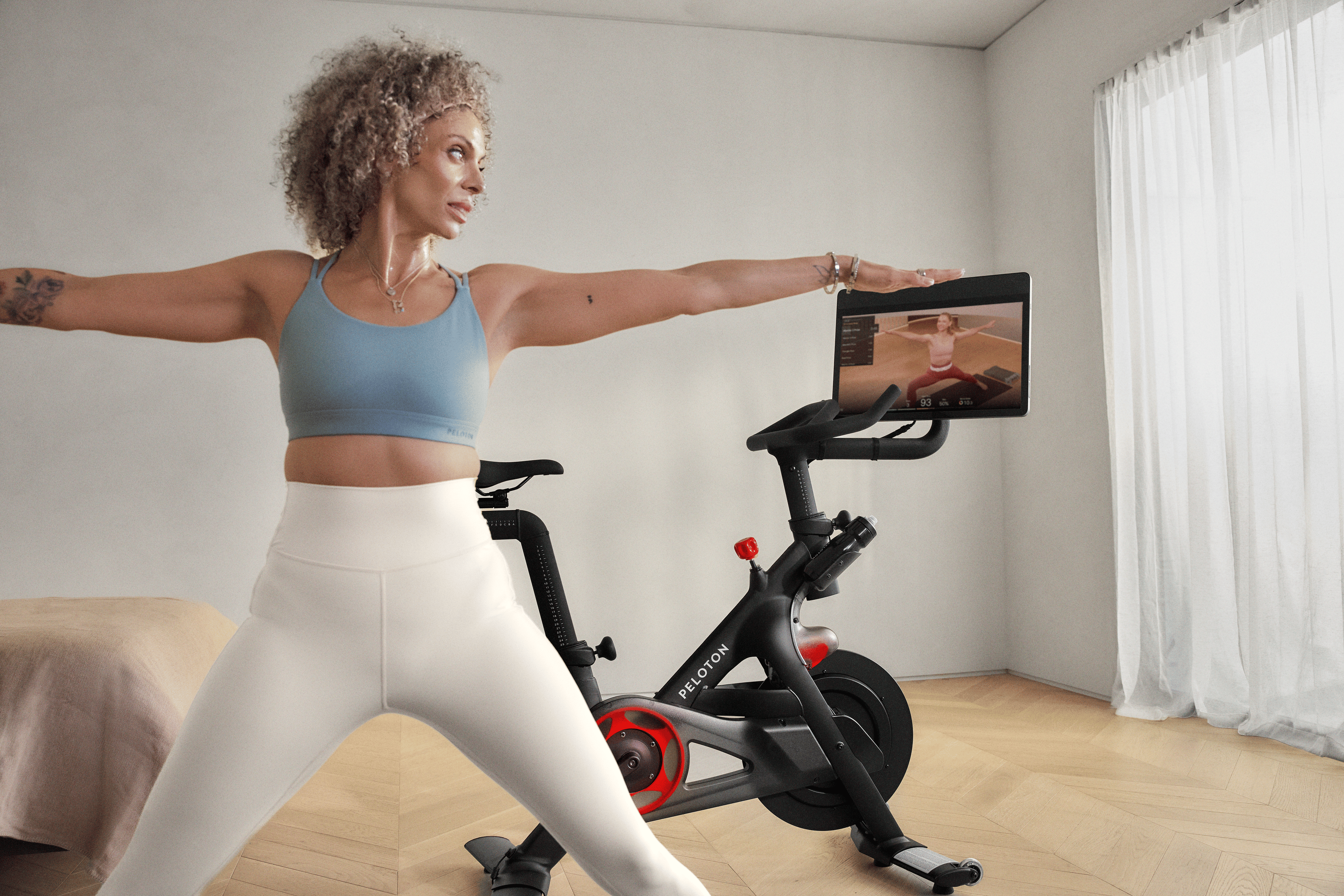
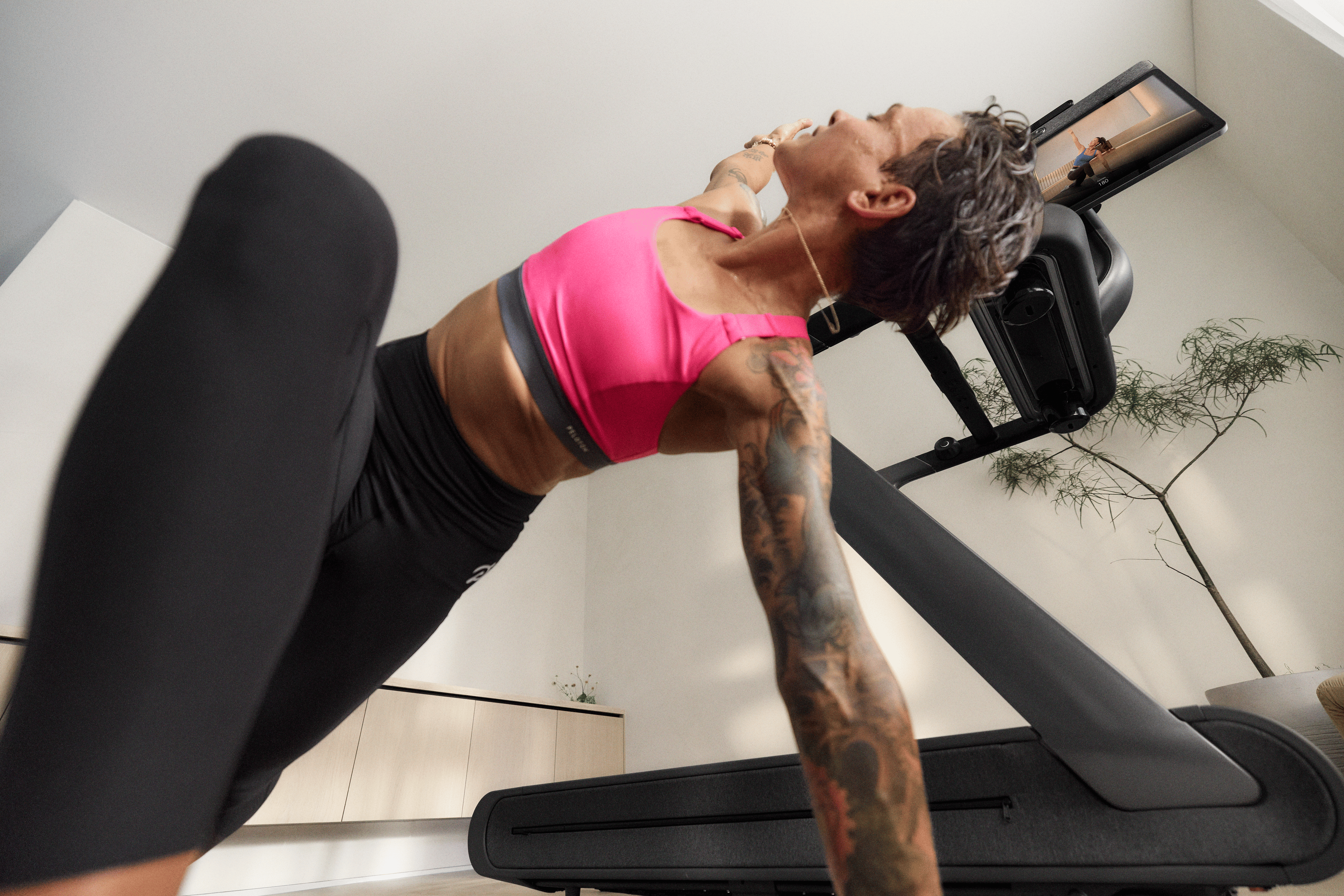
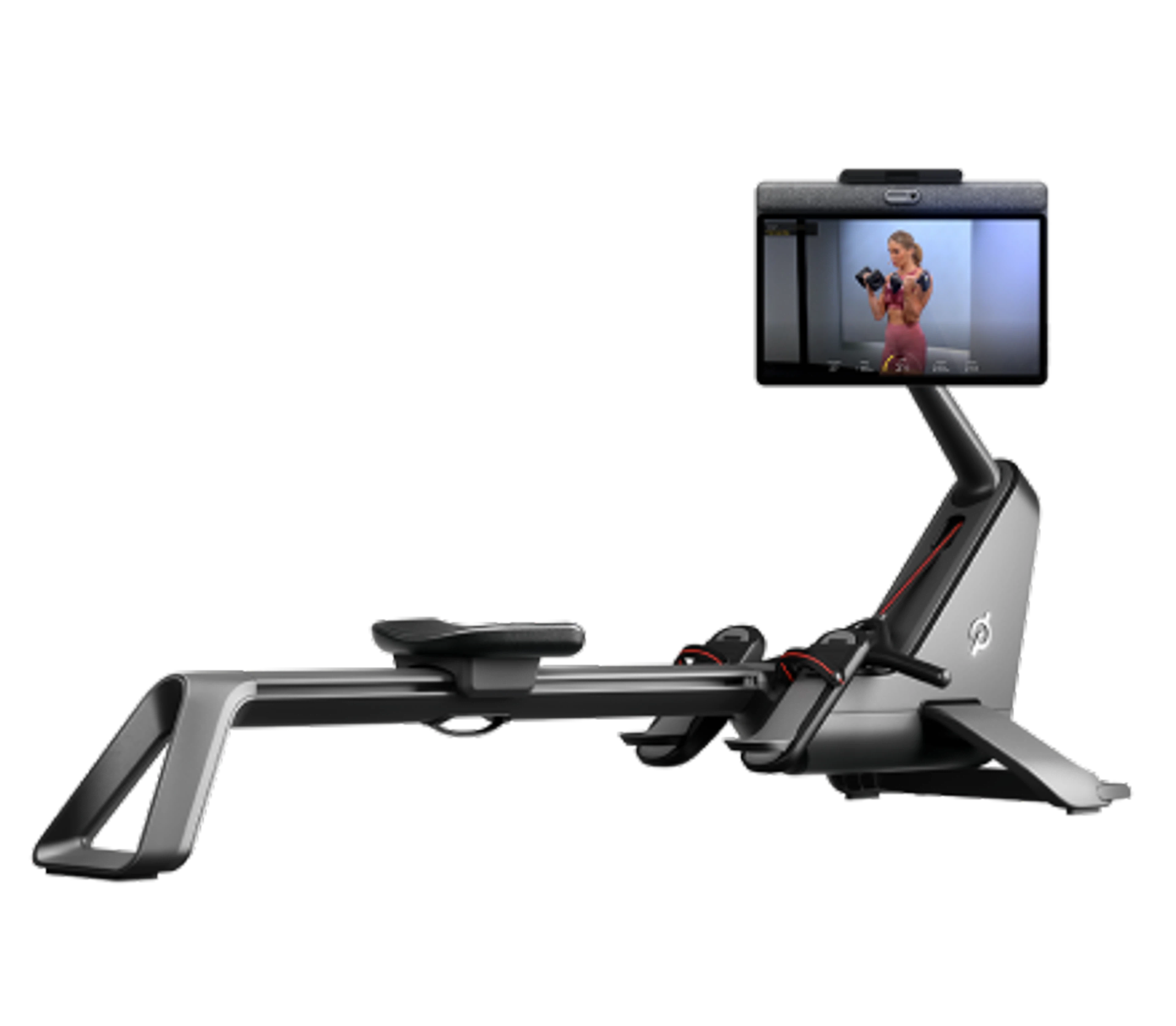
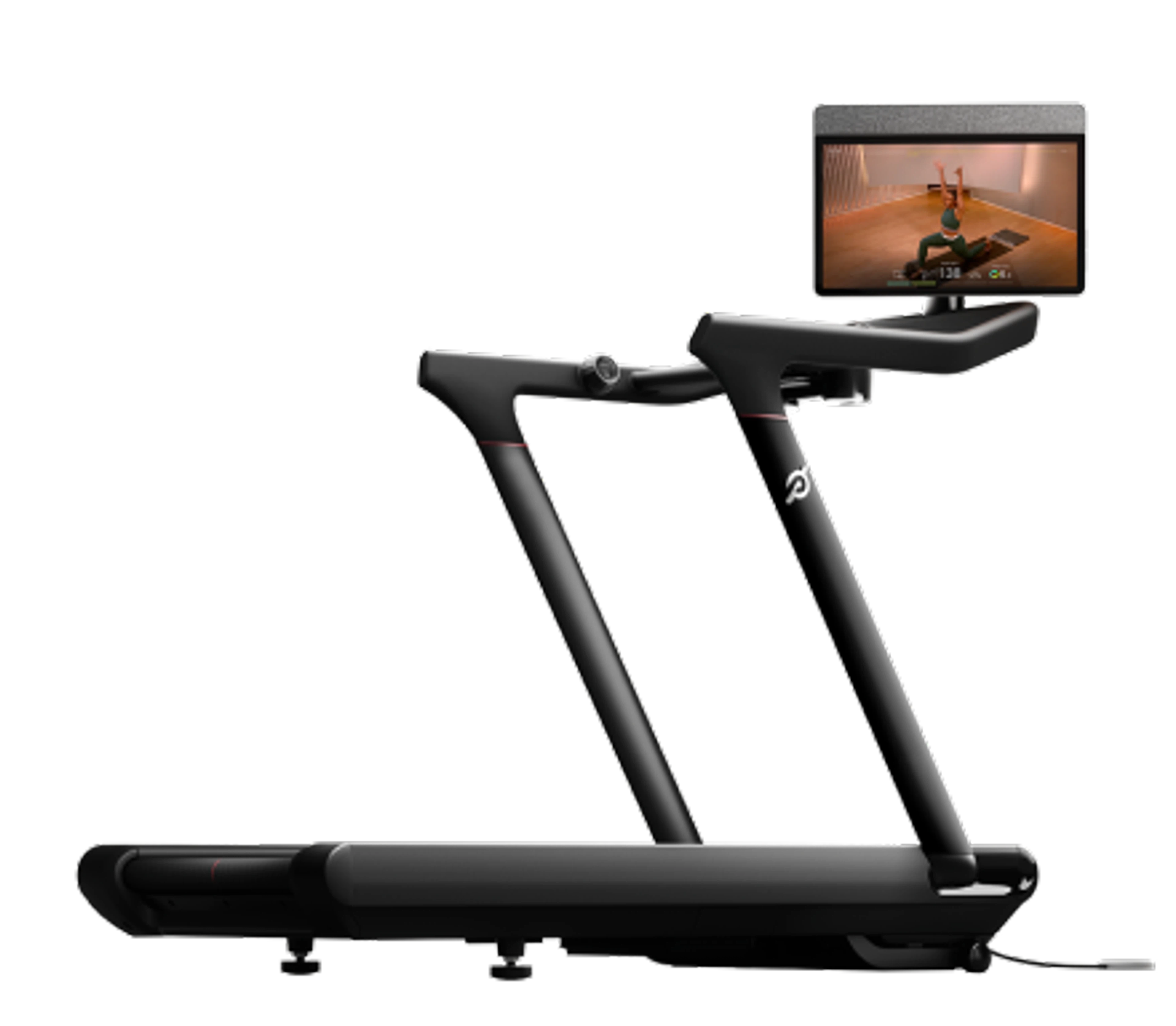
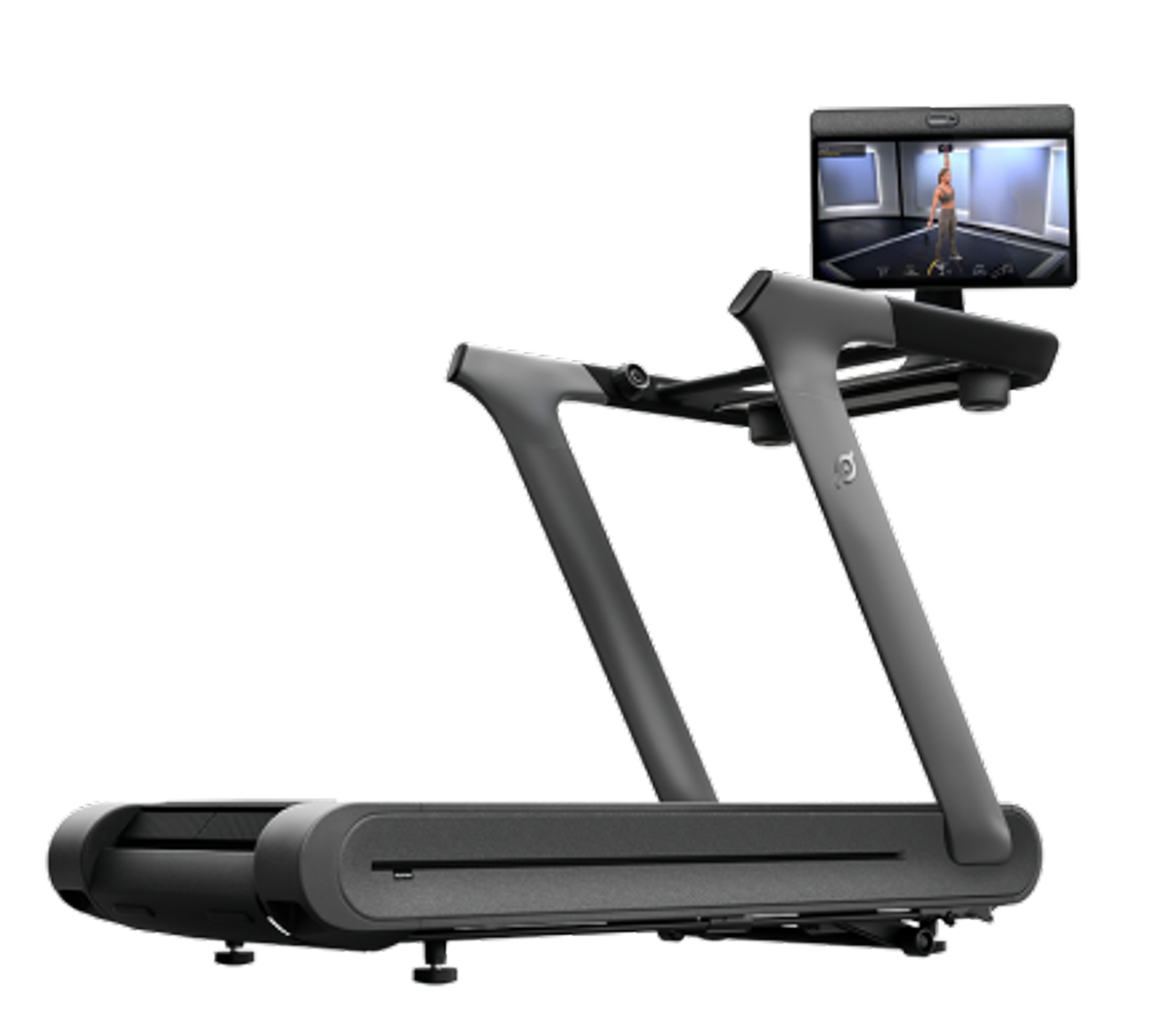
This is also where the Peloton Cross Training Series gets its name: all the devices in the series have swivel screens so you can easily hop off the bike, treadmill, or rower and cross-train with strength work, yoga, mobility, Pilates, and more.
Cross Training vs. Strength Training
“Cross training mixes different workout styles for all-around fitness,” Adrian explains, whereas “strength training focuses specifically on building muscle and strength.”
In other words, strength training can be a type of cross training, but not all cross training includes strength work. Cross training can also include aerobic training for cardiovascular fitness (think: cycling, swimming, rowing), practices such as yoga and mobility, or other sports or outdoor activities.

Peloton Bikes
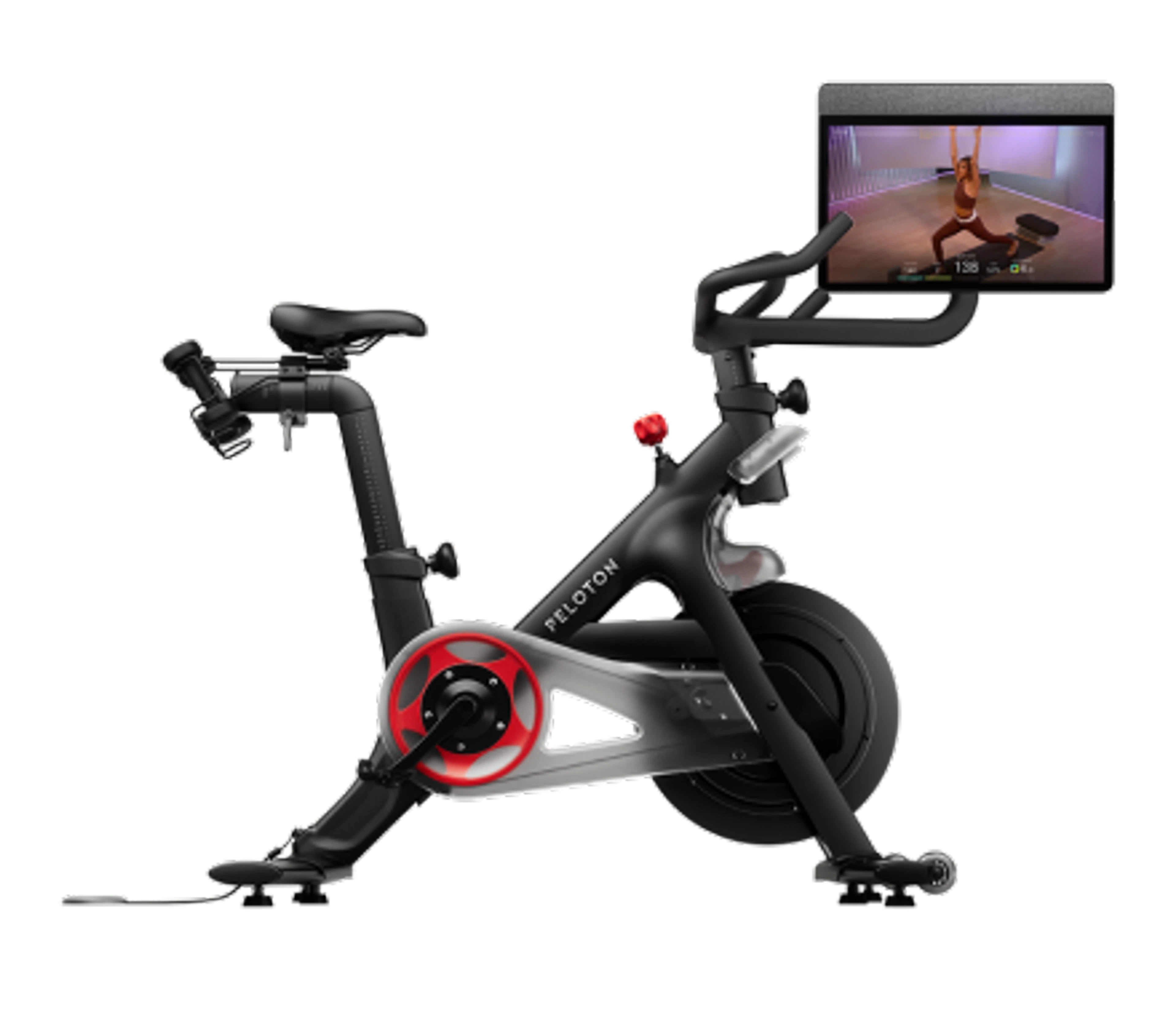
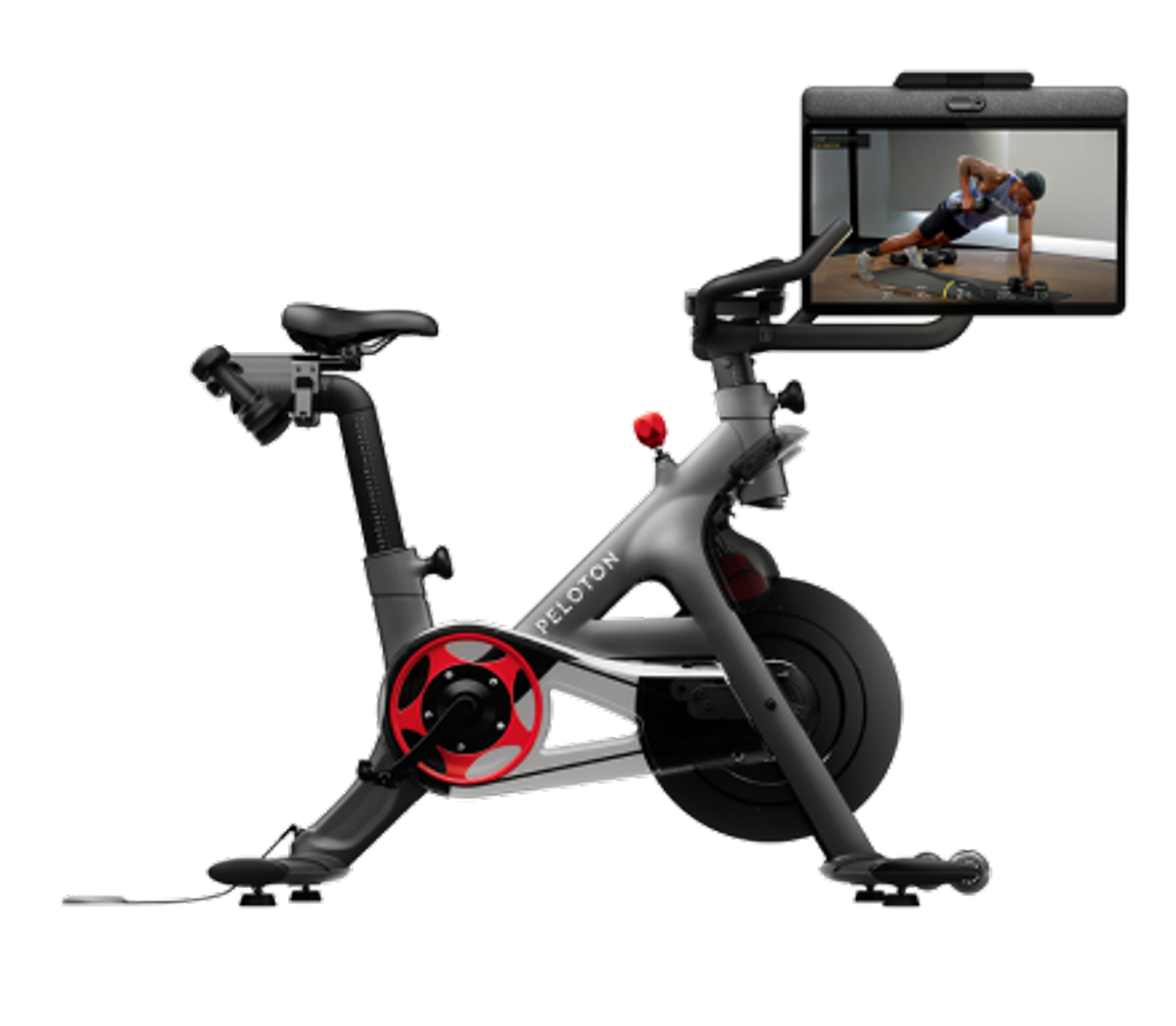
Two bikes. One Peloton experience.
The Benefits of Cross Training
Put simply, cross training allows you to create a well-rounded workout routine. “It makes your body more balanced, strong, and injury resistant,” Adrian says. “It improves weak areas, boosts mobility and conditioning, and helps you perform better in everything you do.”
And one of the best things about cross training is that anyone can benefit from it—from swimmers to powerlifters and everyone in between. Here are a few notable benefits of incorporating cross training into your routine.
Builds Balanced Strength
If you only ever do one style of workout, you’re going to develop the muscles involved in that specific movement—but not much else. For example, running and cycling place a heavy emphasis on your quadriceps (the large muscle group in the front of your thigh), therefore routinely strengthening the anterior (or front) of your lower-body. But that may leave your posterior chain (the back of your body, and notably your hamstrings) weakened. Cross training helps even out this muscle imbalance to not just improve strength overall but also help prevent injuries from overcompensation of tight, overworked muscles.
Make Fitness More Fun
Cross training also means you can add some spontaneity, diversity, and fun into your training—a huge bonus for those who are starting to get bored or hit the dreaded plateau with their results. Joyful activities or sports such as hiking, surfing, or playing basketball that feel more like an adventure than a prescriptive workout also count as cross training.
Prevents Overuse Injuries
Creating a well-rounded workout routine will help prevent excess repetitive stress on certain areas of the body. If you consistently train the same way over days, weeks, months, and even years, you open yourself up to the possibility of overusing certain muscles, tendons, or joints. This can potentially lead to overuse injuries or muscle weakness or imbalance, according to the American Academy of Orthopaedic Surgeons. Including a variety of workout types or movements in your routine can help prevent these issues.
Improves Overall Fitness
Incorporating different training styles allows you to build different skills. Strength training, for example, can help you develop muscular strength and power. Yoga can help increase your balance and mobility. Pilates can help you build deep core strength and stability. Cardio activities such as cycling, running, or rowing can maintain and improve your cardiovascular fitness while giving the muscles involved in your main sport a break. The options are endless, and cross training allows you to bring the best of all these benefits together for an overall healthier you.
The Best Cross Training Workouts to Try
Ready to get started? Here are some great ways to incorporate cross training into your workout routine no matter what your primary activity of choice may be.
Strength Training
Adrian recommends strength training for athletes, including runners and cyclists, as well as “everyday athletes” training for general health and wellbeing. As a baseline for general health and wellness, both the Centers for Disease Control and Prevention (CDC) and the World Health Organization (WHO) recommend adults incorporate at least two days of muscle-strengthening activities in their fitness routine. This can include gentler options like bodyweight workouts or Pilates, hybrid workouts that include both cardio and strength (such as bootcamp or HIIT with dumbbells), or dedicated weight lifting sessions.
No matter your activity of choice, adding strength training can benefit your performance. For example, developing the strength in your legs can increase your power and explosiveness, which can improve your rowing stroke.
High-Intensity Interval Training (HIIT)
Athletes who need agility to perform at their best—think: pickleball and soccer—could benefit from HIIT workouts to help develop better aerobic fitness, power, and changes in speed while continuing to maintain endurance for a game. HIIT can be done on a bike, treadmill, rower, or even on the mat with or without weights.
Even if you aren’t an athlete, HIIT offers benefits for heart health, aerobic fitness, resiliency, and muscle mass that can in turn benefit other styles of training as well as your ability to conquer daily life.
Cycling
Adrian recommends cycling for runners, who will benefit greatly from utilizing cycling as an alternative cardio exercise. Cycling helps build and maintain endurance while also limiting the high, repetitive impact from running that can be hard on the joints like knees and hips. Lifters can also take advantage of a cardio workout like cycling for conditioning and recovery, Adrian says.
Yoga
Yoga is universally beneficial as a way to train flexibility and mobility and boost recovery. Stability, core strength, and a connected, resilient mindset are all added bonuses of yoga that can help make you a more well-rounded athlete.
Rowing
Swimmers might enjoy taking a rowing class as the sport engages similar muscle groups used in many swimming strokes, particularly in the legs and back. It’s a great solution for when you need to take your training out of the water. Rowing can also help runners develop power and prevent injury, Adrian says.
Pilates
The main aim of Pilates is to build core strength and stability, which can benefit you in just about any activity you tackle. A strong core is shown to improve balance, agility, posture, and breath control, and help reduce injury risk, which can help you run, ride, row, or otherwise perform with more precision and control.


Tips for Effective Cross Training
Start Slow
“I would say to start simple,” Adrian says. “Keep it short at first and then start to change duration and intensity. It should complement your main training, not take away from it.” Begin by adding one or two cross training days to your typical weekly workout routine, being mindful to choose something that’s varied from your current workout style. For instance, if you run, start with strength training your lower body once per week.
Get Specific
Think about what your primary sport or workout is, or if you have a particular training style you’d like to become better at, then tailor your cross training to the muscles or skills needed in those activities. For example, if you’d like to get stronger for rowing, focus on strength training that develops the muscles needed for a strong drive, including pulling exercises like deadlifts and rows. Or, if you find cycling is leaving your hips feeling tight, try adding a hip mobility class to your weekly routine.
Don’t Forget Easy Days
“Cross training can be hard on the body at first, so make sure to mix in some easy days with hard ones so you don’t burn out,” Adrian says. It’s a good idea to let muscle groups rest for 48 hours between strenuous workouts, and remember to take at least one rest or active recovery day per week.
Find Inspiration In Your Friends
A fun way to incorporate cross training is to join friends or family that participate in a different style of training than you. Not only will this make things more fun for you both, but having a workout buddy makes trying something new less intimidating.
Don’t Feel Boxed In
Cross training allows for variation in your routine. Don’t be afraid to try something new, even if the main reason to do so isn’t for performance but just for fun. Try a dance cardio class, a treadmill hike, or a music-based yoga class—you just might find your next favorite workout.
Related Articles

Bike
Want to Boost Your Performance On the Bike? Here’s Why You Should Try Cross Training

Strength Train
Why Proper Form Is So Important for Strength Training—and How to Get It Right

Sculpt
8 Rotational Core Exercises That Train You to Move Dynamically Through Life

Run
A Complete Guide to Cross Training for Runners
How Much Cross Training Should You Do Per Week?
It depends on what your main sport or activity of choice is, and what your training plan looks like. Most people can benefit from two to three cross training sessions per week in order to balance out their routine. In general, “I would include a mix of strength, mobility, and cardio for overall balance,” Adrian says.
The CDC and WHO both recommend adults get at least 150 minutes of moderate-intensity exercise, 75 minutes of vigorous-intensity exercise, or an equivalent combo of the two every week, plus at least two days of muscle strengthening activities per week. Experts also recommend taking at least one rest or active recovery day per week. It’s helpful to keep these guidelines in mind when planning out your workout routine, and understanding where cross training may fit in.
For example, if you’re running three or four times a week, you may then choose to take one rest day and do strength training on another two days. Stretching, mobility, or yoga may fit in as a workout warm-up or cooldown on any of your workout days, or as an active recovery practice.
How to Build a Cross Training Routine with Peloton
Cross training opens your workout routine to infinite possibilities, but it can be difficult to decide where to go from here or how to fit it all into your schedule. Peloton can help you get your cross training done with instructor-led classes that fit into many of the workout categories above—but it can also help take the guesswork out of putting it all together.
On the Peloton App, you can build a personalized workout plan based on your fitness goal and workout preferences (such as how many days per week you’d like to exercise and which types of workouts you want to focus on), plus make changes to it as needed every week. For help with cross training for a certain workout type, look for special classes, programs, and collections dedicated specifically to cross training, such as the Yoga for Cross Training Collection and Strength for Runners or Strength for Cyclists programs. There are even specialized cross training programs for sports like golf, skiing, soccer, and tennis or pickleball.
When you’re working out on the Peloton Cross Training Series, cross training is easier than ever before. The Cross Training bikes, treadmills, and rower all have swivel screens so you can easily hop off your equipment and cross-train with other Peloton classes, including strength, yoga, mobility, and Pilates. On the Cross Training Bike+, Tread+, Row+ powered by Peloton IQ, you’ll also get access to next-level strength training features that help you get the most out of your resistance training, including form feedback, rep tracking, custom workouts, and more.
To give the new Peloton Cross Training Series a try, visit your local Peloton store or retail location, or book a virtual appointment with an expert.
This content is for informational and educational purposes only and does not constitute individualized advice. It is not intended to replace professional medical evaluation, diagnosis, or treatment. Seek the advice of your physician for questions you may have regarding your health or a medical condition. If you are having a medical emergency, call your physician or 911 immediately.

Our Products
Level up your inbox.
Subscribe for a weekly dose of fitness, plus the latest promos, launches, and events.
By providing your email address, you agree to receive marketing communications from Peloton.
For more about how we use your information, see our Privacy Policy.