Why Proper Form Is So Important for Strength Training—and How to Get It Right
Refining your technique can help you build confidence and lift safely.
By Julia Sullivan•
Why Proper Exercise Form Is So Important
The Main Components of Exercise Form
How Peloton Can Help You Master Proper Form
Strength training can help you build functional strength, a stronger metabolism, improved bone health, better posture, a healthier heart, and boosted mental health. But that’s with a caveat: To reap the most of those benefits, you need to make sure you’re doing each exercise in the correct way.
When you execute an exercise improperly, not only do you miss out (sometimes entirely) on the benefits mentioned above, but you can also risk serious issues. “Proper form while working out allows your body to maximize the benefits of your exercise while minimizing injury risk,” explains Peloton instructor Katie Wang.
While there are some universal elements to proper form among all strength training exercises, there are nuances to be aware of before picking up a barbell or a set of dumbbells, experts say. Here’s exactly what proper form entails, why it matters so much for your health (and gains!), and how to set yourself up for success—including ways Peloton can help.
Why Proper Exercise Form Is So Important
Remember showing up to PE in elementary school ready to run miles, do cartwheels, and fly through the monkey bars in jeans and flip-flops without giving those actions a second thought? They were simpler times, yes—and chances are, you were able to do those things with seemingly effortless, good-enough form because your youthful body was primed and ready to go at all times.
Fast-forward a few decades, and while you can absolutely still do those things, you may need to put some thought behind the movement first. That’s because our adult bodies have gotten a bit tighter and less malleable with age, which makes paying conscious attention to your form essential for preventing injury, says John Gallucci Jr., a doctor of physical therapy, certified athletic trainer, and CEO of JAG Physical Therapy.
“Proper form is the foundation of safe and effective movement,” Gallucci explains. “Whether you’re lifting weights, running, swimming, or practicing yoga, good form ensures that the correct muscles are being activated and that stress is distributed evenly throughout the body.”
Moving with proper form “reduces the risk of injury, improves performance, and helps you get the most out of every workout,” Gallucci continues, whereas “improper form can lead to many issues in the future, such as muscular imbalances or injury.”
And while proper form is essential among all types of exercise, the stakes are especially high when it comes to weight training. A 2023 study from Cureus found that weightlifting with bad technique can put considerable strain on joints, ligaments, and muscles, increasing your risk of injury.

Peloton App
Access thousands of classes with no equipment needed.
The Main Components of Exercise Form
Even if you know that proper exercise form is important, you may not be aware of everything good form entails—body positioning is just one part of it. As Gallucci and Katie outline, there are many components to good form, which include movement speed (or tempo), how you engage your core, your breathing patterns, and more.
Posture and Position
Posture “sets the tone” for any exercise you’re about to do, Gallucci says: “A neutral, well-aligned posture allows your muscles and joints to work efficiently and protects the spine from unnecessary stress. Poor posture can alter muscle patterns, leading to potential injury.” A 2025 study from Orthopedic Reviews, for example, found that athletes with bad postural control had a significantly higher risk of injury, as it impacted joint and neuromuscular stability and reduced their capacity to absorb impact.
During strength training, posture mainly refers to the alignment of your spine, shoulders, and pelvis. Position refers to where your joints sit in space relative to each other—for example, if your knees are over your ankles during a squat, or how far you hinge forward at the hips.
The ideal posture and position for a move will depend on your individual anatomy and specific exercise. However, it can help to think of a full-body exercise, like a deadlift, to illustrate their importance. When doing a deadlift, maintaining a strong, neutral spine is crucial to successfully lifting the weight and preventing injury. Allowing your spine or shoulders to round forward or letting your back arch can change muscle engagement and also put you at risk for hurting your back, for example.
Core Engagement
Engaging your core is a non-negotiable part of good form and proper posture. As Gallucci explains, “neglecting core engagement can lead to poor spinal alignment and instability.” A strong, engaged core stabilizes the spine and pelvis, allowing you to efficiently transfer power between your lower and upper body (key for exercises like kettlebell swings and snatches), and ensure all the right non-core muscles activate to perform the move.
Core engagement also goes hand-in-hand with maintaining a neutral spine (the natural, optimal alignment of your spine) during movement, Katie explains. Proper activation of your deep core muscles acts like an internal brace, locking your spine and pelvis into neutral and preventing unwanted movement that could lead to weakness or injury. “Having a neutral spine will help with proper movement in any exercise, thus targeting the correct muscles to perform that movement,” Katie explains.
Think back to that deadlift example. With your core engaged and spine in a neutral position, you can more safely and efficiently hinge at your hips, which helps take strain off your lower back and prevent spinal injuries.
Foot Placement
How you position your feet when performing an exercise has a major impact on the way you move. “Proper foot placement can significantly improve body mechanics and reduce your risk of injury,” Gallucci explains. “Your feet are your foundation. Proper foot placement provides balance, stability, and optimal force transfer during movement.”
Let’s use the deadlift example again. Per Gallucci, if your feet aren’t spaced apart or angled properly, when you try to hoist the load into the air, it can come up unevenly. “This may cause knee tracking problems, hip misalignment, or lower back strains,” he warns. “For example, feet that are too narrow can limit depth and mobility, while feet that turn out excessively may stress the knee and ankle joints.”
Joint Movements
When you’re lifting a weight, whether through a biceps curl or the aforementioned deadlift, there’s a preferred path of motion in which the load moves. That’s dictated primarily by your joints, Gallucci says. “When movement strays from that path, it increases stress on soft tissues and ligaments.”
Let’s dive into a deadlift to illustrate. In order to execute the move properly, your knee and hip joints need to extend and work together to get the weight off the floor. If you extend one at the wrong time, however (say, you rush to extend your knees before your hips), your hips will shoot up and your lower back might have to work unnecessarily hard to hoist the weight, potentially leading to injury.
“Repeated improper motion can lead to overuse injuries, inflammation, or instability,” Gallucci stresses. “Proper joint alignment during movement ensures that muscles, tendons, and ligaments share the load evenly.”
Breathing
Though you might not think of breathing—a task you likely do without a thought—as something you need to consider during strength training, it’s a major part of having good form. “Breathing is often overlooked, but it plays an important role in performance and safety,” Gallucci says. “Controlled and proper breathing stabilizes the core and helps regulate intra-abdominal pressure, which supports the spine during heavy lifts.”
Back to our favorite deadlift example: When you take a deep breath in, you’re naturally helping to stabilize your core. So by timing your breath to ensure that core-stabilizing inhale precedes you lifting the weight into the air, you can help avoid spinal stress.
Deadlifts aside, though, Gallucci says there’s a pretty straightforward rule to follow when it comes to breathing during strength training: “It’s important to make a habit of exhaling during the exertion phase and inhaling during the return phase of a movement.”
Plus, studies show controlled breathing can also help regulate the flow of oxygen throughout your body so your muscles can use it to fuel their activity.
Tempo
Moving at an appropriate speed is also part of maintaining proper form. Going far too quickly—or slowly—can alter the effect the exercise is having on your body, potentially reducing its effectiveness or increasing the risk of injury.
That said, there’s no single perfect tempo. How fast you should move will depend on the exercise you’re doing, the amount of weight you’re lifting, and the goal of this portion of your workout. (A workout finisher, for example, might ask you to speed through bodyweight squats as quickly as possible, while a workout warm-up might have you do the same but slowly to wake up your muscles and range of motion.)
In general, “a good tempo for general strength training is at least 2 to 3 seconds for the eccentric, or lowering phase, of your lift, and 1 to 2 seconds for the concentric phase, or lifting phase, of your lift,” Katie suggests.
Slowing things down allows you to focus on your form, so you’re able to actively recruit the proper muscles for that movement, reduce the risk of injury, and even increase muscular strength and growth, Katie says. “Increasing time under tension, or the amount of time your muscle is under load, in an exercise helps you focus on the mind-to-muscle connection and allows you to get all of the benefits of maintaining proper form.”
Try a Strength Basics Class on the Peloton App


How Peloton Can Help You Master Proper Form
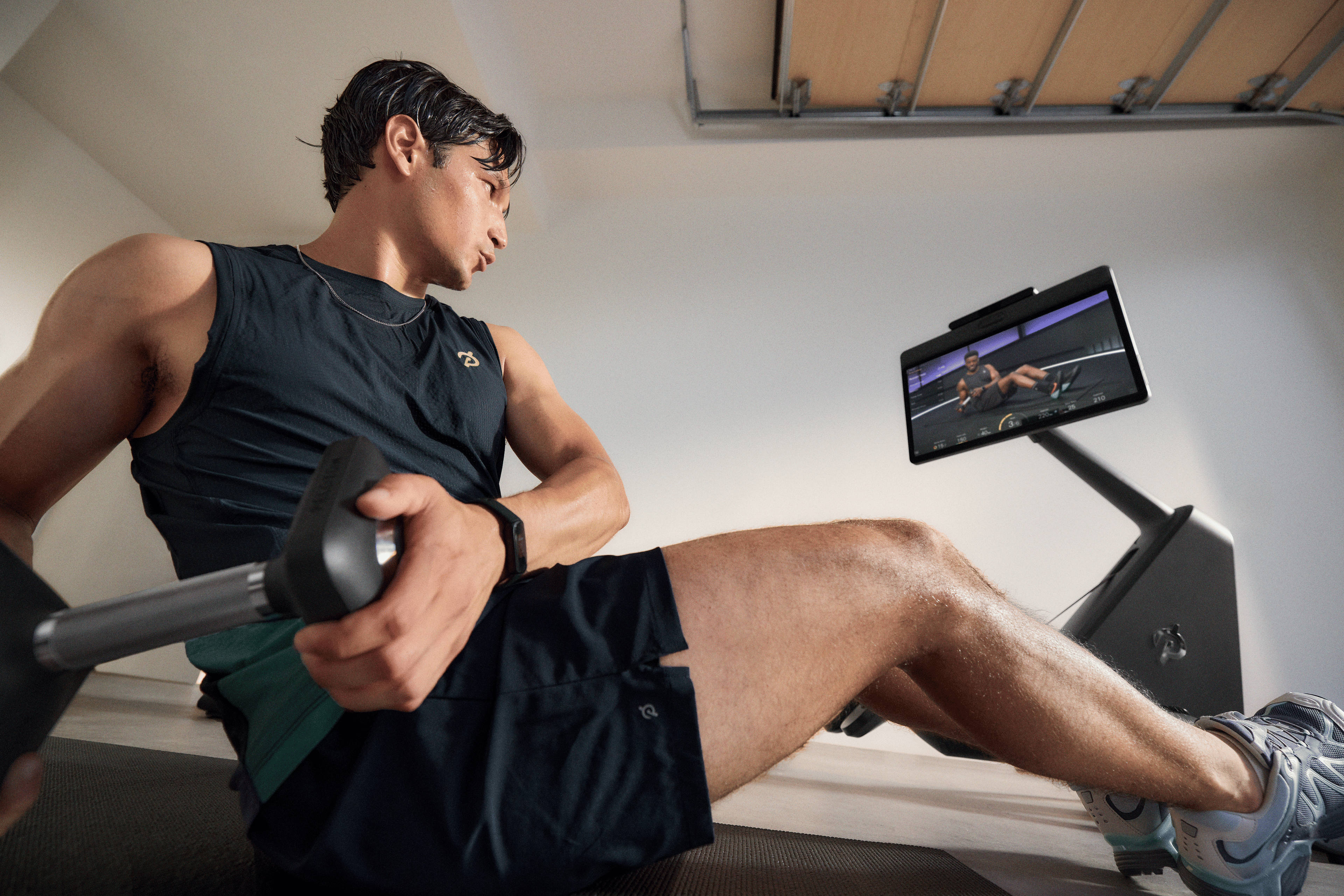
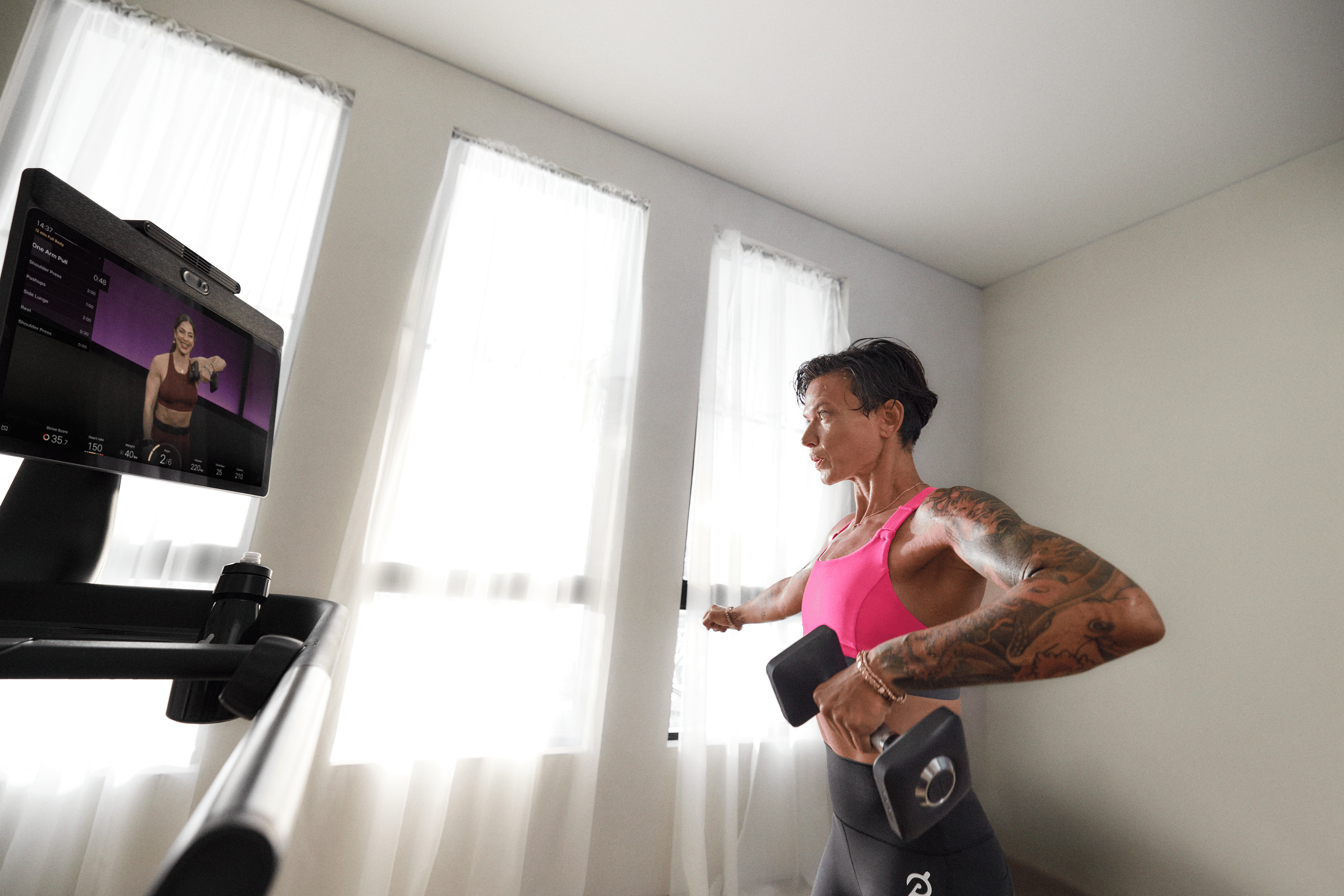
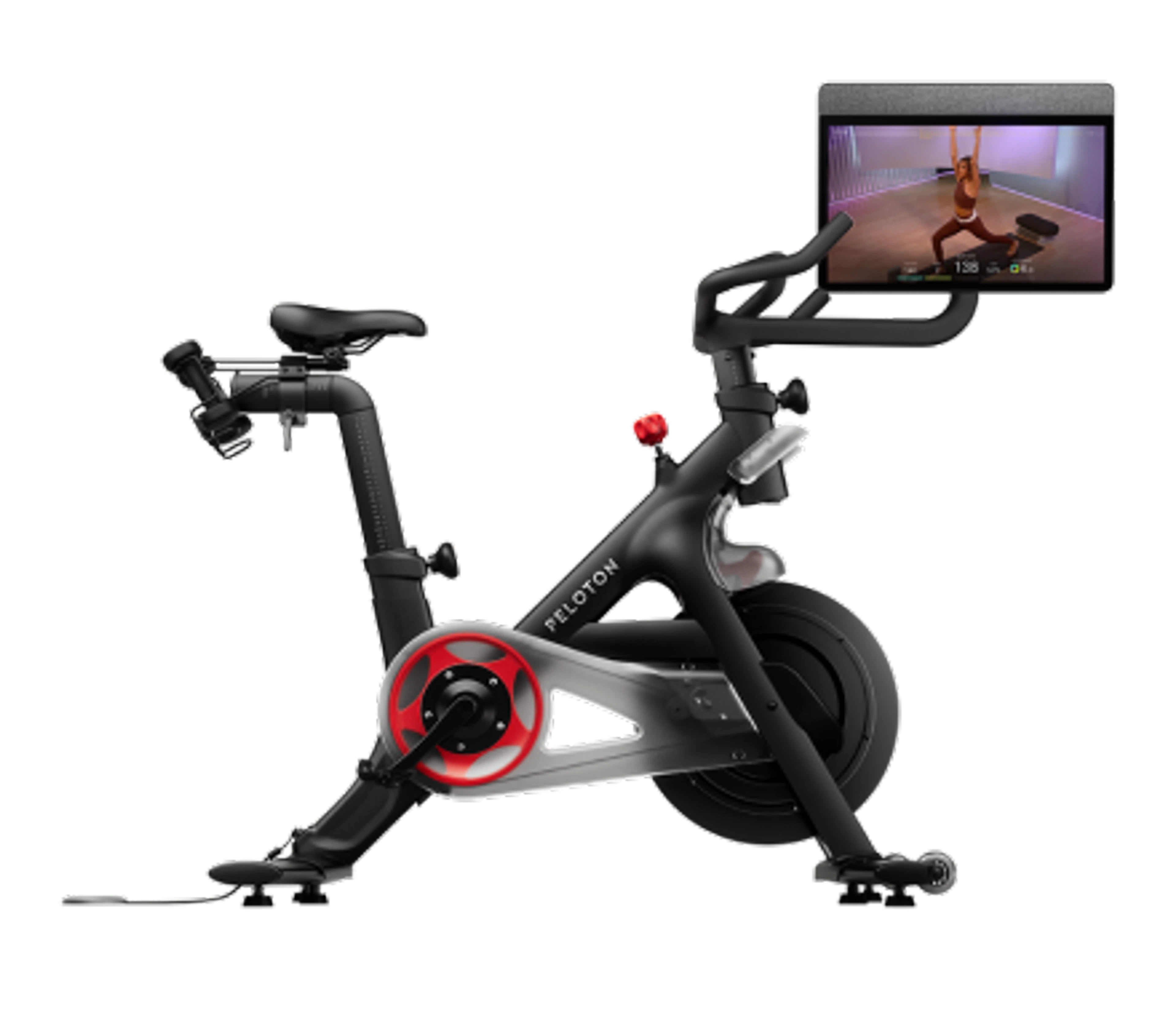
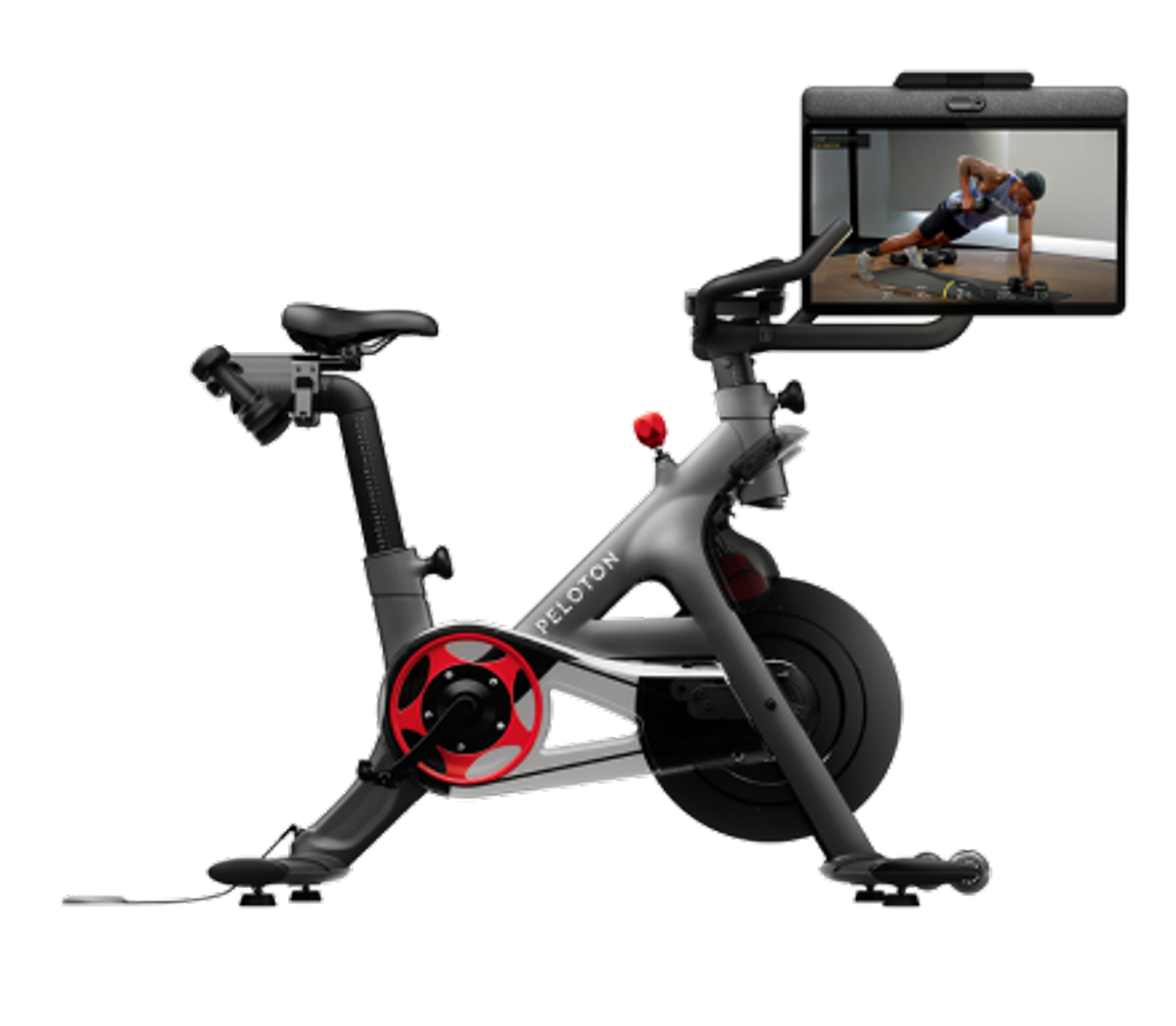
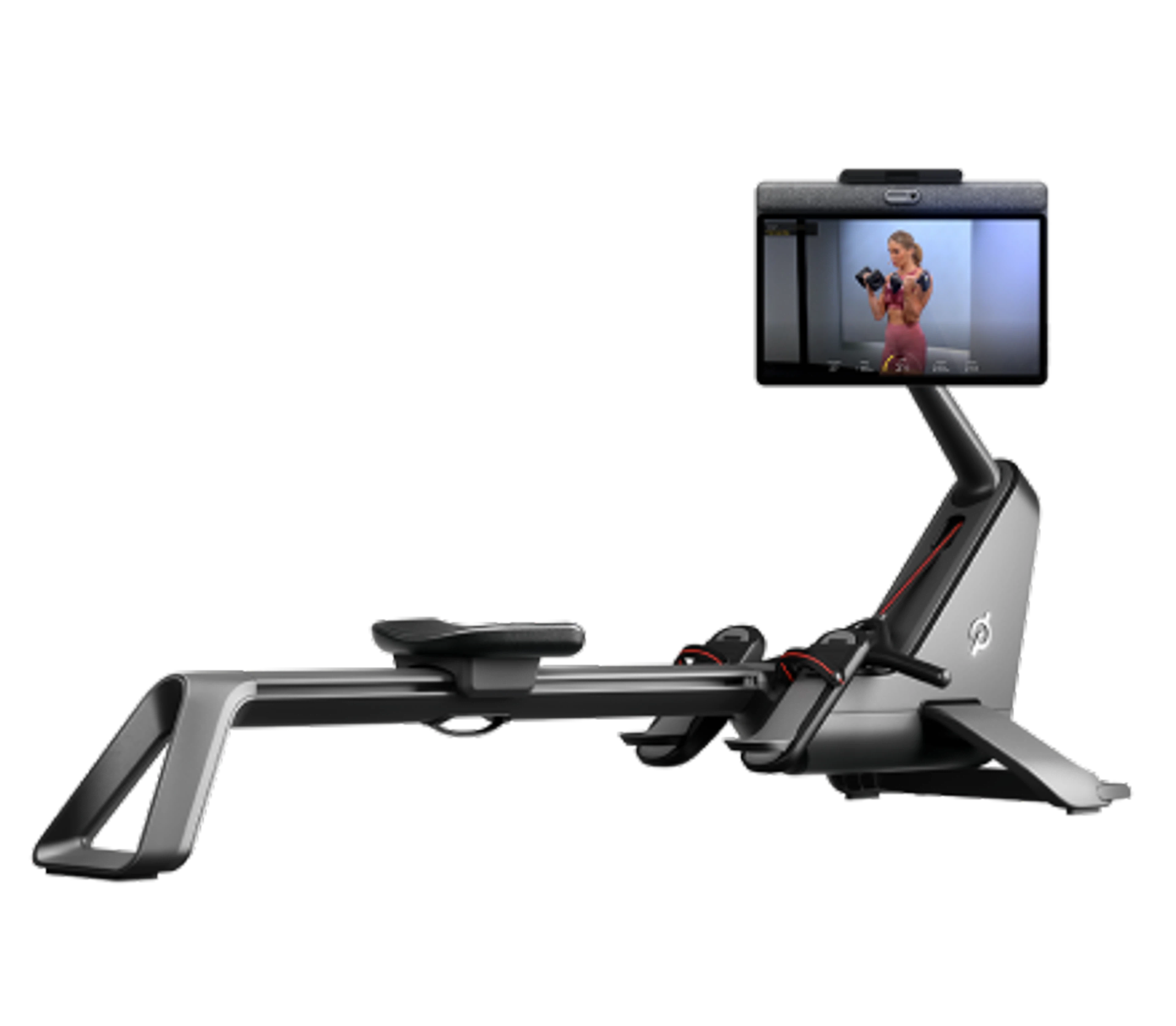
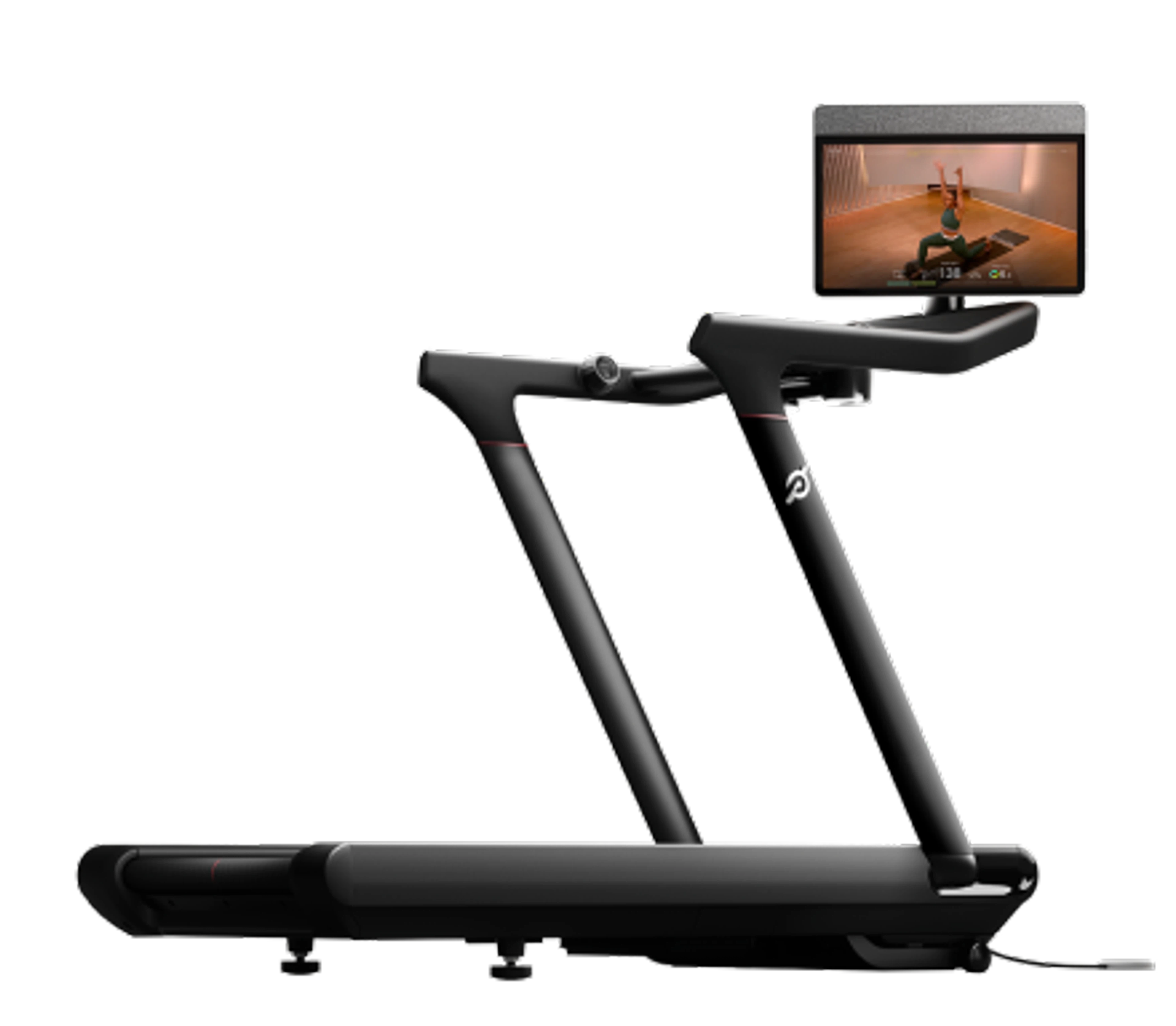
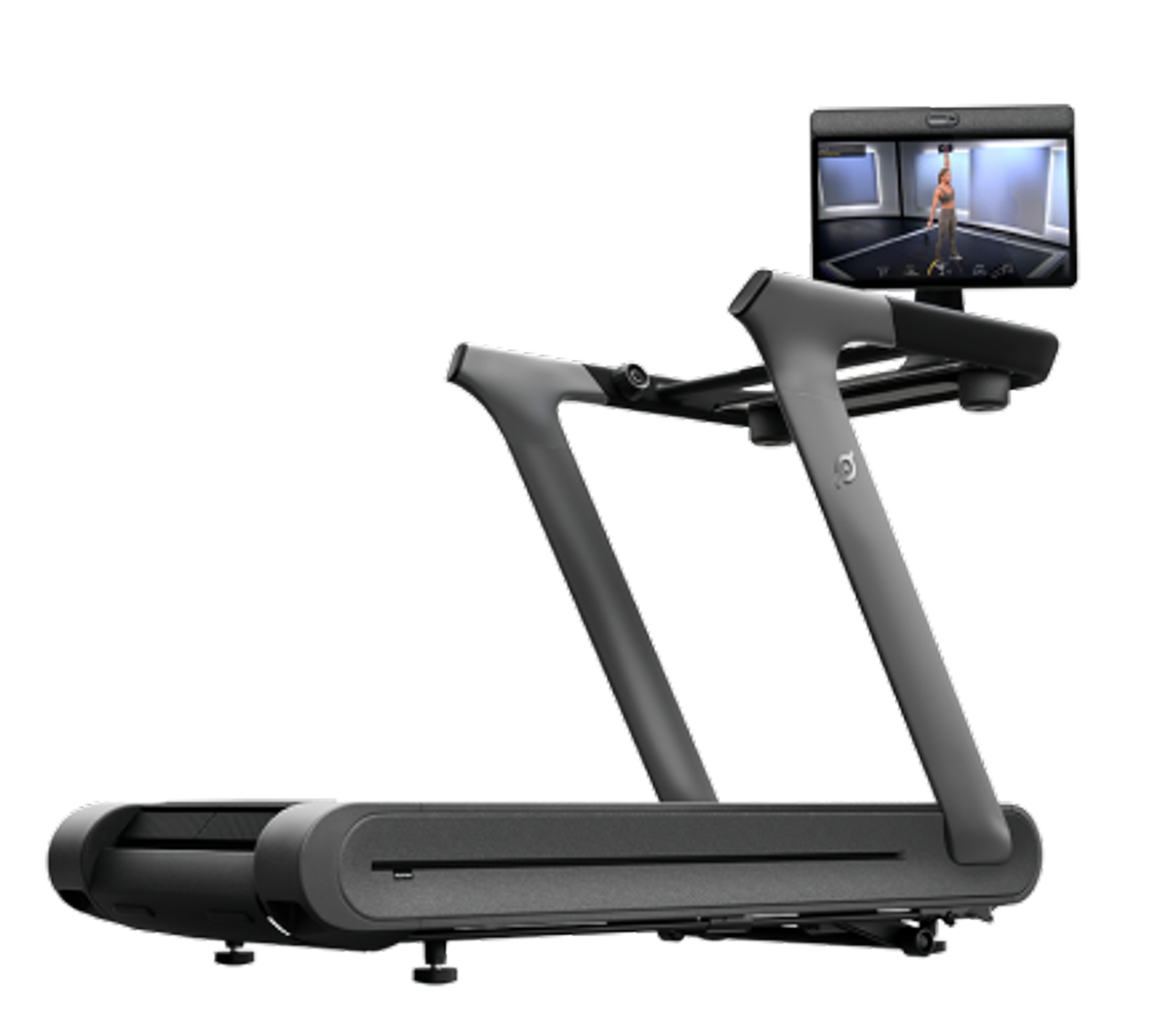
As you can see, there’s a lot to think about when you’re working out and trying to execute every movement with proper form. The Peloton Cross Training Series Bike+, Tread+, and Row+ powered by Peloton IQ can ease some of that mental load by providing feedback on your form in real time while you move.
During any movement-tracking-enabled strength workout, Peloton IQ can identify your form mistakes and offer corrections. It may cue you to go lower, lift your chest, or maintain a neutral spine, for example, and even suggest reducing the amount of weight you’re lifting if you’re consistently missing reps or compromising your form.
And whether or not you have the Cross Training Bike+, Tread+, or Row+, when you take an instructor-led strength class on a Peloton device or the Peloton App, you’ll always get their expert form coaching and insight while you sweat. For help mastering specific moves, check out the Strength Basics class collection, which breaks down the proper form for individual exercises like push-ups, rows, and lunges.
To give the new Peloton Cross Training Series a try, visit your local Peloton store or retail location, or book a virtual appointment with an expert.
This content is for informational and educational purposes only and does not constitute individualized advice. It is not intended to replace professional medical evaluation, diagnosis, or treatment. Seek the advice of your physician for questions you may have regarding your health or a medical condition. If you are having a medical emergency, call your physician or 911 immediately.

Our Products
Level up your inbox.
Subscribe for a weekly dose of fitness, plus the latest promos, launches, and events.
By providing your email address, you agree to receive marketing communications from Peloton.
For more about how we use your information, see our Privacy Policy.