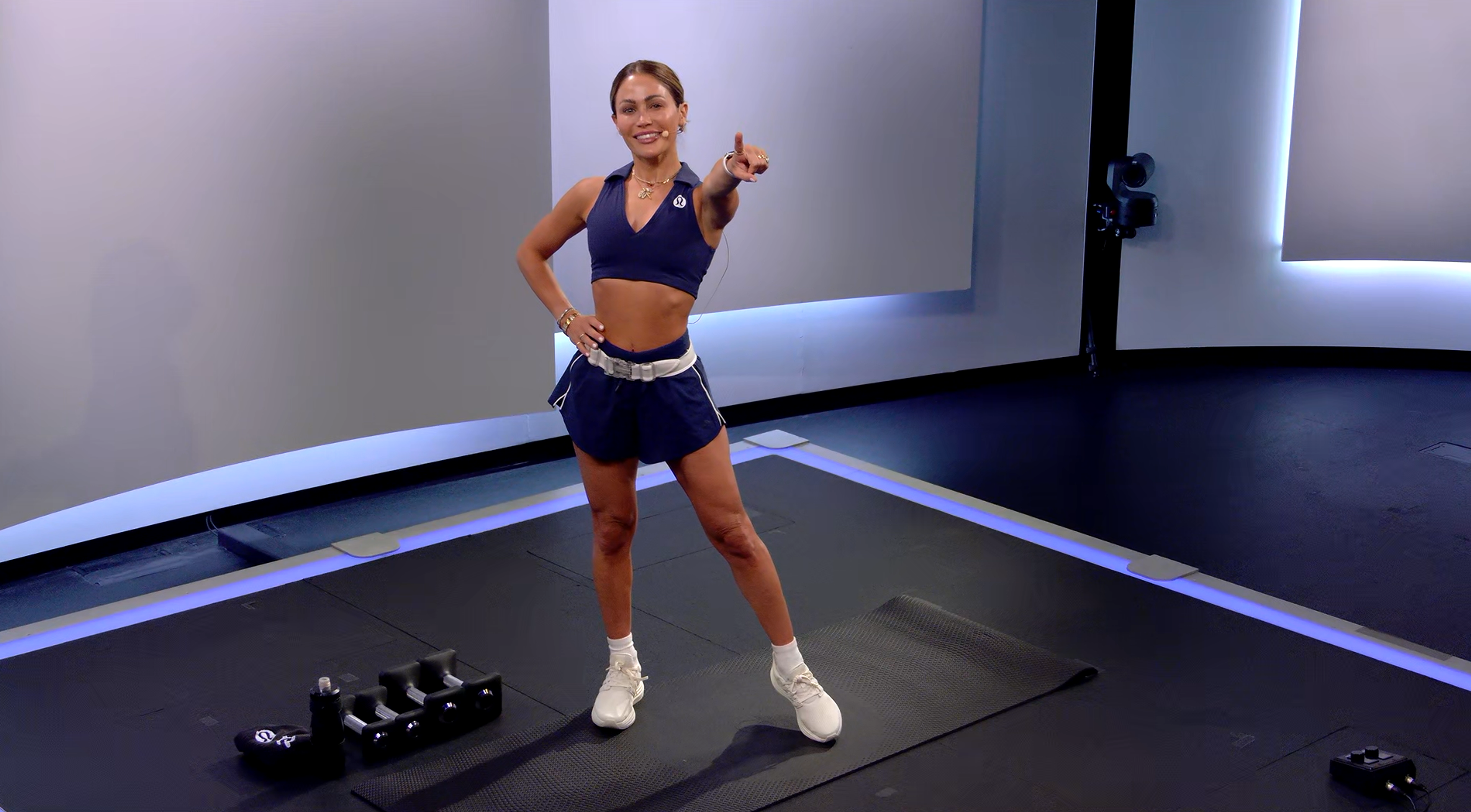
10 Strength Exercises That’ll Power Up Your Pickleball Game
Hit the court feeling stronger, speedier, and ready to smash.
By Amber Sayer•
Which Muscles Are Worked by Pickleball?
Why Strength Training Is Important for Pickleball
10 Strength Training Exercises for Pickleball
Other Training to Improve Your Pickleball Game
Pickleball is one of the fastest-growing sports in the United States. From former collegiate tennis players to baby boomers and everyone in between, the sport draws a diverse group to the courts, largely due to the fact that it’s relatively easy to learn, loads of fun, and a great form of exercise. Plus, with the explosion of popularity, the game is also becoming increasingly accessible, with more pickleball clubs and courts cropping up in even fairly small towns across the country.
However, while people of all ages and fitness levels can generally find a way to start playing pickleball, the sport isn’t without its risks. Indeed, like nearly every sport, jumping into pickleball games without a good fitness base can increase your risk of injuries.
One of the best ways to head into your next match feeling strong? Adding strength training to your routine. A well-rounded strength routine can not only help prevent common pickleball injuries (such as tennis elbow or knee pain) but also improve your performance, helping you to jump higher, dash faster, and lunge deeper to hit the ball.
“Pickleball is a fun, full body workout that requires you to be strong and mobile,” explains Peloton instructor Olivia Amato. “Strength training is just as important for pickleball as it would be for any other sport! It helps us to keep our joints safe, outlast our opponents, and move with confidence.”
Any balanced strength training routine will offer some of these benefits, but you can optimize your training specifically to prepare you to serve, volley, and dink with ease. Keep reading for recommendations on the best strength training exercises for pickleball players and everything else you need to know about building strength for the sport.
Which Muscles Are Worked by Pickleball?
“Pickleball is a full body workout!” Olivia says. In addition to elevating your heart rate (and thus serving as a good form of cardio exercise), you engage nearly all major muscles of the body during play, including your legs, trunk, and upper body muscles, explains Dave Candy, a board-certified specialist in orthopedic physical therapy and owner of More 4 Life PT.
Here are some examples of the specific muscle groups used during pickleball and how the sport activates them:
Glutes and Legs: The quads, hamstrings, glutes, and calves all engage during quick lateral movements, changes of direction, and lunging, Olivia says. “The muscles that get the greatest workload are the quadriceps, glutes, hamstrings, and calves, as they’re the muscles moving your body around the court,” Candy agrees.
Core: Your core muscles—not just your abs, but all the muscles that wrap around your spine, abdomen, and hips—work hard to aid balance, power, and rotation during pickleball, Olivia says.
Shoulders and Arms: Swinging, serving, and volleying involves many of your arm and shoulder muscles, including the deltoids, rotator cuff, biceps, and triceps, Olivia says.

Peloton App
Access thousands of classes with no equipment needed.
Why Strength Training Is Important for Pickleball
There are many reasons why strength training is important for people who play pickleball, from both a health and performance perspective. “Strength training helps improve your agility and power (i.e., faster lateral moves and more powerful shots), allows for better endurance (not gassing out as fast and being able to stay on top of your game the entire time), increases core stability, and helps with injury prevention,” Olivia explains.
Think of it this way: If you build strength in all the areas listed above and practice movements similar to the ones you’ll be making on the court, your body will be much more prepared for (and ready to excel at) the moves you need to make during a game.
For example, “lower body strength training is important for pickleball to allow for quick, explosive movements to react to the ball,” Candy explains. “Upper body strength training should primarily address the shoulders as well as higher repetition exercise for the forearm muscles to prevent tendinopathy issues such as tennis elbow.”
10 Strength Training Exercises for Pickleball
If you’re looking to optimize your strength training for pickleball, try these 10 exercises below, which will train you to move safely in all directions and to support quick, powerful movements of the upper and lower body. They come recommended by Olivia and Candy, and many can be found in Olivia’s Strength for Tennis & Pickleball classes on the Peloton App.
Candy recommends beginning with two strength training workouts a week for no more than 45 minutes per session. Start with one set of each move below using a weight that you can handle for 10 repetitions with proper form, Candy suggests. Then, as you get stronger, add a second set or third set.

1. Dumbbell Goblet Squat
Squats are key because the ready position in pickleball is essentially a partial squat, Candy explains. There are countless squat variations out there, but the goblet squat is a classic you can perform with just one weight.
Start standing with your feet slightly wider than hip-width distance apart, holding a single dumbbell in both hands in front of your chest.
Inhale and brace your core, then hinge at your hips and bend your knees to lower your body as if sitting back into a chair. Keep your chest lifted and your back straight.
Pause when your thighs are parallel to the floor, or as low as you can comfortably go while maintaining proper form.
Exhale and push through your feet to straighten your legs and return to the starting position. That’s one rep.

2. Forward Lunge
Olivia is a fan of all types of lunges for pickleball strength training. “These help with all the side-to-side and front-to-back movement on the court,” she explains. “It strengthens your legs and hip mobility.”
Start standing with your feet hip-width distance apart, holding a dumbbell in each hand at your sides.
Engage your core and take a large step forward with your right foot.
Lower your hips until both knees are bent at about 90-degree angles. Your front knee should be directly above your ankle, and your back knee should hover just above the floor.
Exhale and push off your right foot to step it backward, next to your left, and return to the starting position.
Repeat on the other side. Continue alternating.

3. Reverse Lunge
Start standing with your feet hip-width distance apart, holding a dumbbell in each hand by your sides.
Keeping your chest tall, engage your core and take a large step backward with your right foot.
Lower your hips until your left thigh is about parallel to the floor and your left knee is positioned over your ankle. Your right knee should be bent at about 90-degree angle, hovering just off the floor.
Push off your right foot to step it forward, next to your left, and return to the starting position.
Repeat on the other side. Continue alternating.

4. Lateral Lunge
Stand with your feet together, holding one dumbbell vertically at your chest with both hands.
Take a big step to your right with your right foot, keeping your left leg straight.
Hinge at your hips, push your hips back, and bend your right knee to lower into a lunge. Keep your chest up and both feet pointing forward.
Push off your right foot to return to the starting position.
Repeat on the other side. Continue alternating.

5. Single-Leg Romanian Deadlift
Candy and Olivia both suggest this posterior chain exercise for pickleball players. “It helps with balance, core stability, ankle stability, and builds glute and hamstring strength,” Olivia explains. If you’re a beginner or have trouble maintaining your balance, try a standard Romanian deadlift or a kickstand variation. “[Both] Romanian deadlifts and single-leg Romanian deadlifts help strengthen the hamstrings to maintain balance while reaching for a ball without stepping over the line,” Candy explains.
Stand on your left leg with a slight bend in the knee, holding a dumbbell in your right hand.
Engage your core and hinge at your hips, keeping your back flat as you lower the weight toward the floor. Allow your right leg to extend straight behind you for balance.
Pause once you feel a stretch in your left hamstring, or when your torso is parallel to the floor.
Exhale and drive through your left foot, squeezing your glutes to lift your torso, lower your right leg, and return to the starting position. That’s one rep.

6. Plank Shoulder Tap
According to Olivia, this exercise helps with core stability and anti-rotation control. “Strengthening your core also reduces risk for lower back injury,” she adds.
Start in a high plank position with your hands directly under your shoulders and your feet slightly wider than hip-width apart. Your body should form a straight line from head to heels.
Lift your right hand and tap your left shoulder. Engage your core and glutes to keep your hips as still as possible.
Return your right hand to the floor, then lift your left hand and tap your right shoulder.
Continue alternating, minimizing any rocking in your hips. A tap on each shoulder counts as one rep.

7. Single-Arm Kettlebell Swing
Per Candy, kettlebell swings are great for helping you improve the ability to transfer power from the legs to the trunk to the arms.
Stand with your feet shoulder-width distance apart, with a kettlebell on the floor about a foot in front of you.
Hinge at your hips and grab the handle of the kettlebell with your right hand.
Hike the kettlebell back between your legs.
In one explosive movement, drive your hips forward and squeeze your glutes, allowing the kettlebell to swing up to chest height. Your arm should remain straight but relaxed.
As the kettlebell descends, hinge at your hips and let it swing back through your legs to begin the next rep.

8. Russian Twist
Candy suggested this rotational core exercise to strengthen the obliques for twisting movements on the court. Try bodyweight first, then level it up by adding weight.
Sit on the floor with your knees bent and feet flat on the floor. (Optional: Hold a dumbbell or kettlebell with both hands at your chest.)
Lean back slightly until you feel your core engage. For an added challenge, lift your feet off the floor.
Exhale and twist your torso to the right, bringing the weight toward the floor on the outside of your right hip.
Inhale as you return to the center, then exhale and twist to the left. That’s one rep.

9. Woodchop
This exercise helps build rotational core strength and shoulder strength for powerful swing shots. Candy recommends performing woodchops with a cable machine or resistance band, though you can also do it with a dumbbell, as shown here. “Shoulder pulley or resistance band exercises in diagonal patterns help simulate the multiplanar movement required with forehand and backhand shots,” he explains.
Stand with your feet shoulder-width apart, holding the handle of a dumbbell with both hands.
Begin by holding the dumbbell by your left shoulder.
In one fluid motion, pivot your feet and rotate your torso to “chop” the dumbbell diagonally down across your body toward your right hip.
Control the movement as you return the dumbbell to the starting position by your left shoulder. That’s one rep.
10. Dumbbell Wrist Extension
Candy recommends doing high reps (up to 20 reps per set, or more) of this exercise, which can strengthen your forearms and grip for better paddle control.
Sit on a bench or chair and grab a light dumbbell in your right hand.
Rest your right forearm on your right thigh, with your palm facing down and your hand hanging off your knee.
Keeping your arm still, lower the dumbbell by bending your wrist down toward the floor.
Extend your wrist to raise the dumbbell as high as you can, knuckles toward the ceiling.
Pause at the top, then slowly lower down to the starting position. That’s one rep.
Try a Strength for Tennis & Pickleball Class on the Peloton App


Other Training to Improve Your Pickleball Game
Strength training offers serious benefits—but it’s just one piece of the puzzle when it comes to training for pickleball. Both Olivia and Candy suggest incorporating several other training components into your routine to up your prowess on the pickleball court and keep your body in fighting form.
Dynamic Warm-Ups
Both Candy and Olivia suggest players do at least a five- to -10 minute dynamic warm-up before setting foot on the court. “This gets your body actually ready to play and prepares muscles and joints for rapid movement on the court,” Olivia says.
This can include a 5-minute warm-up run, jog, or brisk walk to get your blood pumping, then some dynamic stretches and warm-up exercises such as bodyweight squats, lunges, and shoulder circles. For a complete routine, check out Olivia’s 10 Minute Warm Up for Tennis & Pickleball class on the Peloton App.
Post-Game Stretches
“Make sure to stretch, recover, and cool down after playing,” Olivia says. “This will help with soreness in between games.” This is when you’ll want to include static stretching (when you hold a stretch for an extended period of time), Candy says. Cool down with a series of stretches for your calves, quads, hamstrings, shoulders, and arms, or cue up Olivia’s 10 Minute Stretch for Tennis & Pickleball class.
Agility and Mobility Work
Agility drills (think: lateral shuffles, butt kicks, high knees) are key to improving your quickness on the court, Olivia says, while “mobility work helps keep your joints fluid.” If you’re doing dynamic stretches before your workout or pickleball play and static stretching afterward, you’re already getting some mobility work in. However, you can also spend some time dedicated specifically to mobility moves like hip openers, arm circles, and ankle rolls.
Rest and Recovery
Both Olivia and Candy emphasize the importance of including recovery in your workout routine, especially for beginners. “When you’re just starting out, leave a day of rest between game days until you no longer get sore the day after playing,” Candy suggests.
Fitness experts generally recommend making time for at least one complete rest day per week, and giving muscle groups at least 48 hours between tougher training sessions. For example, if you do the above pickleball strength training moves, consider waiting 48 hours before hitting the court or tackling another strength session that works the same muscles.
To support your recovery, you can enjoy gentle, active recovery practices like stretching, yoga, and foam rolling, all of which you can find on the Peloton App.
Try a Tennis- or Pickleball-Focused Class on the Peloton App


This content is for informational and educational purposes only and does not constitute individualized advice. It is not intended to replace professional medical evaluation, diagnosis, or treatment. Seek the advice of your physician for questions you may have regarding your health or a medical condition. If you are having a medical emergency, call your physician or 911 immediately.
Level up your inbox.
Subscribe for a weekly dose of fitness, plus the latest promos, launches, and events.
By providing your email address, you agree to receive marketing communications from Peloton.
For more about how we use your information, see our Privacy Policy.