Want to Boost Your Performance On the Bike? Here’s Why You Should Try Cross Training
Incorporating other types of workouts into your routine can help supercharge your cycling and improve your overall wellbeing.
By Emily Laurence, Team Peloton•
What Is Cross Training?
Benefits of Cross Training for Cyclists
The Best Cross Training Workouts for Cyclists
How Often Should Cyclists Cross Train?
How Cyclists Can Cross Train with Peloton
There’s no doubt that cycling is a fun way to get your heart racing. Whether you like to ride out in nature and feel the wind on your face or prefer to do it indoors with a Peloton instructor’s high-energy playlist to bolster you, you’re sure to finish your ride sweaty and proud. It can be so enjoyable, in fact, that you may wonder why you’d want to do any other type of exercise at all.
While it’s certainly important to engage in workouts that you enjoy, incorporating cross training into your routine can help you become an even better cyclist—and help protect your body from injury.
Explained here is everything cyclists should know about cross training, including why it’s important, how it can help you increase your output, and the best types of cross training specifically for cyclists.
What Is Cross Training?
Cross training is when you do other types of exercise with the goal of enhancing your performance in one particular sport.
“Cross training is an exercise protocol that utilizes different types of training,” explains Robin Arzón, head instructor and VP of fitness programming at Peloton. “Oftentimes, it refers to someone who might have a main sport, or primary sport, or be in season for something like cycling or running, and then the cross training is developing different types of fitness in different modalities.”
For example, Peloton instructor Alex Toussaint likes to play basketball as a form of cross training for cycling. Cycling is his primary form of fitness, and sprinting up and down the basketball court on the days he isn’t riding is another form of exercise that complements it.
Robin explains that many athletes focus on cross training in the off-season, when the bulk of their time doesn’t have to be dedicated to their primary sport. But it’s not just professional athletes who can benefit from cross training—and there might be other scenarios when you’d want to switch things up: “Another great reason for implementing cross training is due to weather changes where you live,” Robin says. For example, if your go-to form of fitness is running outside or playing soccer or baseball with a local meetup group, winter can be a good time to prioritize another form of fitness, when heading outdoors may not be as possible (or fun).

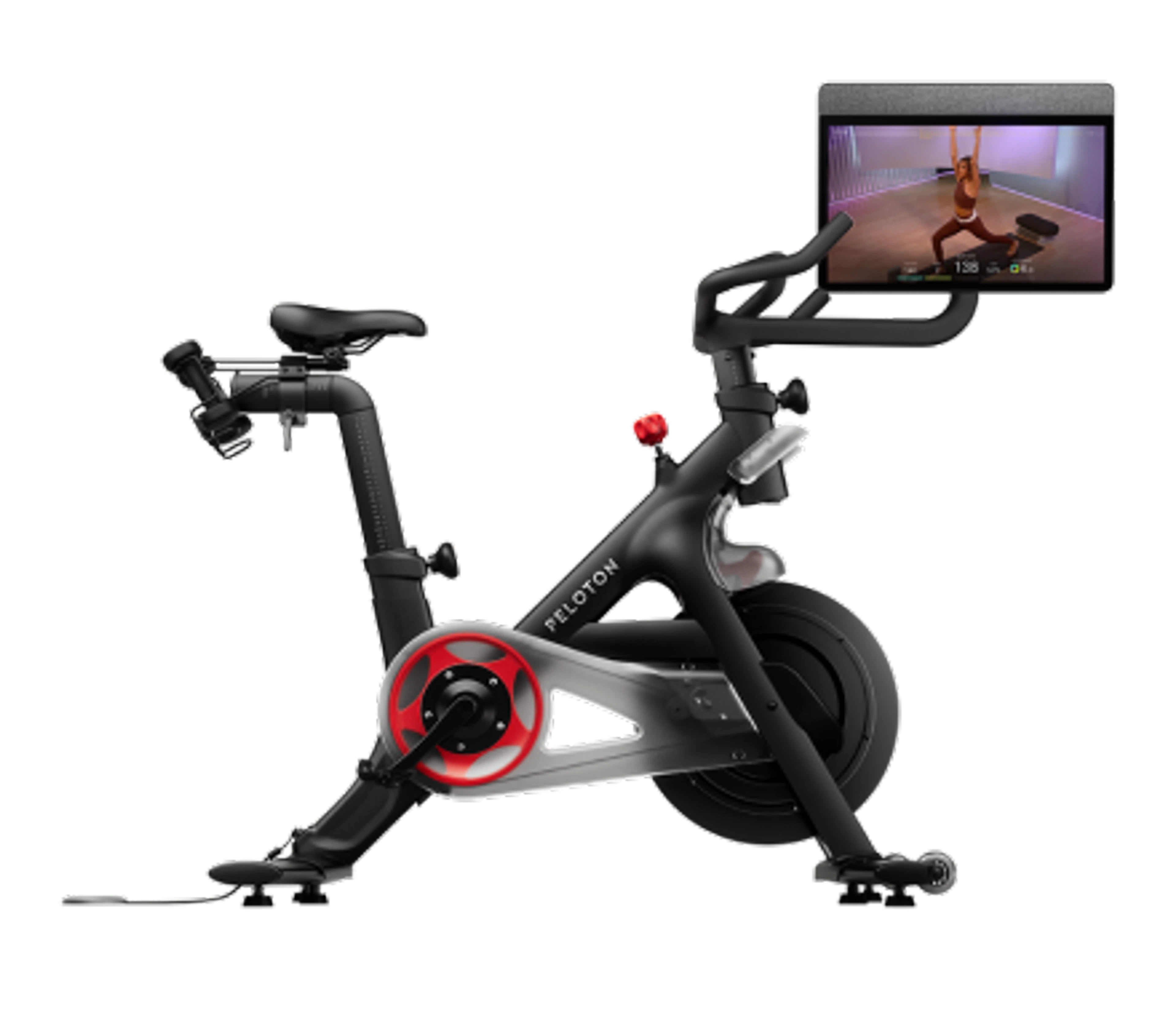
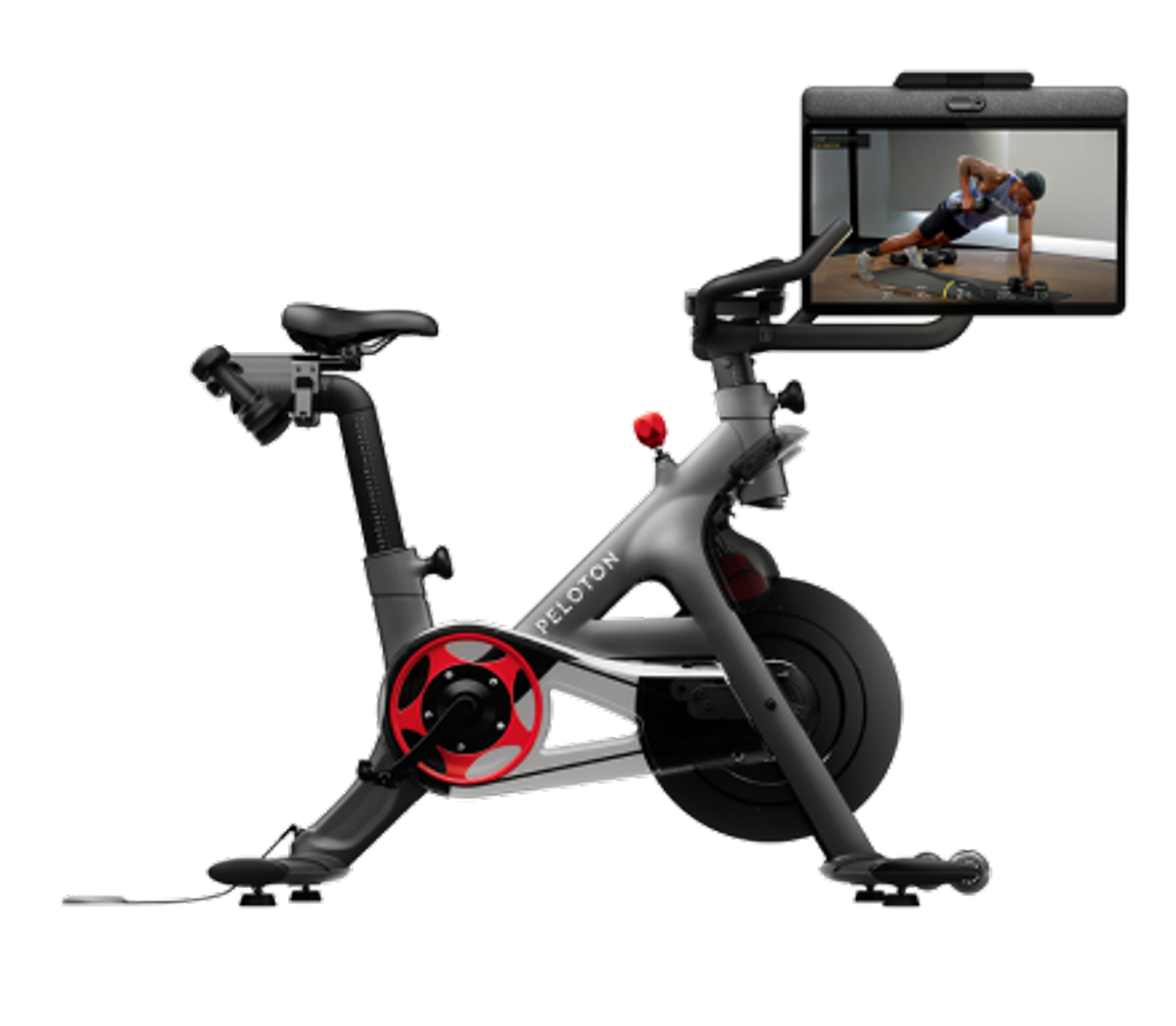
Peloton Bikes
Two bikes. One Peloton experience.
Benefits of Cross Training for Cyclists
Cross training doesn't only fill in the gaps in your routine and offer benefits that cycling can't, but it can also help you become a stronger cyclist. “Whether you're recovering from an injury, giving your body a break, or just finding a way to stay fit without your bike for a cyclist, diversifying movement is a great way not only to keep things interesting but to keep your body bike-ready,” Robin says.
Here are some of the benefits you might experience when you start cross training.
Reduced Injury Risk
When you’re participating in one sport or exercise modality all the time, you’re using your muscles the same way over and over. That can lead to overuse injuries or muscle weakness or imbalance, according to the American Academy of Orthopaedic Surgeons. But when you switch up your training, you give your muscles the opportunity to move in new ways, which will ultimately make your body stronger, fitter, and less prone to injury, whatever sport you’re participating in.
Improved Cardiovascular Fitness
When it comes to taking care of your heart health, research suggests that cross training makes a big difference. One study of 620 soldiers found that those who cross trained had more muscular endurance and better aerobic endurance than those who didn’t cross train. And another small study found that when participants performed a mix of 30 minutes of aerobic training and 30 minutes of resistance exercise three days per week for eight weeks, it had a better impact on heart disease risk factors compared with their peers who did only one type of exercise (either strength or cardio).
Increased Functional Strength
Cycling is a stellar cardio workout, but it asks your body to move primarily in one plane of motion. Cross training breaks that mold, challenging your muscles in new ways to build functional strength that helps you move better through life and translates to better performance on the bike. For example, cycling requires a lot of core stability to keep your torso steady while your legs power through each pedal stroke. For this reason, Robin says it can be especially beneficial for cyclists to do a form of cross training that strengthens the core muscles, such as strength training or Pilates.
Reduced Disease Risk
Research has shown that a cross training routine that includes both cardio and strength training can reduce the risk of dying from chronic diseases (including cardiovascular disease, cancer, and diabetes) by as much as 40 percent.
While cycling regularly has many benefits—including being good for your heart and a low-impact way to stay active without pounding on your joints—Robin points out that it doesn't build bone density. That’s something to keep in mind if you're exercising with longevity in mind, as low bone density can lead to osteoporosis or bone fractures. Cyclists can help lower that risk, however, with weight-wearing workouts such as strength training, which has been shown to increase bone density.
Related Articles

Strength Train
What Is Cross Training? Plus, How to Build Your Routine with Peloton

Equipment
Everything to Know About the New Peloton Cross Training Series

Health
The Pros and Cons of Working Out Twice a Day—and How to Do It Without Burning Out

Health
Weekend Warriors, Listen Up: Here’s What to Know About Working Out Twice a Week
The Best Cross Training Workouts for Cyclists
Cycling may always be your ride or die, so to speak, but incorporating cross training into your workout routine will enhance your performance on the bike and benefit your body in ways cycling can’t. Experts agree that a well-rounded workout routine is key if you're training to live a longer, more active life, and ideally includes a mix of cardio, strength, and flexibility or mobility training.
There are tons of non-cycling types of exercise—most of which are available on the Peloton App—that can complement your work on the bike and help you round out your routine. Below are the cross training workouts Robin recommends the most for cyclists, as well as what you can expect to gain from bringing it into your routine.
Strength Training
“Strength training is the number one cross training tool I recommend to every athlete, but especially cyclists,” Robin says. “Strength training is going to make you stronger, faster, fitter, and more injury-resilient, more stress-resilient. You'll be able to ride longer with less pain, and who doesn't want that?”
Strength training helps build bigger, stronger, more fatigue-resistant muscles, which can in turn increases how long and powerfully you can pedal on the bike. One small study of female cyclists found that those who added heavy strength training significantly improved power output and cycling economy compared to cyclists who didn’t strength train. And as previously mentioned, it also helps build stronger bones, which becomes increasingly important as we age, as it can combat the bone loss that tends to accelerate after age 50.
For most people, strength training two to three times a week is enough—but you can do it more often than that as long as you allow each muscle group 48 hours to rest between workouts that target that area. You’ll find tons of strength training workouts on the Peloton App, including workouts that focus specifically on arms and shoulders, glutes and legs, and core.
Swimming
Robin recommends swimming as a way for cyclists to cross train because it helps build core strength, lengthens hip flexors (which often become tight on cyclists), and increases range of motion and breathing capacity—all at the same time. If you ever can't cycle due to an injury, swimming is a great option for maintaining cardiovascular fitness without putting impact on your joints. “It’s a huge cardiovascular burn and is easy on the body,” she adds.
Running
Can running and cycling complement each other? Absolutely. “Running is a great way to get a workout in if you don’t have time for a long ride,” Robin says. It's a great way to maintain aerobic fitness even when you can't hop on a bike. “It’s a much more efficient workout than a long cycling class or outdoor session and you don’t need to travel with your bike or have access to the Peloton Bike,” she says. Plus, cycling and running both use the major muscles in your legs (including your quads, glutes, hamstrings, and calves).
Whether you only have 10 minutes to run or want to go for a full hour, Peloton has a variety of guided running workouts that you can take outside or on a treadmill for runners of all levels.
High Intensity Interval Training (HIIT)
HIIT workouts, which alternate short bursts of intense cardio and rest intervals, are “a really great way to amp up your VO2 max and cardiovascular capabilities,” Robin says. With Peloton, you can do a HIIT workout on a treadmill, rowing machine, or the floor—no matter which type of HIIT workout you choose, your body will benefit. Doing HIIT workouts regularly has been shown to support heart health, weight loss, and cardiorespiratory fitness, including improved VO2 max (the maximum amount of oxygen your body can use during exercise). This is immensely beneficial for cyclists because a higher VO2 max means you’ll be able to maintain a higher intensity for longer before getting breathless or fatigued.
Yoga
Yoga can help restore flexibility and mobility in areas that get tight from extended time on the bike (hi, hip flexors). By flowing on the mat regularly, you can also improve your posture, build core strength, and increase your stability, all things that will benefit you on the bike. Another valuable aspect of yoga is that it teaches you to be mindful of your body and encourages a focus on your breath. How does that help with cycling? One study that a two-month yoga-based breathing practice helped endurance athletes improve breathing efficiency during exercise.
Any Peloton yoga class can benefit cyclists, but if you want one designed specifically to complement the work you’re doing on the Peloton Bike, check out the Focus Flow: For Riders classes on the Peloton App.


How Often Should Cyclists Cross Train?
Most cyclists can plan to cross train one to three days per week.
If you’re brand new to cross training, you’ll want to start slow, perhaps adding in one day of strength training per week and gradually increasing the amount and types of training as you progress. You may be able to incorporate low-intensity practices such as yoga and mobility work into your routine more often; they're great for active recovery days and also ideal as a dynamic warm-up before a ride or a cooldown afterward.
If you’re recovering from an injury, dealing with any health conditions, or are feeling unsure how to add cross training into your routine, consult a fitness or medical professional who can help you develop an individualized plan that works for you.
How Cyclists Can Cross Train with Peloton
Peloton makes it easy to jump into cross training. There are classes available for almost all types of cross training listed above, including some specifically designed as cross training workouts for cyclists, such as Focus Flow: For Riders yoga classes.
And if you’d like more robust guidance on your workout routine, try Peloton’s Personalized Plans feature on the Peloton App, which allows you to select a workout goal and preferences, and then delivers a customizable plan to fit your needs. Also check out the instructor-led programs, including Strength for Cyclists, which can help you progress toward a specific goal.
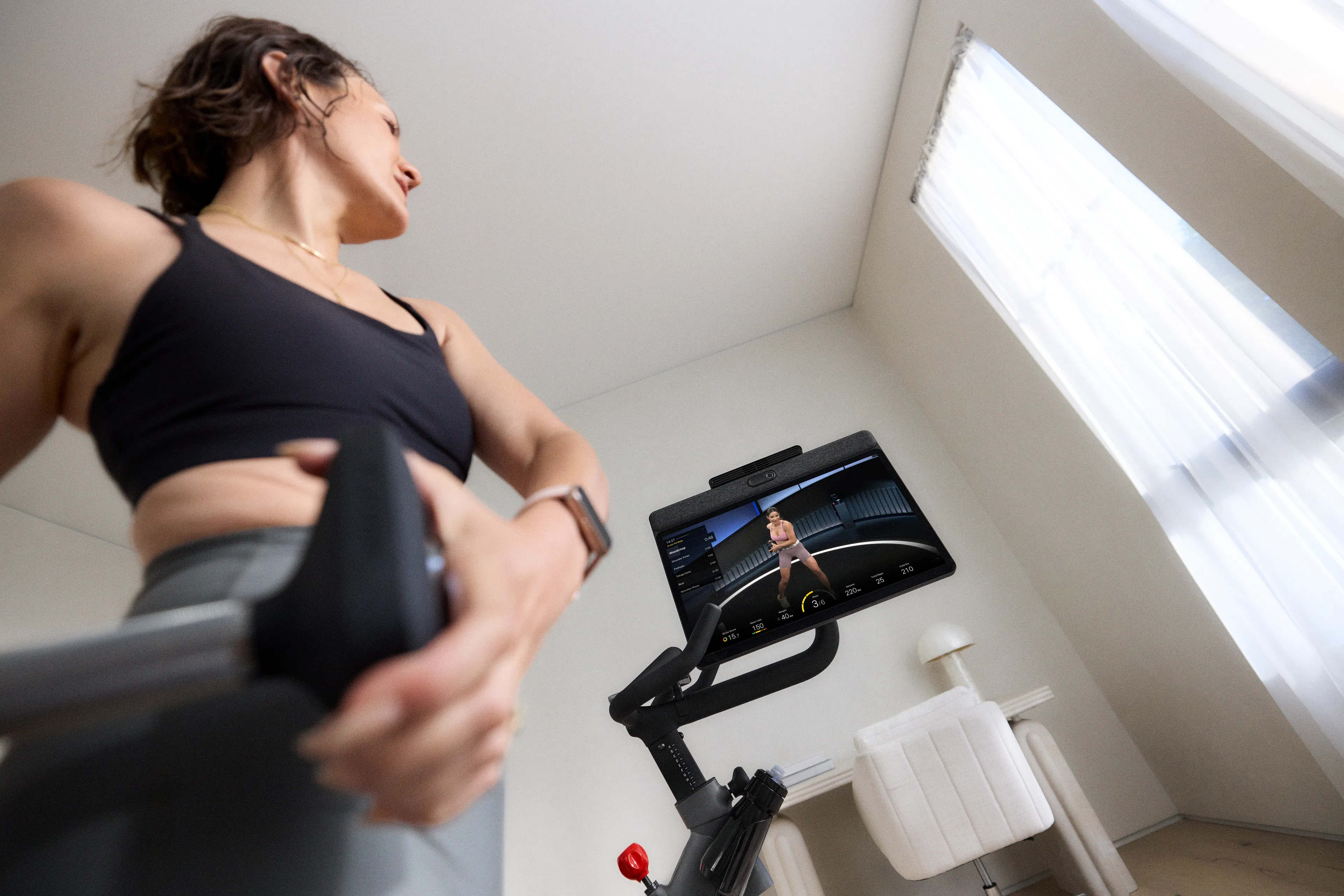
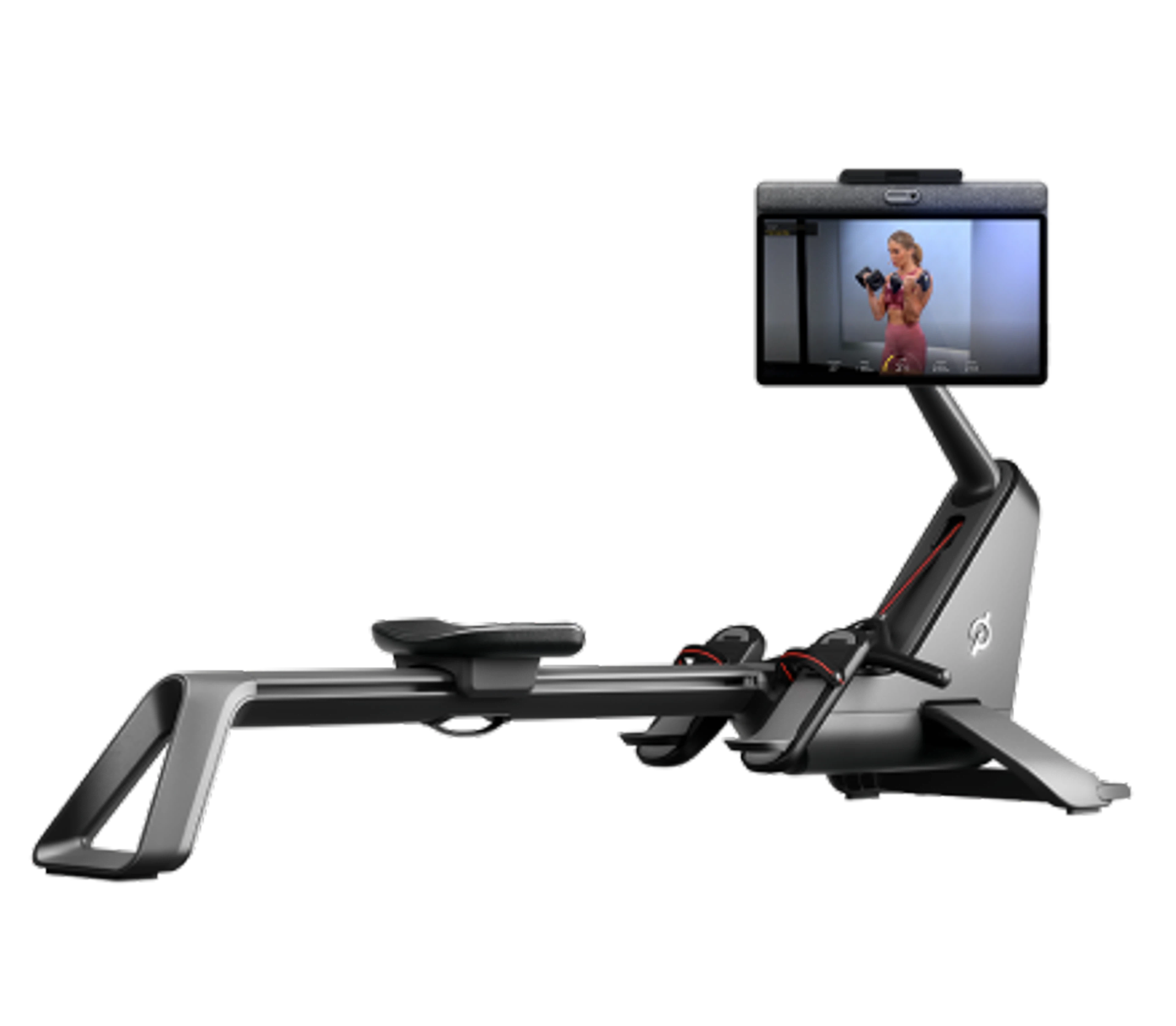
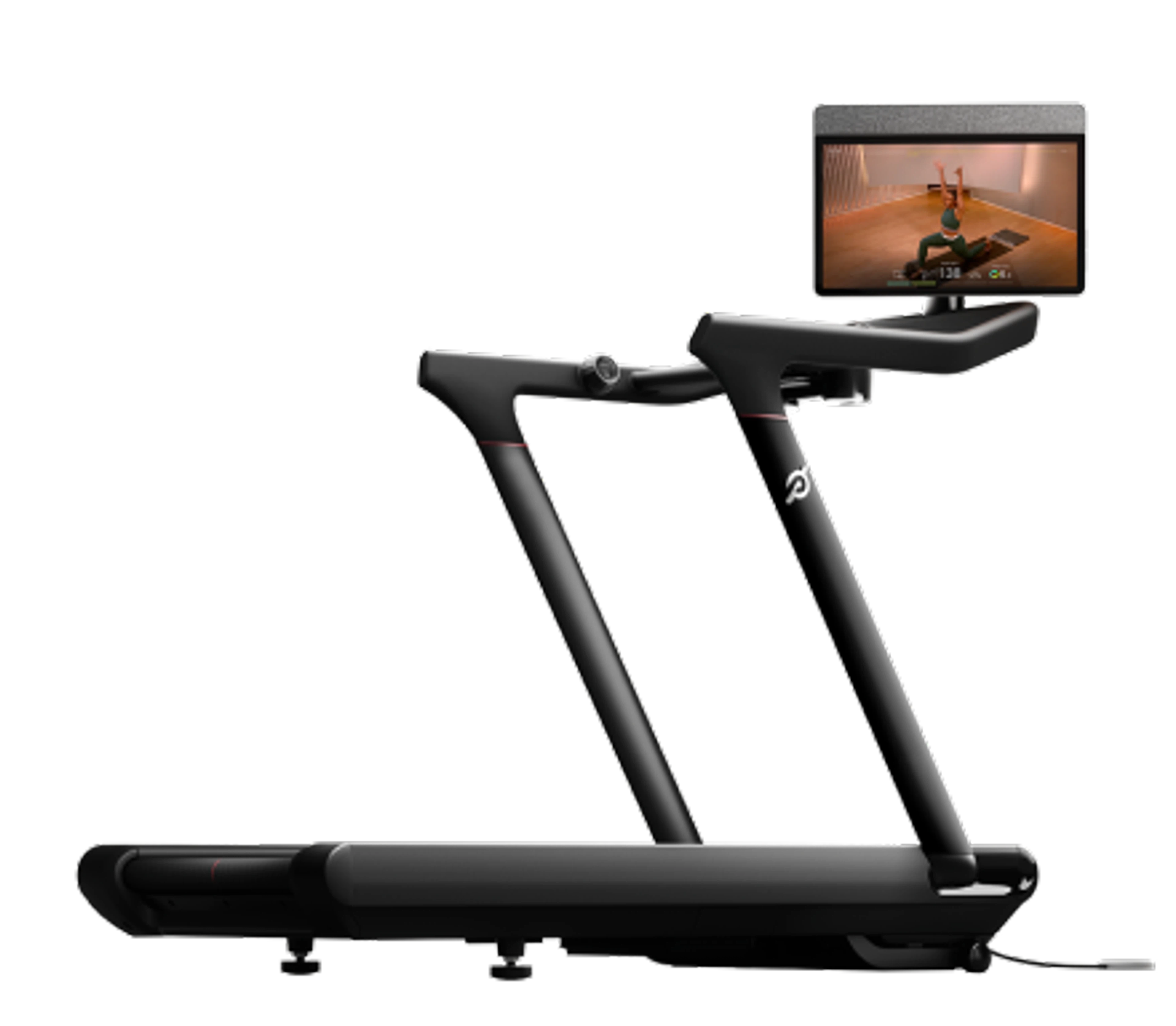
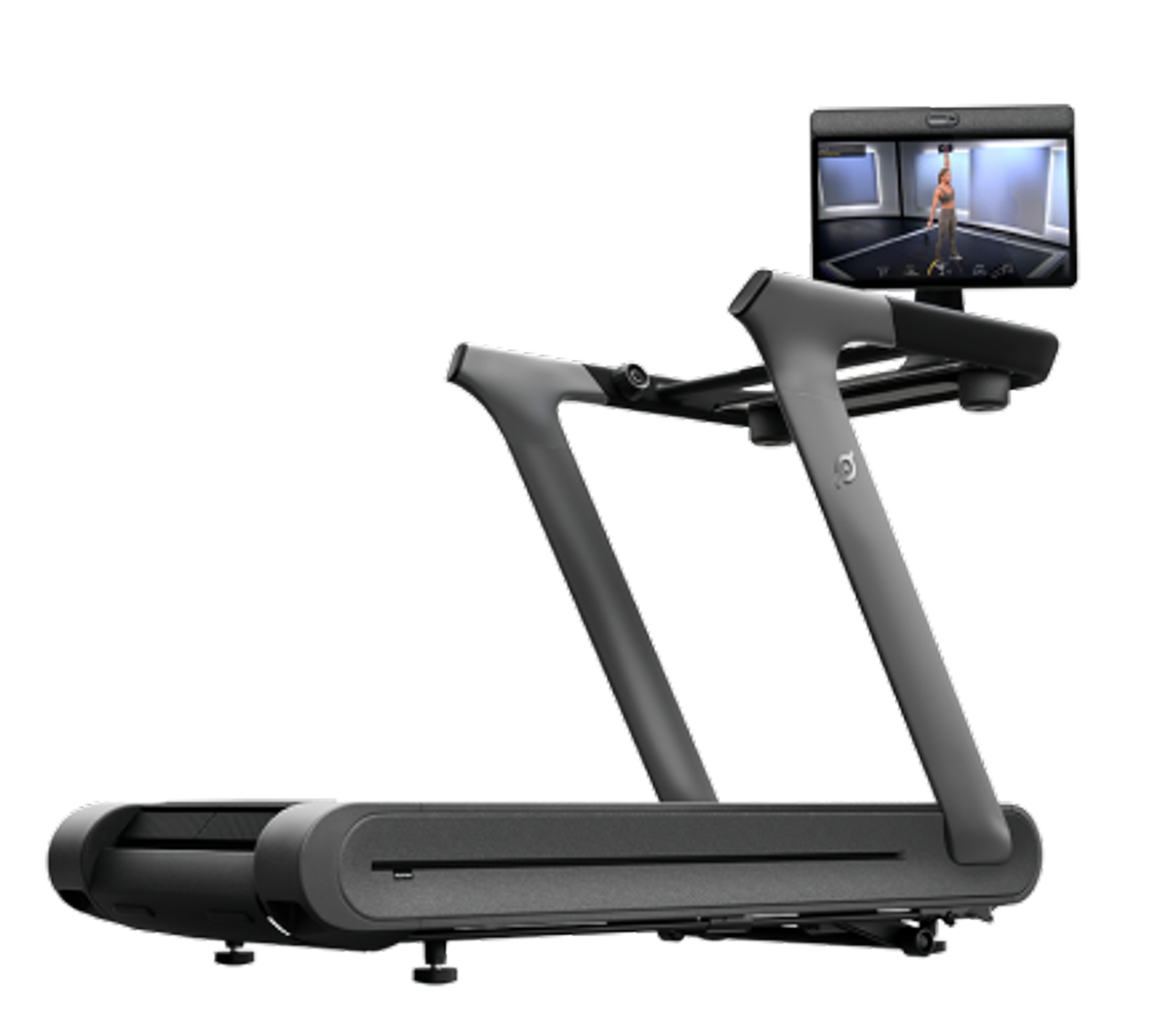
Outside the app, the Peloton Cross Training Series makes it even easier to switch up your workout routine. Every device has a swivel screen, so you can simply step off your equipment and jump straight into a yoga, Pilates, or strength training session on your mat. Even better: The Cross Training Bike+, Tread+, and Row+ are powered by Peloton IQ, an intelligence layer that corrects your form, counts your reps, and helps personalize your workouts so you can take your cross training to the next level.
This content is for informational and educational purposes only and does not constitute individualized advice. It is not intended to replace professional medical evaluation, diagnosis, or treatment. Seek the advice of your physician for questions you may have regarding your health or a medical condition. If you are having a medical emergency, call your physician or 911 immediately.

Our Products
Level up your inbox.
Subscribe for a weekly dose of fitness, plus the latest promos, launches, and events.
By providing your email address, you agree to receive marketing communications from Peloton.
For more about how we use your information, see our Privacy Policy.