
Aja Koska/E+ via Getty Images
13 Leucine-Rich Foods That May Help Trigger Muscle Growth and Repair
Kickstart those gains with these tasty options.
By Hillary Hoffower•
Leucine might not be a household name, but your muscles certainly know it. The essential amino acid plays a starring role in kickstarting muscle growth and repair, making it a quiet powerhouse if you’re looking to get stronger, recover faster, or simply support a healthy, active body. And you don’t need supplements to get it: You can often find it in your typical daily dose of protein, whether that’s grilled chicken or scrambled eggs.
We spoke with registered dietitians about their favorite leucine-rich foods, why you need them, and just how much leucine you should be consuming. Keep reading for everything you need to know.
Why Leucine Is Important
To understand leucine’s role in the body, you must first understand the role of amino acids, our bodies’ building blocks of protein that make up our muscles, cells, tissues, and organs. We need 20 different amino acids to develop and function, and nine of these are considered essential amino acids that our bodies can’t make on their own. We have to get them from our diet instead.
Three of these essential amino acids are branched-chain amino acids (BCAAs), key players in muscle protein synthesis, the process by which your body turns the protein you eat into muscle. The trio’s star of the show is leucine. It’s often referred to as the “trigger” for muscle protein synthesis, explains registered dietitian Allison Knot, RDN, of Anew Well. It signals to pathways that other amino acids are ready to start repairing muscle after a workout, helping to build and maintain skeletal muscle mass.
“This can be especially important around a period of injury when risk of muscle loss is high, adolescence (growth and development), and in master’s-level athletes, although all athletes benefit from inclusion of leucine in the diet,” says registered dietitian Laura Moretti Reece, RD, Director of Nutrition at Women’s Health, Sports & Performance.
In addition to supporting muscle growth and repair, leucine plays a role in healing wounds and stabilizing blood sugar, according to the Cleveland Clinic. What’s more, a small 2021 study found that 10 weeks of leucine supplements given to adolescents and young adults with cerebral palsy helped improve several markers of inflammation, as well muscle strength, mood, and overall wellbeing.
How Much Leucine Do You Need a Day?
Adults should generally get about 42 milligrams of leucine per kilogram (or 2.2 pounds) of bodyweight per day (although research suggests older adults might need more due to the effects of aging on protein metabolism). That means if you weigh 150 pounds, you’d aim to get 2,864 milligrams (or 2.9 grams) of leucine a day, according to the Cleveland Clinic.
It may seem hard to tell if you’re consuming enough leucine since it isn’t listed on nutrition labels, but Knot says there’s actually no reason to measure total leucine if you’re getting enough total protein in your diet. That’s why you should concentrate on protein intake instead, she explains, focusing on eating more than the recommended daily allowance of 0.8 grams of protein per kilogram of body weight.
A simpler way to think about it? If you’re eating 20–30 grams of protein with a meal (such as 3-4 ounces of fish or one to two servings of dairy), Moretti Reece says, you’re meeting your leucine needs.
Most people are eating the recommended amount of protein, which means most people are also getting enough leucine, according to Knot. “But with age, needs increase, which may present challenges in meeting the recommended amount,” she says. “Additionally, those following a restricted diet (calorie restricted or others such as vegan or vegetarian diets) should pay special attention to the source and quantity of protein consumed each day to ensure needs are met.”


13 Foods High In Leucine
When it comes to getting more leucine in your diet, your plate is one of the easiest places to start (although you can certainly turn to supplements if your healthcare provider says they’re right for you). From protein-packed staples to plant-based picks, these dietitian-approved leucine-rich foods deliver what your muscles crave to grow, repair, and stay strong. (While not all of these will deliver the recommended amount of leucine by themselves in one serving, you can always stack them with other protein sources or reach for them as snacks throughout the day.)
“All of these options provide the body with the amino acids to build and repair skeletal muscle and build enzymes, hormones, and immune cells,” Moretti Reece says.
Remember, as long as you're eating plenty of protein, chances are you can rest easy knowing you’re getting all the leucine your body needs. Still, if you want to make a conscious effort to work more leucine-rich foods into your diet, these dietitian-recommend picks are great places to start.
1. Cheese
Leucine per cup: 2–3.9 grams
Leucine content ranges anywhere from 2.5 grams for a cup of feta to 3.9 grams for a cup of Swiss cheese. A small 2022 trial found that consuming about an ounce of cheese after a lower body resistance exercise session (or during rest or recovery) increases muscle protein synthesis rates among men. And, like a lot of dairy, cheese has a lot of calcium “which is essential for bone growth and development,” according to Moretti Reece.
2. Chicken
Leucine per cup: 3 grams
It makes sense that chicken is a food high in leucine since it’s such an excellent source of protein. It’s a classic staple for a reason: Its versatility makes it easy to prepare with flavorful marinades or sauces, and it can be incorporated into a variety of mixed dishes from soups to pastas to casseroles, Knot says.
3. Turkey
Leucine per cup: 2.8 grams
With nearly 3 grams of leucine per serving, it’s easy to see why Moretti Reece recommends leucine-rich food turkey to kickstart the muscle-building process. Opt for turkey that’s low in fat—leaner cuts of meat tend to be higher in nutrients and lower in sodium. Ground turkey makes for a great substitute to ground beef, whether you’re making tacos or chili, or you can slice up some cooked turkey breast for a hearty sandwich.
4. Beef
Leucine per cup: 2.5 grams
In addition to high leucine content, beef provides a whole host of nutrients like zinc, vitamin B12, and iron. Just make sure you go for a cut of lean beef, such as a round steak or a top-sirloin steak. They’re more heart healthy because they contain less fat and will help maximize your muscle gains after weight lifting.
5. Tempeh
Leucine per cup: 2.3 grams
At more than 2 grams of leucine and 33 grams of protein per cup, tempeh is an excellent option for a meatless muscle-building meal. Your stomach will also thank you—made from fermented soy, it’s rich in probiotics that are good for gut health. That’s not it’s only wow-factor though: It also contains a lot of dietary fiber, iron, and magnesium. Plus, research shows it can potentially improve bone health.
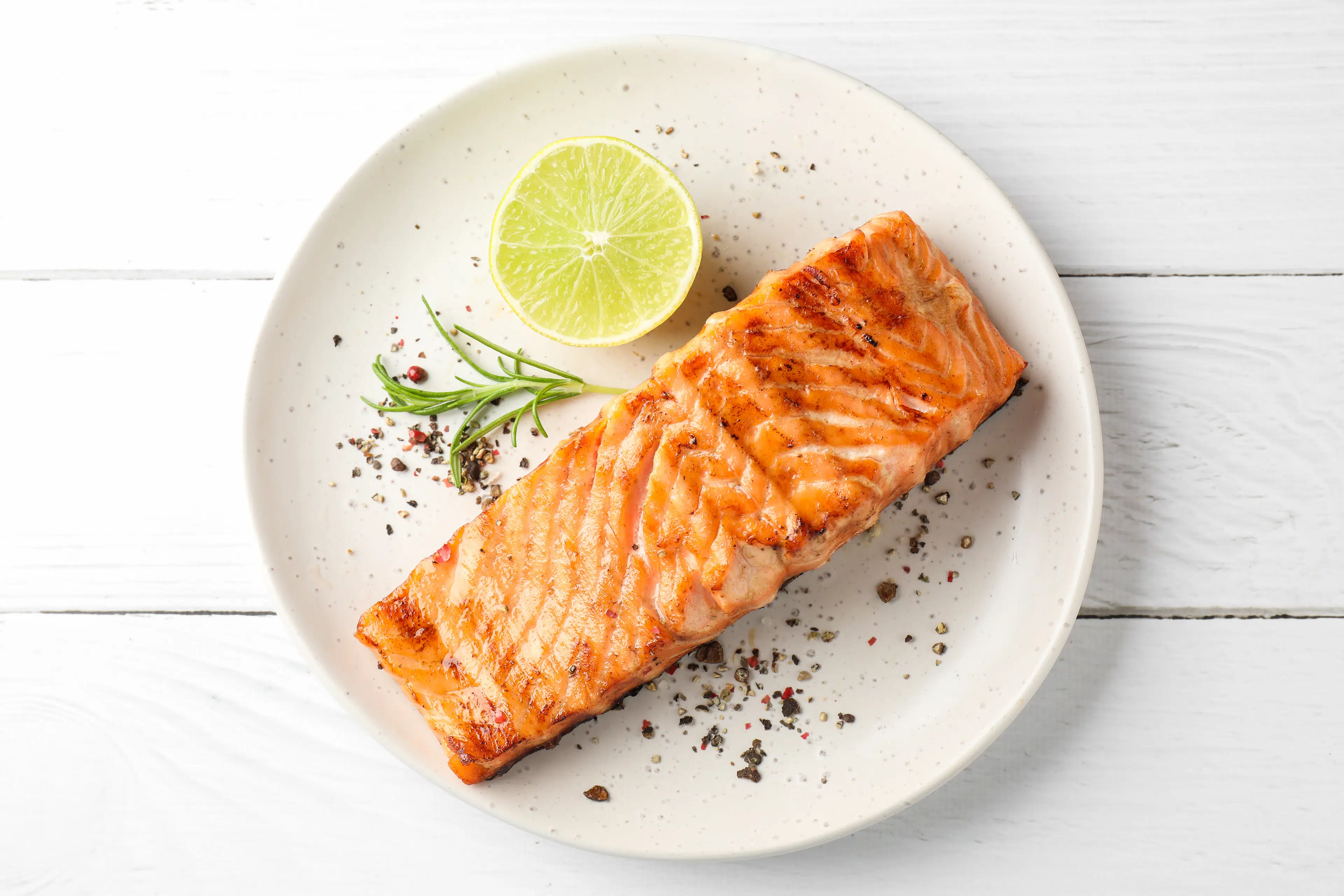
6. Salmon
Olga Yastremska/iStock/Getty Images Plus via Getty Images
Leucine per 3 ounces: 1.8 grams
Many types of fish are good sources of leucine, according to Moretti Reece. Chief among them: salmon. It’s low in toxins like mercury and high in anti-inflammatory omega-3 fatty acids that boost heart health. You can also make a variety of dishes with salmon, from a sheet-pan dinner with veggies and potatoes to a fresh salad for lunch.
7. Non-Fat Cottage Cheese
Leucine per cup: 1.5 grams
Dairy products like cottage cheese are particularly high in leucine, Moretti Reece says. Cottage cheese is a bit of a powerhouse, and not just because it has a favorable leucine content. It’s also packed with protein, calcium, and probiotics, making it great for your body to grow muscle. Whip up a cottage cheese bowl post-workout with chia seeds and fruit for a dose of healthy fats and carbs.
8. Lentils
Leucine per cup: 1.3 grams
A solid food high in leucine for vegetarians and vegans, this legume is incredibly versatile. Try throwing them on a salad, into a soup, or in a curry for a whole host of other nutrients, like iron and antioxidants that can support your heart and brain. “Lentils are not only a good source of plant-based protein; they’re also high in fiber with 1 cup of cooked lentils packing 18 grams of protein and 16 grams of fiber,” Knot says. “That’s over half a day’s worth of fiber.”
9. Beans
Leucine per cup: 1.2 grams
A solid source of plant-based protein for growing muscle, beans also contain carbs, your body’s main energy source. They’re great before a workout to fuel your body with enough energy so that it doesn’t tap into protein instead, allowing the macro to do its job. But they’re also an excellent choice after a workout. Make bean tacos or quesadillas for a veggie-friendly twist, or put them in a soup with lentils for some extra leucine.
10. Whey Protein
Leucine per 30-gram scoop: 2–2.5 grams, depending on the brand
While you can get enough leucine from plenty of whole foods, if you’re in a hurry post-workout, you can’t go wrong with a smoothie rich in whey protein. It contains the highest amount of leucine over plant-based options, according to Moretti Reece. Generally, it’s best used after a workout, since it quickly breaks down into amino acids your body can use ASAP. That means all the sooner to kickstart that leucine trigger.
If you’re considering a protein powder, you may want to select one from the National Sanitation Foundation’s (NSF) Certified for Sport® directory. Remember, it’s also smart to get your healthcare provider's approval before trying any new supplements.
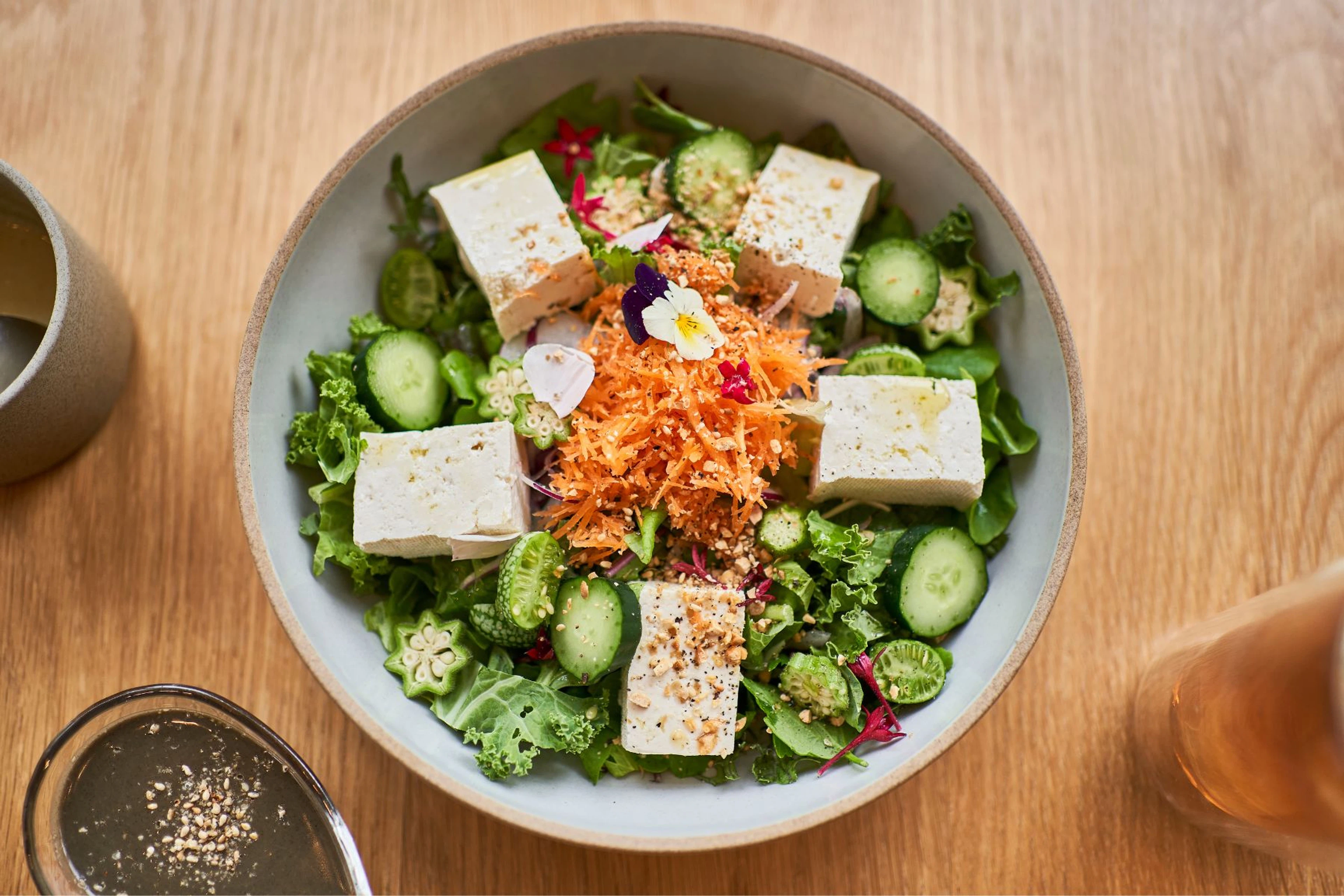
11. Tofu
Yagi Studio/DigitalVision via Getty Images
Leucine per half-cup: 0.9 grams
A complete protein source that contains all nine essential amino acids, tofu can help you hit your leucine goals when paired with another leucine-rich food like lentils. Made from soybeans, tofu is rich in iron, calcium, and isoflavones, which may have anti-inflammatory benefits. Tofu tends to take on the flavors of various dishes, which makes it a versatile food to cook with.
12. Eggs
Leucine per extra-large egg: 0.6 grams
If you’re looking to pack some leucine in your breakfast, look no further than eggs. Having two of these breakfast staples will yield about 1.2 grams of leucine. “Eggs are often overlooked for the essential nutrients they offer beyond protein alone,” Knot says. “The yolk is rich in choline, an essential nutrient that plays an important role in metabolism.”
Egg yolk is also a surprising source of carotenoids, she adds, which are naturally occurring pigments in foods that largely have antioxidant effects. They contain lutein and zeaxanthin, antioxidants that support vision and skin health.
13. Green Peas
Leucine per cup: 0.5 grams
Peas are a good leucine-rich food for those with vegetarian diets, according to Knot. She suggests adding them to salads or a stir-fry for a protein boost. “Peas are an under-appreciated source of plant-based protein, with 1 cup providing 8 grams of protein,” Knot says. They’re also a solid source of fiber, iron, and vitamin C, so you’re getting a lot of health benefits in one bite.

Peloton App
Access thousands of classes with no equipment needed.
This content is for informational and educational purposes only and does not constitute individualized advice. It is not intended to replace professional medical evaluation, diagnosis, or treatment. Seek the advice of your physician for questions you may have regarding your health or a medical condition. If you are having a medical emergency, call your physician or 911 immediately.
Level up your inbox.
Subscribe for a weekly dose of fitness, plus the latest promos, launches, and events.
By providing your email address, you agree to receive marketing communications from Peloton.
For more about how we use your information, see our Privacy Policy.