How Long Does It Take to See Results from Working Out?
Noticeable results can show up sooner than you think, as long as you’re putting in the effort and staying consistent.
By Sarah Klein•
When You Might See Results from Working Out, Depending On Your Fitness Goal
Other Signs of Results from Working Out
How Nutrition Factors Into Workout Results
The Takeaway
When you start a new exercise program, you probably look forward to a specific outcome. Maybe you want to run a faster 5K, be able to do a pull-up, feel more energized during your workdays, or feel more confident in your clothes. Your unique goal is yours alone—but you probably want to take the most efficient path to get to that finish line.
That’s why it’s common for exercisers of all types to wonder how long it takes to see results from working out. It will take some patience, commitment, and shifts in your other lifestyle habits, but the payoff is well worth it.
Here’s a look at how long you can generally expect to wait for that payoff, depending on your fitness goal.
When You Might See Results from Working Out, Depending On Your Fitness Goal
Build Muscle
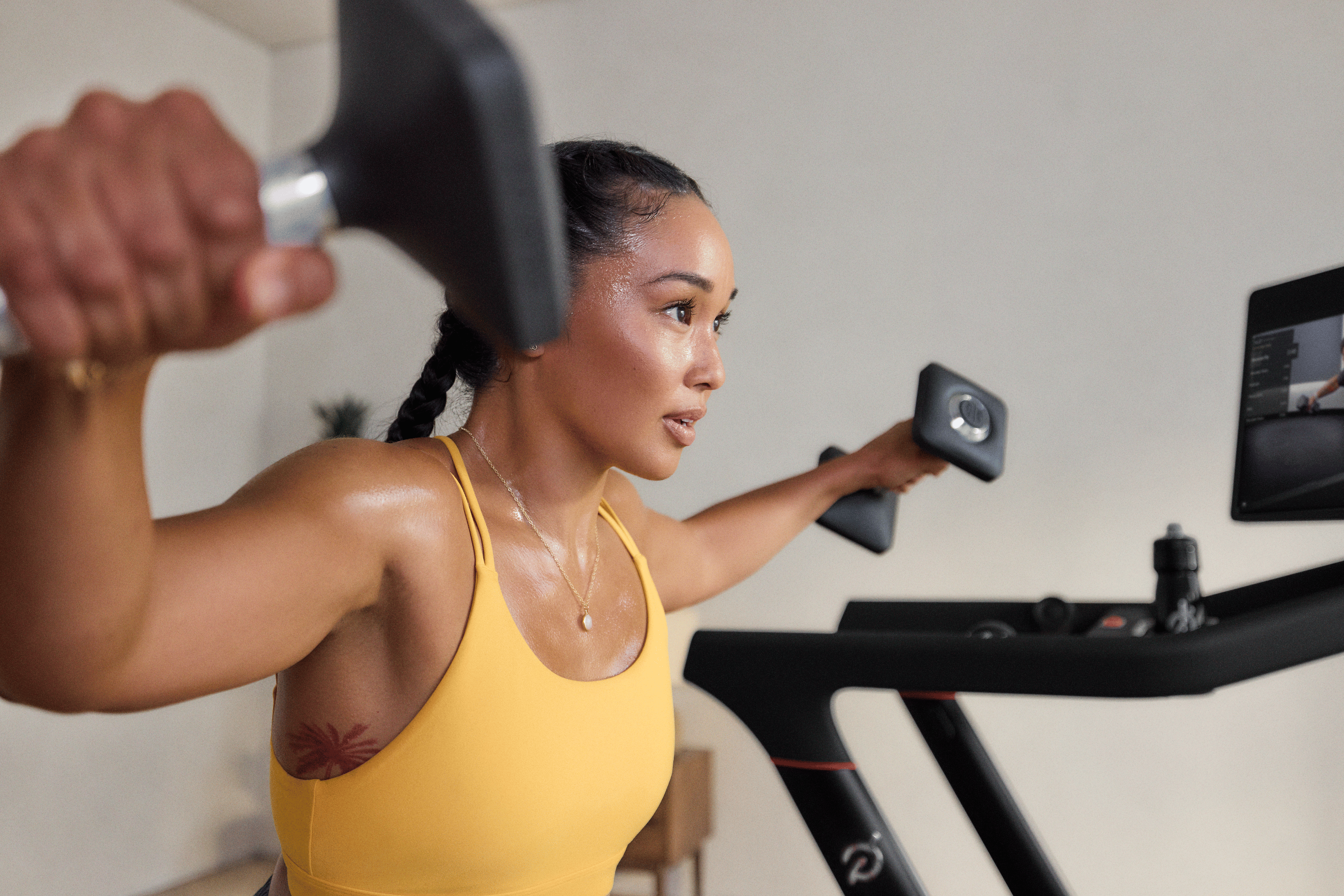
If you’re focusing on muscle hypertrophy, or visible muscle gains, it might take anywhere from four to 12 weeks to see results.
“Early gains are mostly neuromuscular; your brain learns to use muscle better,” says Karly Mendez, PhD, senior human performance specialist at Memorial Hermann Rockets Sports Medicine Institute. It takes longer for enough muscle protein synthesis to occur (that’s the process of turning protein you eat into new muscle) and for enough muscle fiber to accumulate to really notice lasting, visible changes, she adds.
Where you fall in that four- to 12-week range varies based on factors such as your fitness experience, age, protein intake, and training plan. To build visible muscle, you need to exercise regularly and strategically increase your reps and sets, intensity, or weights to keep making progress (a training principle called progressive overload).
This takes intentional effort: “You’re not just doing something that’s easy or going through the motions,” says Rebecca Wadlinger, DO, a primary care sports medicine physician and assistant professor of orthopaedic surgery at Duke University School of Medicine.
Each strength workout breaks down your muscle fibers slightly, and then when your body repairs this damage, your muscles grow bigger and stronger, she explains. Beginners have a bit of an advantage in this department: When you’re new to strength training, you may build visible muscle faster than experienced lifters, known as “newbie gains.”
Get Stronger
Tangible improvements in strength can set in faster than changes in muscle size. You might notice you’re able to lift more weight after about two to four weeks of consistent strength training. “Strength improves quickly because of nervous system adaptations, [such as] better motor unit recruitment, coordination, and firing rate,” Mendez says. In other words, your brain is learning to more efficiently call on your muscles, and as a result, you can pick up heavier weights.
To keep building strength, you need to appropriately and consistently challenge your muscles, according to the training principle of progressive overload. To do so, as your muscles get both bigger and stronger, you’ll need to increase the amount of weight you’re lifting, the number of reps or sets you’re doing, or the intensity of the exercises you’re performing. If you keep gradually making your workouts harder, you’ll continue prompting your body to adapt and grow stronger in the process.
Improve Endurance
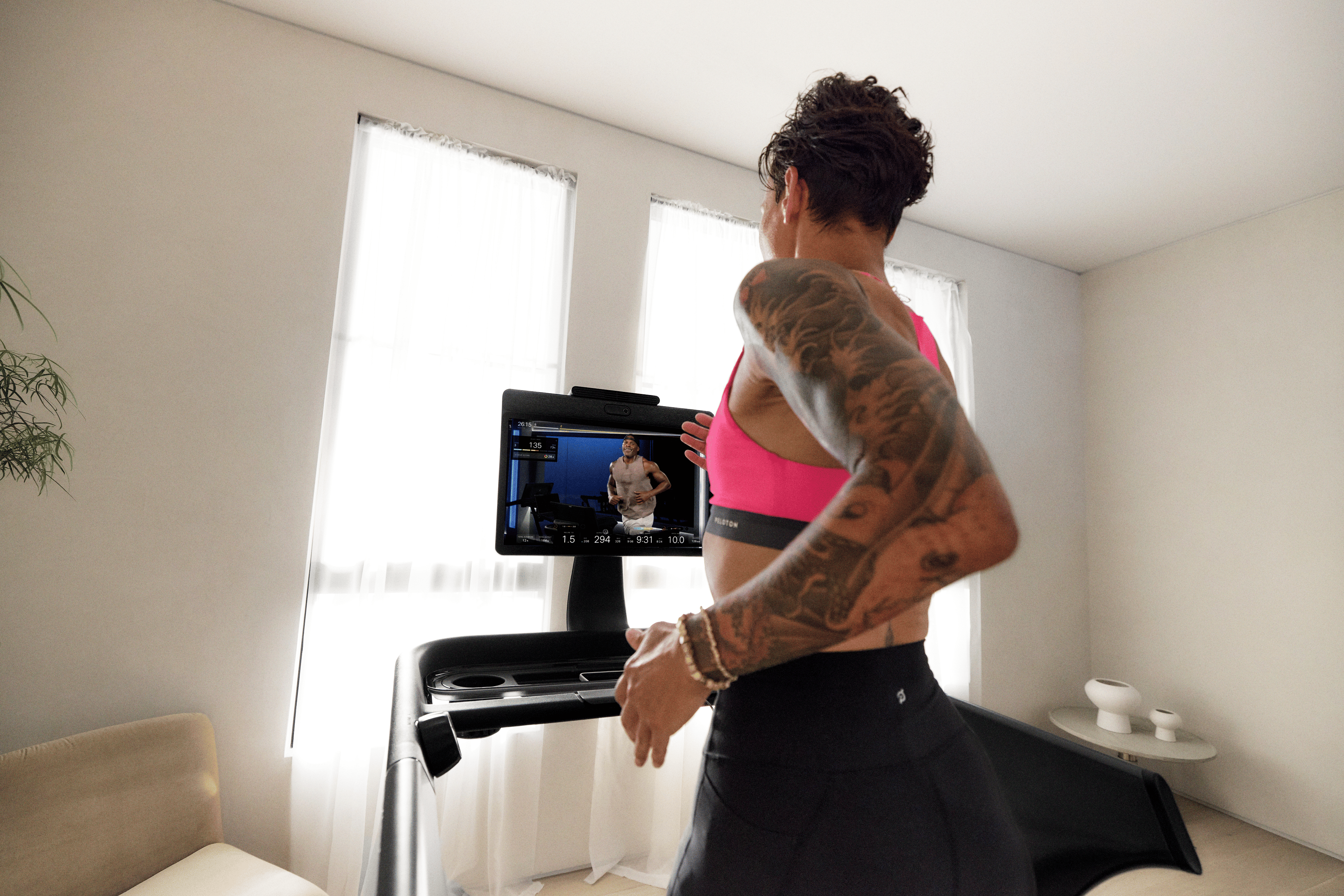
Changes to your cardiovascular system kick in relatively quickly once you start working out. Within three to four weeks of consistent training, you’ll see improvements that help you use oxygen and produce energy more effectively, Mendez says.
In fact, one measure of how effectively your body uses oxygen, called your VO2 max, can improve by 8–12 percent in the first three weeks after starting to exercise. Just like with other goals, it takes consistency with cardio workouts to continue making improvements.
Manage Weight
If you’re looking for changes on the scale from exercise, expect small shifts to show up between four and eight weeks, Mendez says, although this will of course vary person to person.
“Early scale shifts are often water and glycogen changes,” she explains. Glycogen is the version of carbohydrates, or glucose, that’s stored in your body with water to use for quick energy. When you start exercising, your body rapidly burns these energy stores, also getting rid of the water associated with them, which can result in a difference in weight.
To continue to see the scale move, you’ll need to stay consistent with both exercise and nutrition (more on that below), Dr. Wadlinger says. You may see more noticeable results after eight to 12 weeks, she adds.
Some research has documented weight-loss or weight-management results as early as two weeks after beginning an exercise program. But these results are usually more pronounced (and more routinely measured) after six to 12 months.
In the long term, building muscle may be a complementary goal you strive for: The more muscle you have, the more lean body mass you have (as opposed to fat mass). Your body will naturally burn more calories (even at rest) when you have more muscle mass, contributing to additional weight loss over time.
You might also want to get in the habit of tracking other metrics that give you a sense of accomplishment (such as how many steps you’re taking each day, how well you’re sleeping, or your rate of perceived exertion during a workout) so you’re not overly emphasizing the number on the scale, Mendez says.
Boost Mental Health
Here’s a quick win: You’re likely just one workout away from feeling the positive effects of exercise on your mental and emotional health. In one small study, researchers found that a single cardio exercise session improved mood in young adults both with and without depression.
While these immediate benefits are often short-lived, you’ll likely continue to notice you feel better mentally and emotionally throughout the first one to two weeks if you’re staying consistent with an exercise program, Dr. Wadlinger says.
“Exercise elevates endorphins, dopamine, and serotonin, reduces cortisol, and improves sleep, all of which boost mood and stress tolerance,” Mendez explains. Generally speaking, people who exercise regularly have lower rates of anxiety and depression than people who are less active, according to the American Psychological Association, which is good motivation to stick with it!


Other Signs of Results from Working Out
If you started a new fitness routine with some other goal in mind—like to support better sleep, improve your heart health, or just because you find it fun—you might experience all sorts of other small victories along the way.
Some other signs of results from working out that might pop up in the first 12 weeks or so, according to Mendez and Dr. Wadlinger, include:
Feeling less winded when climbing stairs or doing chores or other daily tasks
Being able to talk more comfortably during exercise
Sitting and standing with better posture
Lifting and carrying objects with greater ease
Improvements in balance and coordination
Reduced aches and pains
Higher energy levels
Better focus
Less trouble falling or staying asleep
Feeling less fatigued by your usual workout or effort
Faster recovery between workouts
Changes in how your clothes fit
How Nutrition Factors Into Workout Results
All that said, you may be able to reach some of your fitness goals even faster if you take a careful look at your nutrition, too. As Mendez says: “Training is the stimulus, nutrition is the fuel.”
Make sure you’re eating enough total calories to power your efforts (but not too many if your goal is weight management). Aim for the following breakdown of your macronutrients, according to the National Academy of Sciences:
10–35 percent of your total calories from protein
20–35 percent of your total calories from fat
45–65 percent of your total calories from carbohydrates
Protein supports muscle growth and repair, carbs are a major source of energy for your muscles and brain, and healthy fats help you absorb all the nutrients you need for optimal health and performance, Mendez says.
Make sure you’re staying hydrated, too. Getting enough fluids is essential for supporting tons of bodily processes, and helps ensure you’ll have the energy to stick to your workout plan. Aim for 11.5 to 15.5 cups of liquids each day—which includes the ounces in tea, coffee, soup, and even water-rich foods.
And even though you’re probably eager to make progress, remember that rest should be part of your plan, too. Generally, you want to have at least one to two days off from working out each week, and you should try to prioritize getting at least seven hours of sleep each night. While this may sound counterintuitive, rest days and quality sleep help your body recharge your energy stores and repair your muscles so you can keep making progress.

Peloton App
Access thousands of classes with no equipment needed.
The Takeaway
Some results from working out, like an improved mood, kick in immediately. Others, like building noticeable muscle strength and size, take a bit longer. In general, you’ll probably notice some changes, no matter your goal, anywhere from two to 12 weeks after beginning a new fitness program.
Lofty goals like long-term weight loss or major muscle growth can be ongoing for months or even years. But no matter your goal, staying consistent with your training is key. Eat a balanced diet to support your hard work, get plenty of sleep to help your body recover, and routinely challenge yourself so you keep progressing. With time, you’ll achieve the results you’re looking for.
If you’re looking for guidance in making it happen, check out Peloton’s Personalized Plans feature on the Peloton App, which allow you to select a goal and workout preferences, and then delivers a personalized workout plan that you can further customize to fit your needs. You’ll also find plenty of instructor-led workout programs on the Peloton App and Peloton Strength+ tailored toward different fitness goals, including building muscle and strength, improving cardio fitness, training for a race, or building a balanced routine.
Related Articles

Strength Train
What Are ‘Newbie Gains’ In Strength Training and How Long Do They Last?

Mental Health
Feeling Mentally Burned Out by Your Fitness Routine? Here’s How to Recharge

Health
We Decoded the Best Time To Work Out, According to Science

Strength Train
4 Key Elements That Belong In Every Weekly Workout Routine, and How to Put It All Together
This content is for informational and educational purposes only and does not constitute individualized advice. It is not intended to replace professional medical evaluation, diagnosis, or treatment. Seek the advice of your physician for questions you may have regarding your health or a medical condition. If you are having a medical emergency, call your physician or 911 immediately.
Level up your inbox.
Subscribe for a weekly dose of fitness, plus the latest promos, launches, and events.
By providing your email address, you agree to receive marketing communications from Peloton.
For more about how we use your information, see our Privacy Policy.