Should You Do Cardio On Rest Days? And If So, Just How Much?
Rest-day cardio can either help or hurt—here's what you should know.
By Erin Bunch •
Should You Do Cardio On Rest Days?
Does Cardio Count As Active Recovery?
How Much Cardio Should You Do On a Rest Day?
How Intense Should Your Cardio Be On Rest Days?
The Benefits of Doing Cardio On Rest Days
Best Types of Cardio for Rest Days
When You Should Skip Cardio on Rest Days
The Takeaway
When you’re working toward a fitness goal, it can be tough to accept the need for rest. The temptation is often to keep pushing, even on your days off. Peloton instructor Dr. Charlotte Weidenbach admits she fell into this trap when she was newer to training: overdoing cardio on her rest days, plateauing, and then doubling down even harder on her workouts.
The truth is that rest is part of training—recovery matters just as much as logging the miles or lifting the weights, says Dr. Charlotte. But “rest” doesn’t always have to mean you spend the day bed-rotting and bingeing shows. Engaging in gentle cardio on rest days can serve as active recovery, giving your body and mind a boost without adding strain.
“The difference between a complete rest day and active recovery with cardio is that it keeps blood flowing without taxing the system,” Dr. Charlotte says. “I often feel looser and mentally recharged after a gentle cardio workout and thorough stretch compared to feeling a bit stiff after having a completely seated day.”
It’s important, however, to understand exactly what “good” rest-day cardio looks like, and how to approach it safely. When done right, it supports recovery; when overdone, it can sabotage your progress. Below, Dr. Charlotte breaks down how much to do, which activities work best, and how it can benefit your mind and body.
Should You Do Cardio On Rest Days?
Cardio on rest days can be beneficial—if it’s planned with recovery in mind and doesn’t clash with your training plan, Dr. Charlotte says. The right approach depends on your fitness level, energy, and goals.
For beginners, she recommends prioritizing complete rest days. “Your joints, central nervous system, and recovery systems are catching up,” she explains, and that downtime is critical for adaptation (which, in time, will help you see results).
Intermediate or advanced exercisers, on the other hand, can usually handle light cardio on rest days, but only if it stays at a low intensity, Dr. Charlotte says—think shorter, steady-state sessions like an easy ride, swim, or walk.
Light rest-day cardio can also support specific goals. For those focused on fat loss, it adds a modest calorie burn. For those training for hypertrophy (aka muscle growth), Dr. Charlotte says it can aid recovery—but only if it’s kept low in intensity and short in duration.
After all, rest-day cardio can sabotage muscle recovery or hypertrophy if it’s done too intensely or too frequently. “It interferes with muscle protein synthesis and can contribute to a calorie deficit when a calorie surplus is needed for hypertrophy,” says Dr. Charlotte. “Too much cardio for people who want to build muscle or maximise their strength can leave you mentally and physically drained. Intentional low-intensity cardio, on the contrary, can help with recovery.”

Peloton App
Access thousands of classes with no equipment needed.
Does Cardio Count As Active Recovery?
Yes, cardio can definitely count as active recovery, as long as it’s not too intense. Reminder: Active recovery involves gentle movement that supports your body's recovery, while passive recovery involves true rest with minimal physical effort or none at all. The key to active recovery is moving enough to boost circulation and mobility, but never so much that it feels like training.
Specifically, cycling or walking in heart rate training zones 1 or 2 qualifies as active recovery, says Dr. Charlotte. Zone 1–2 corresponds to very light effort—think brisk walking or easy cycling where you can still breathe through your nose and hold a conversation comfortably.
“Zone 3 is a bit of a grey area,” she adds. While still aerobic, it’s more straining on the body and can start to work against recovery, so she avoids it on rest days. “My active recovery routine consists of long walks (30–60 minutes) or a 30–45 minute zone 1–2 endurance ride,” she says.
How Much Cardio Should You Do On a Rest Day?
When it comes to rest-day cardio, less is more. Dr. Charlotte stresses that the goal is recovery, not training. Think of rest-day cardio as a supplement to your training plan, not another workout to grind through. Light walking, cycling, swimming, or rowing in the 20–60 minute range is typically enough. Long runs, multi-hour rides, or anything that leaves you depleted are counterproductive, as they can interfere with muscle repair and leave you drained.

How Intense Should Your Cardio Be On Rest Days?
As Dr. Charlotte mentions above, it’s a good idea to stay in cardio zones 1-2 on recovery days. “A very good indicator of the right intensity if it’s really just supposed to be for rest is whether you can still breathe through your nose and/or have a conversation,” she says. “As soon as you get too breathless and mouth breathing is necessary, you move towards Zone 3, and that’s when it starts being taxing on our body.”
Exercising too intensely on a rest day can sabotage your goals by interfering with muscle protein synthesis, contributing to a calorie deficit, and just generally draining your tank.
The Benefits of Doing Cardio On Rest Days
According to Dr. Charlotte, rest-day cardio offers a range of benefits that go beyond simply moving more. Here are some of her favorite perks:
Boosts circulation: Low-intensity cardio “keeps blood flowing without taxing the system,” Dr. Charlotte says. This steady circulation helps clear out metabolic byproducts like lactate that lead to muscle fatigue. In fact, research shows that active recovery accelerates lactate clearance compared to total rest, promoting quicker recovery.
Aids recovery: That same boost in blood flow also supports muscle repair by delivering oxygen and nutrients to muscle tissue. This ensures muscles receive the resources needed for healing and adaptation.
Improves mood: Dr. Charlotte describes feeling “mentally recharged” after a rest-day cardio session, and science supports this perceived benefit. Steady-state cardio can contribute to a slow increase in levels of “feel-good” hormones (such as endorphins and dopamine) and even decrease cortisol, helping to improve and stabilize your mood.
Supports mobility: Dr. Charlotte notes that rest-day cardio “boosts mobility—especially when combined with a stretch or yoga session.” Gentle cardio helps joints feel less stiff by encouraging circulation of their natural lubricating fluid, which makes it easier to move comfortably. (“Motion is lotion,” as the saying goes!) When followed by stretching or yoga, this effect is enhanced.
Contributes to fat loss: For those with fat-loss goals, light cardio on rest days can help by increasing overall calorie expenditure, Dr. Charlotte says.
Helps stabilize blood sugar: “If done after a meal, even a 10–20 minute walk can help stabilise blood sugar, which is good for our vessels, cells, and metabolic health,” Dr. Charlotte explains.
Related Articles

Yoga
Tap Into the Calming Power of Restorative Yoga to Reboot Your Nervous System

Stretching + Mobility
Here’s What Really Happens to Your Body During a Recovery Day

Sleep
Rest vs. Sleep: How They’re Different and Why Getting Enough of Each Matters

Health
9 Things to Do On a Rest Day to Maximize Your Workout Recovery
Best Types of Cardio for Rest Days
The best type of rest-day cardio is whichever type you enjoy most. “Anything that’s not enjoyable contributes to an increased stress level,” Dr. Charlotte says. If you’re looking for more specific guidance, she says you can’t go wrong with the following activities:
Walking or jogging (for trained runners) supports joint health and helps stabilize blood sugar.
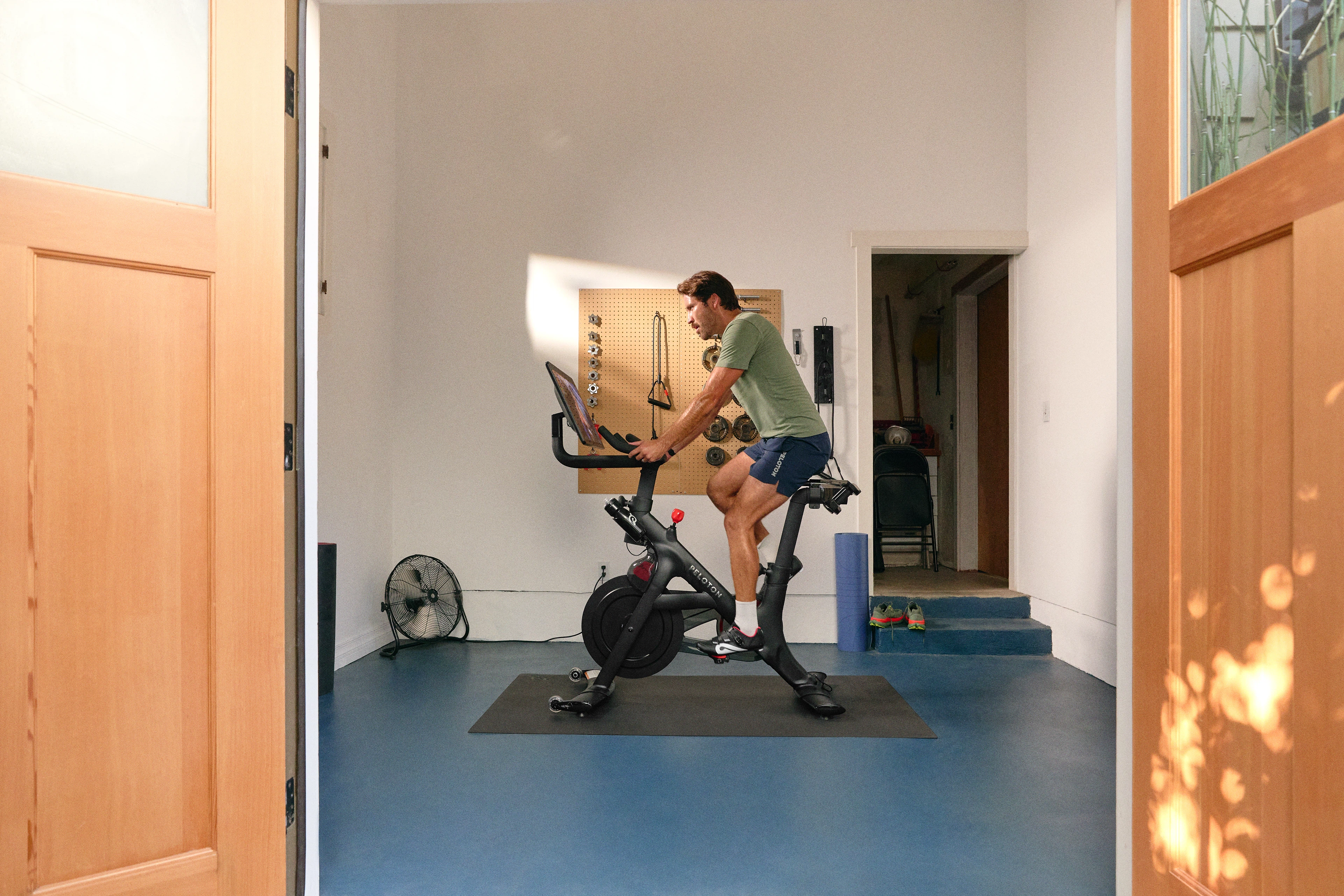
Cycling offers low-impact conditioning without stressing the joints.
Swimming (for trained swimmers) reduces muscle strain while engaging the whole body.
Rowing at an easy pace (for trained rowers) offers low-impact, full-body movement without overtaxing muscles.
What doesn’t work? Anything that spikes cortisol or leaves you feeling depleted. Dr. Charlotte advises avoiding sprints, HIIT classes, or long runs and rides. Keep in mind, if you don’t already row, run, or swim regularly, for example, those cardio activities could be too taxing on a rest day.
When You Should Skip Cardio on Rest Days
People tend to look forward to rest-day cardio workouts, says Dr. Charlotte. “We normally feel better during and after,” she explains. With this in mind, Dr. Charlotte says that dreading your rest-day cardio is a red flag and potential sign of overtraining. “It’s most important to listen to your body,” says Dr. Charlotte. “When you’re feeling physically run down, extremely sore, or you’re dreading movement in any way, skip it.”
If you’re on the fence and are looking for more objective signs you should sit it out, Dr. Charlotte recommends checking your resting heart rate. “When your heart rate is elevated, it can indicate a high stress level or illness,” she says. While she doesn’t rely on such smartwatch data alone, she uses it as a check: “If I feel bad and the data show me I should rest, I do,” she says.
Illness, especially fever or flu, is another clear reason to take a full break. “It’s crucial to fully rest [when you’re sick],” Dr. Charlotte stresses. And if you’re torn between getting in extra steps or extra sleep, she’s firm on her choice: “I always go for sleep—it’s the most important thing for our health.”
The Takeaway
Rest-day cardio isn’t about squeezing in another workout—it’s about recovery. When done at the right intensity, it can boost circulation, lift and stablizie your mood, and support long-term progress without compromising your training. The key, Dr. Charlotte says, is to keep it light, enjoyable, and aligned with your goals. And remember: If your body tells you it needs full rest, listen.
Ready to rest, actively? Try a walk, run, ride, or row on the Peloton App or the Peloton Bike, Tread, or Row. Look for Walking, Recovery Run, Low Impact Ride, Recovery Ride, or Recovery Row classes, which can keep it chill and support your recovery between tougher workouts. And for some non-cardio recovery support, try a yoga, mobility, or stretching class.
Just remember: Whatever you choose, keep it light and in zones 1–2 for the best recovery benefits.


This content is for informational and educational purposes only and does not constitute individualized advice. It is not intended to replace professional medical evaluation, diagnosis, or treatment. Seek the advice of your physician for questions you may have regarding your health or a medical condition. If you are having a medical emergency, call your physician or 911 immediately.

Level up your inbox.
Subscribe for a weekly dose of fitness, plus the latest promos, launches, and events.
By providing your email address, you agree to receive marketing communications from Peloton.
For more about how we use your information, see our Privacy Policy.