A Complete Guide to Bootcamp Workouts, Including How to Try Them with Peloton
Learn what bootcamp workouts can do for your body, and how to get started.
By Amy Gurvitz, Lucy Regan, and Team Peloton•
What Is a Bootcamp Workout?
Benefits of Bootcamp Workouts
Who Should Try Bootcamp Workouts?
Types of Bootcamp Workouts to Try with Peloton
If you’re looking for a workout that packs maximum punch in an efficient amount of time, bootcamp workouts are the way to go. You’ll get your heart rate up through explosive cardio moves while also building stronger muscles through strength training.
Still curious about why you should try bootcamp? We’ve got science-backed reasons why you should give the workouts a try, along with information about all the different types of Peloton bootcamp classes to check out.
What Is a Bootcamp Workout?
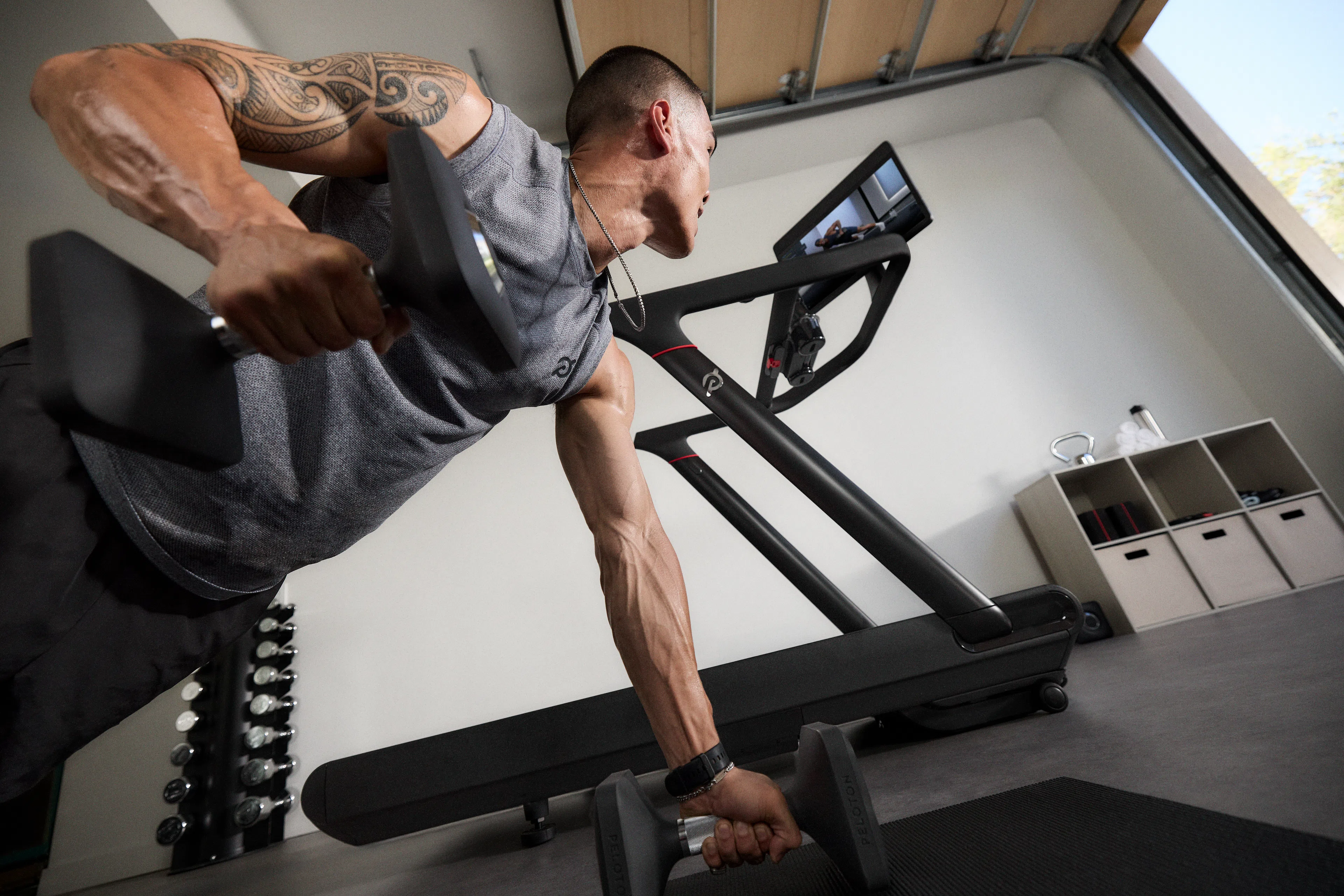
In a nutshell, bootcamp classes are structured workouts that combine cardio and strength training in a single session. As the name suggests, these classes originally had functional, military-style movements incorporated into the routine. Bootcamp workouts may be done as a circuit, where you’ll quickly move from one station or exercise to the next. Or, in the case of Peloton's bootcamp classes, you’ll alternate between two types of exercise (for example, sprints on the treadmill and then strength exercises on the floor).
Most bootcamp classes require equipment, though it's possible to do a bootcamp workout without any equipment at all. For a Peloton Bike Bootcamp, Tread Bootcamp, or Row Bootcamp class, for example, you'll need a stationary bike, treadmill, or rower, respectively—plus, dumbbells and a mat. Other Peloton classes, like Boxing Bootcamp, just require weights and a mat. There are also Bodyweight Bootcamp classes available that use just your cardio equipment, but no weights.
The goal of bootcamp workouts is to maximize multiple aspects of fitness in one session: You’ll build strength, raise your heart rate, and challenge your body in new ways. “It has helped me learn new exercises I would not have done on my own, especially core work,” says Brian A., a Peloton Member who regularly takes bootcamp workout classes.

Peloton App
Access thousands of classes with no equipment needed.
Benefits of Bootcamp Workouts
The payoff of bootcamp workouts is significant. You’ll get stronger, fitter, and feel better too. Let’s take a closer look at the many ways you can benefit from these classes.
Bootcamp Could Help You Live Longer
Research in the British Journal of Sports Medicine shows that people who pair cardio with strength training as part of their weekly exercise routine have a lower mortality risk than those who did just one or the other form of exercise (or none at all). By combining cardio with strength training in a single session (sometimes called hybrid training) you're efficiently covering both in one workout.
Bootcamp Gives Your Metabolism a Boost
“Bootcamps are HIIT, which means you're still burning calories and increasing your metabolic rate even after the workout is over,” says Peloton instructor Jess Sims. Also, the strength training sections build muscle, and the more muscle you have, the higher your metabolism will be.
Bootcamp Builds Strong Bones
Strength training has been shown to reduce the risk of osteoporosis and lower the likelihood of fractures by maintaining bone density, which is important as you age. Moreover, resistance training does more than just strengthen your bones; research shows that it also builds functional muscle mass, which in turn supports bone health.
Bootcamp Is Highly Efficient
By combining strength and cardio into one workout, you get both done in less time—no need to show up for two separate workouts. Not to mention, no second is wasted in bootcamp, including the transition time from your Peloton Bike, Tread, or Row to the mat, and vice versa. Those are your recovery intervals. “Time is a nonrenewable resource,” Jess says. “I always promise not to waste your time, so you shouldn’t waste your own time either!” By ensuring your body is in near-constant motion, you keep your heart rate elevated and squeeze more exercise into a shorter period of time.
Bootcamp Works Your Entire Body
By stressing several muscle groups in a single workout, you’ll save time while getting an excellent overall sweat session. “I know I’ve worked hard when I can’t tell which part of the body is most sore after my workout,” Jess says. “Running is a full-body workout, but you don’t necessarily know how much you use your upper back to swing your arms until you’ve done some renegade rows on the floor.”
Bootcamp Might Lower Your Cancer Risk
Research shows that regular strength training can help lower the risk of certain cancers. In the American Cancer Society (ACS) guidelines for diet and physical activity for cancer prevention, the ACS concluded that aerobic exercise may reduce your risk for breast, liver, lung, and prostate cancer (among others), due to its ability to regulate certain hormones associated with cancer development, lower obesity (a known cancer risk factor), and keep the immune system healthy.
Bootcamp Keeps Exercise Boredom at Bay
If you’re looking for a workout that doesn’t drag and keeps you engaged, bootcamp workouts could be for you. “I like to say that by the time you realize how tough something is, it’s over,” Jess says. “Lock in and push hard during each segment of the workout, because you know you’ll get that recovery as you transition to and from cardio and the floor.”
Research in Frontiers in Psychology shows that exercise enjoyment is one of the biggest predictors of whether someone sticks with their exercise routine, so if you find bootcamp workouts enjoyable, they could be key to helping you stay consistent and see results from all your hard work.


Who Should Try Bootcamp Workouts?
Anyone can try these highly effective classes, but they're especially worthwhile for people who don't have much room in their schedule for exercising. “We are all super busy and don’t want to have to choose between cardio or strength,” Jess says. “Bootcamps are beautifully designed so that the floor and cardio portions go together—like spaghetti and meatballs—to ensure you get a complete workout.”
These classes are aimed at exercisers who want to take their workouts to the next level, so if your goal is to get fitter and faster, fitness bootcamp will likely be worth your time. They're also great for anyone who's looking to shake up their usual routine.
One thing to keep in mind, however: Bootcamp workouts are invigorating but they're also hard, so you’ll want to make sure you have a decent base of fitness first. For example, if you'd like to try a Peloton Tread Bootcamp class, it's best to feel comfortable lifting weights and running on the treadmill separately before you try to pair them together. If you’re brand new to working out or coming back from an injury, it’s safest to start with more moderate forms of exercise before diving into bootcamp. (When in doubt, consult your doctor to see if bootcamp workouts are right for you.)
Types of Bootcamp Workouts to Try with Peloton
So you're finally ready to try a bootcamp workout. Luckily for you, Peloton has a wide variety of classes to choose from, featuring instructors who will guide you through the movements and motivate you to push yourself above and beyond.
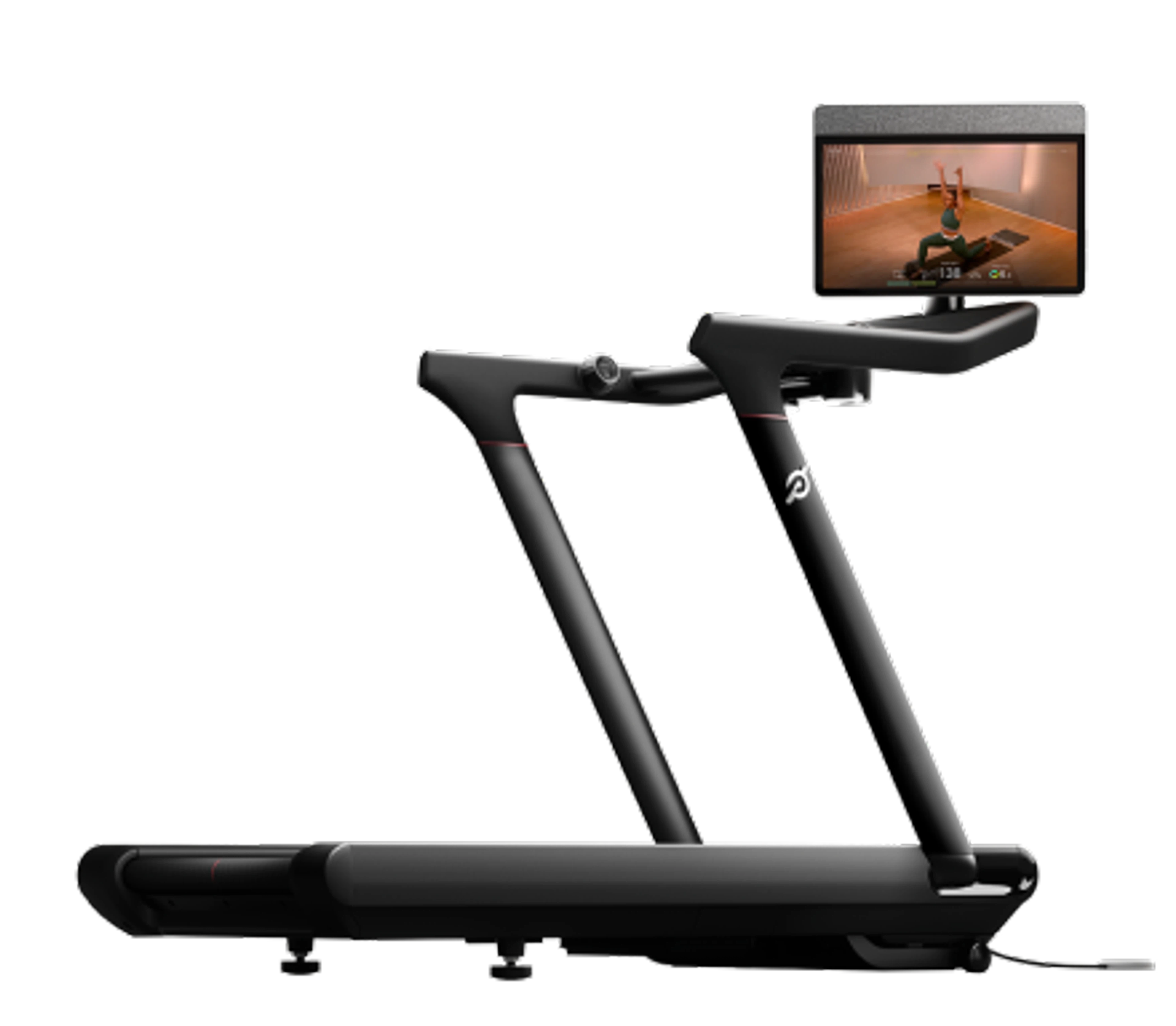
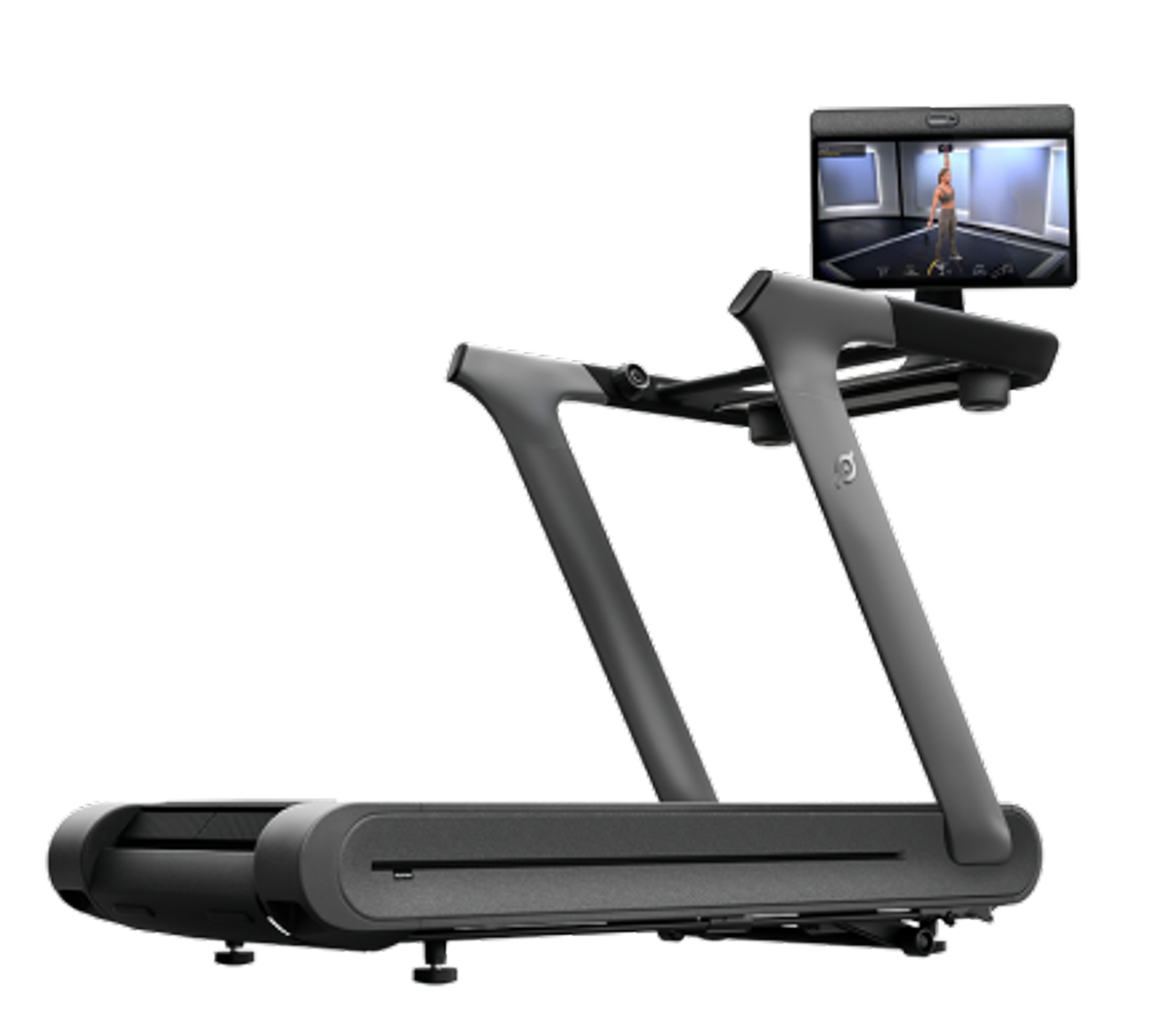
Pro tip: With any of Peloton's Cross Training Series equipment, the swivel screen makes it easy to transition from your Bike, Tread, or Row to the mat. On the Cross Training Bike+, Tread+, and Row+, additional strength features powered by Peloton IQ, such as Form Feedback and Rep Tracking, will ensure you're getting the best workout possible.
Here are some of the bootcamp classes you'll find on the Peloton platform.
Bike Bootcamp
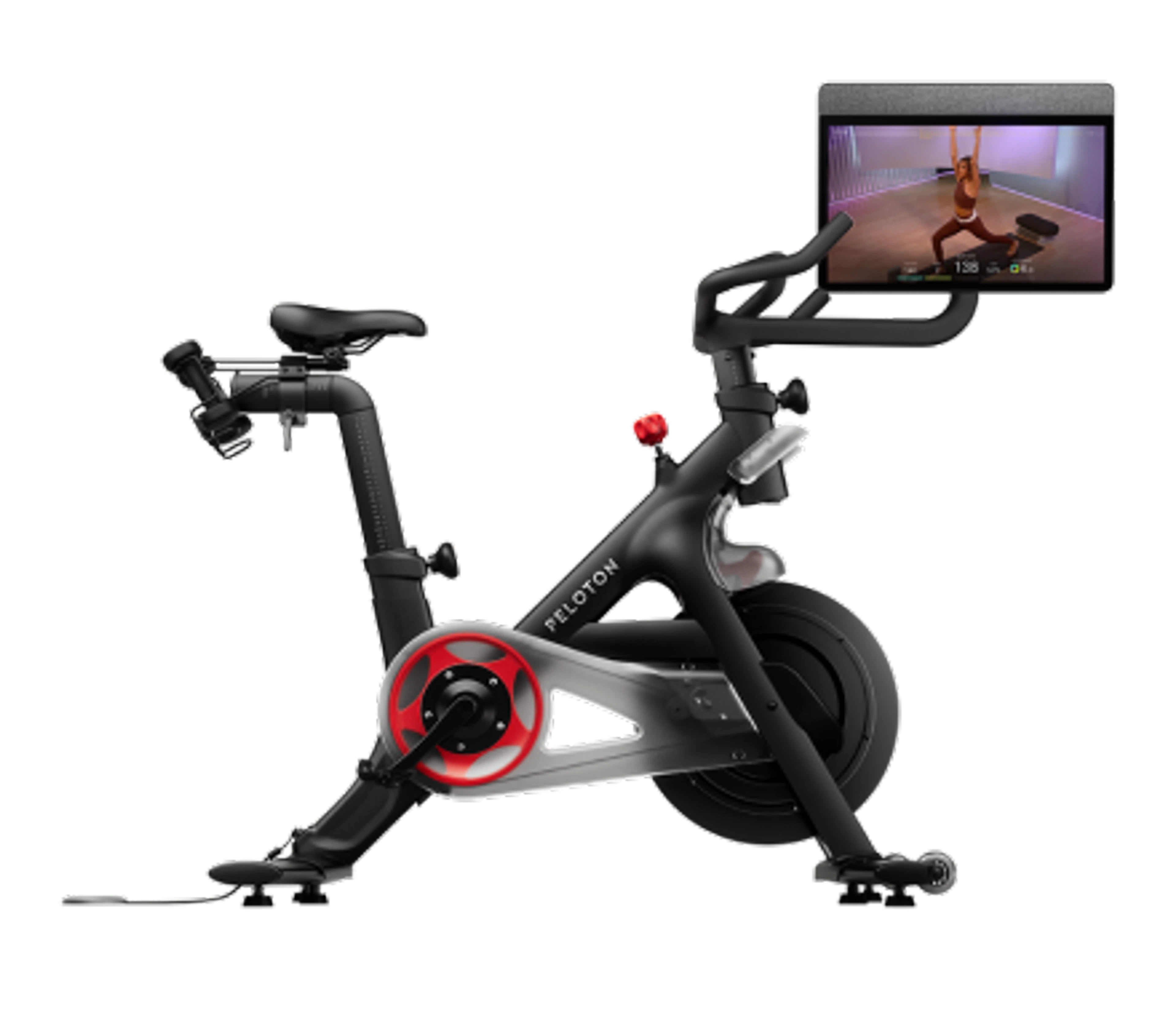
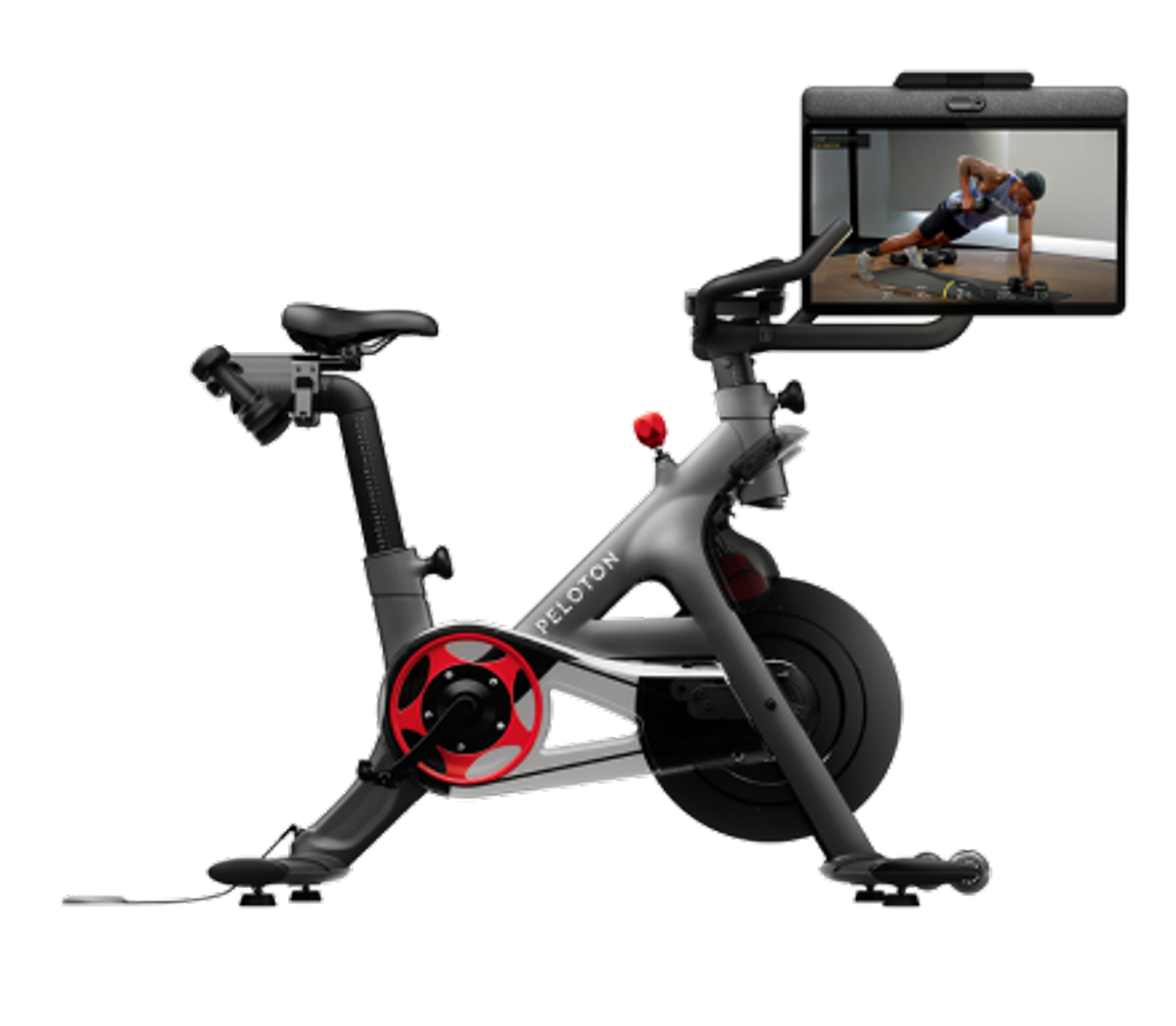
In Peloton Bike Bootcamp classes, you'll alternate between cardio intervals on the Bike and strength work on the floor. You may notice a couple different types of Bike Bootcamp classes, including:
Bike Bootcamp: The classic version of Peloton's Bike Bootcamp, you'll hop on and off the bike, spending time on both cardio and strength. You'll find Bike Bootcamp classes with different themes, body part focuses, and in various lengths.
50/50: Rather than hopping on and off the Bike, the class is split into two, with one section on the Bike and one section on strength. You'll spend about half your time on the Bike and the other half doing strength moves on the floor.
Try a Bike Bootcamp Class with Peloton


Tread Bootcamp
These high-energy workouts blend cardio work on the treadmill and strength training on the mat. And contrary to what you might think, you don't need to be a runner to try Tread Bootcamp—there are walking and hiking options too. Here are some types of Tread Bootcamp classes you might see in the Peloton App or on your equipment:
Tread Bootcamp: The classic version of Peloton's Tread Bootcamp involves stepping on and off the treadmill for running and strength intervals of varying lengths. There are Tread Bootcamp classes available with different themes, body part focuses, and lengths.
HIIT Bootcamp: These Tread Bootcamp workouts turn up the pace with higher-intensity running intervals and more heart-pounding strength moves.
50/50 Bootcamp: Instead of switching back and forth between running and strength, this workout is divided in two. You'll spend half your time on the treadmill and the other half doing strength moves on the floor.
Walking Bootcamp: These low-impact workouts focus on walking during the cardio portions.
Hiking Bootcamp: Prepare for steep inclines on your treadmill during the cardio sections of these classes.
HYROX Bootcamp: If you're training for (or just curious about) a HYROX race, these bootcamp classes are for you. They pair running with floor circuits designed to help you build strength and stamina for race day.


Row Bootcamp
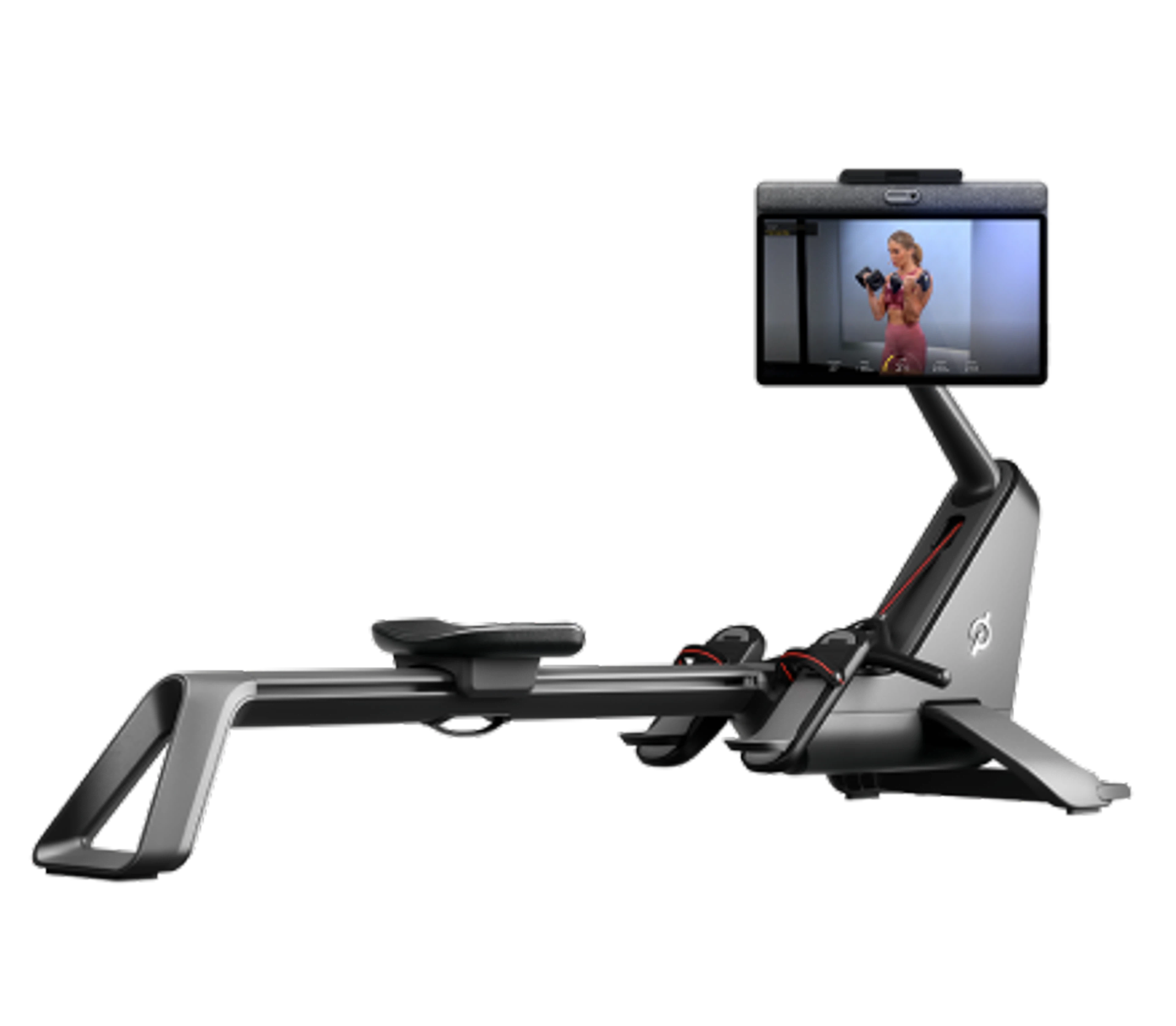
Is rowing your cardio workout of choice? Here are some of the Row Bootcamp class options on your Peloton Row or the Peloton App:
Row Bootcamp: Row Bootcamp involves getting on and off your rower, performing rowing and strength intervals of varying lengths. There are Row Bootcamp classes available with different themes, body part focuses, and lengths.
HIIT Bootcamp: These Row Bootcamp workouts turn up the heat with higher-intensity rowing intervals to build explosive power.
50/50: Instead of switching back and forth between rowing and strength, you'll spend half your time on the Row and the other half doing strength moves on the floor.
Try a Row Bootcamp Class with Peloton


Boxing Bootcamp
Boxing Bootcamp classes combine shadowboxing and strength training to leave you feeling sweaty and strong. They tend to focus on specific areas of the body, like your lower body, upper body, or core. To find them, filter for Boxing Bootcamp under the Strength class category.
Floor Bootcamp
Another option for those without a piece of cardio equipment, Floor Bootcamp classes require just weights and a mat. You'll find these classes exclusively in the Floor Bootcamp programs taught by Jess and fellow Peloton instructor Selena Samuela.
To give the new Peloton Cross Training Series a try, visit your local Peloton store or retail location, or book a virtual appointment with an expert.
This content is for informational and educational purposes only and does not constitute individualized advice. It is not intended to replace professional medical evaluation, diagnosis, or treatment. Seek the advice of your physician for questions you may have regarding your health or a medical condition. If you are having a medical emergency, call your physician or 911 immediately.

Our Products
Level up your inbox.
Subscribe for a weekly dose of fitness, plus the latest promos, launches, and events.
By providing your email address, you agree to receive marketing communications from Peloton.
For more about how we use your information, see our Privacy Policy.