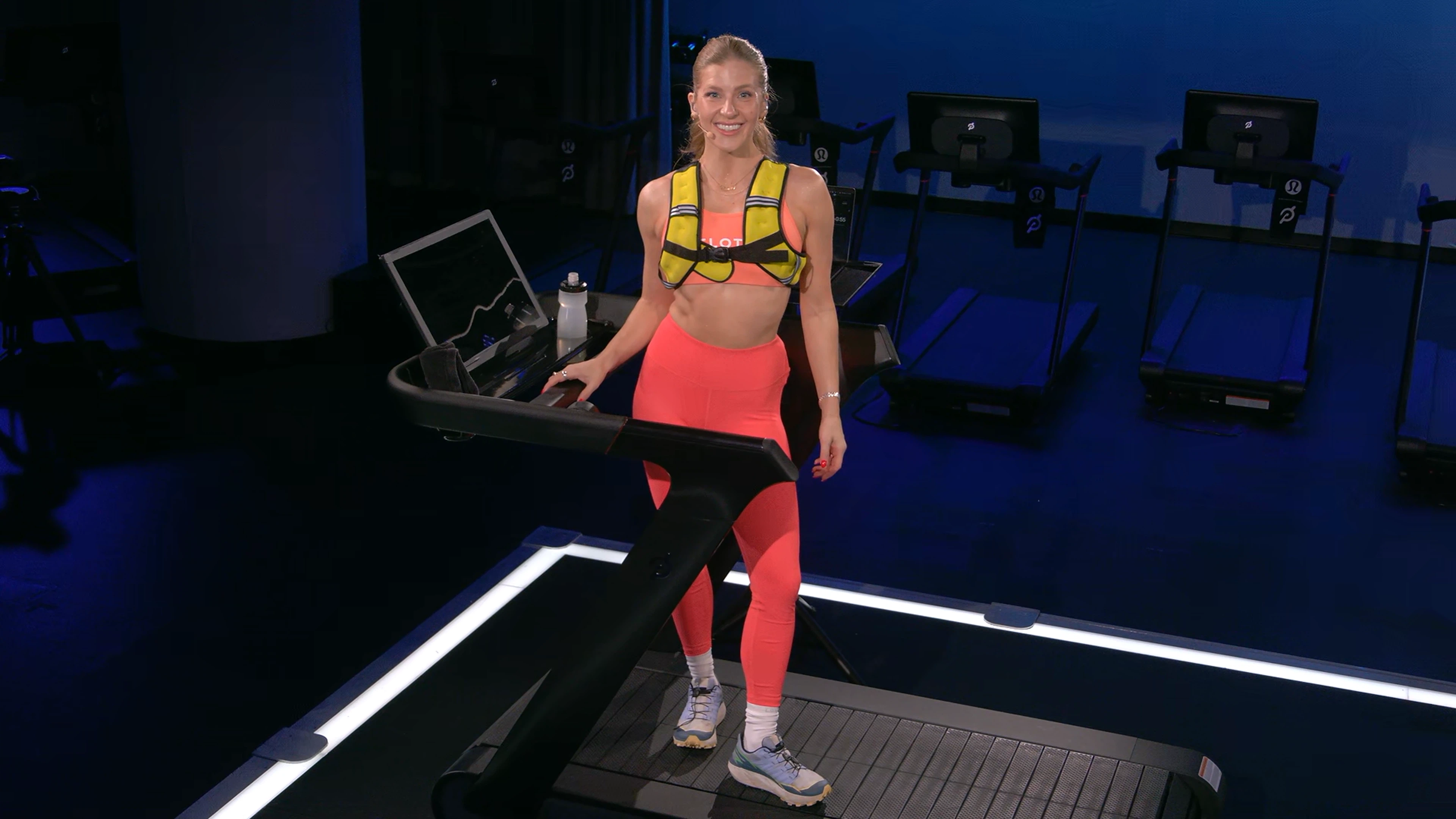
Why Everyone Is Walking In Weighted Vests Right Now—and What to Know Before You Try It
Layering on a weighted vest can make a surprisingly big impact.
By Elizabeth Millard•
The Benefits of Walking with a Weighted Vest
The Potential Drawbacks of Walking with a Weighted Vest
How to Choose the Right Weighted Vest for You
Tips for Getting Started with Weighted-Vest Walking
How Often Should You Walk with a Weighted Vest?
Functional fitness gear and trends come and go—vibrating belts used to be a thing, after all—but some equipment sticks around for the long haul, thanks to ease of use and results. Take, for instance, kettlebells, medicine balls, and resistance bands. One more that's likely to have staying power? Weighted vests.
Exactly as the name implies, weighted vest are vests that hold weight; they either come with weights already incorporated into them or have pockets where metal plates or small sandbags can be added. They come in a variety of weights and styles, from a minimalist vest that looks similar to a hydration backpack to a larger kind that seems like body armor. Generally, the vests are adjustable so they fit close to the body—for example, with Velcro straps around the bottom, or buckles that let you shorten the shoulder straps.
No matter what style or weight configuration, these vests have become popular for good reason: They’re easy to put on before you head out for a walk or even to do household chores, and they come with significant advantages. Here's a look at the benefits of walking with a weighted vest, potential drawbacks, and how to use them most effectively.

Peloton App
Access thousands of classes with no equipment needed.
The Benefits of Walking with a Weighted Vest
Walking with extra weight—a practice sometimes called “rucking”—turns a simple stroll into a full-body challenge that offers some serious perks, according to Peloton instructor Logan Aldridge. Research has noted that these advantages are fairly wide-ranging, giving you quite a boost from adding just a little weight to your workout.
Boosts Calorie Burn and Energy Expenditure
The added load makes your body work harder, potentially increasing energy burn compared to regular walking, Logan notes. “It’s a smart way to torch more calories without needing to run or hit the gym hard,” he adds.
Research shows you can burn up to 40 percent more calories than walking unweighted, agrees Lindsy Jackson, doctor of physical therapy and owner of Movement Managed Physical Therapy. “It’s like stealth cardio, especially if you’re short on time,” she says. A study in The Lancet found that when adults with obesity wore weighted vests for 8 hours per day, they lost an additional three pounds of fat over three weeks compared to those who were carrying less weight—while still maintaining muscle mass. However, keep in mind that most people aren’t likely to wear a weighted vest for such a long period of time, Jackson notes.
Builds Muscle Strength and Bone Density
Walking with a weighted vest targets your legs, core, and even upper body, stimulating muscle growth and bone remodeling in key areas like the hips and spine—all of which is great for long-term health, especially as you age, Logan says.
For example, a 2018 study published in the Journal of Osteoporosis and Physical Activity tasked older adults with wearing weighted vests daily (building up to a maximum of 10 hours per day) for 22 weeks while also undergoing a weight-loss diet. It found that the weighted vests helped participants maintain bone mineral density in their hips and spine, even as they were losing weight—an important consideration, since weight loss can often lead to lower bone density, the researchers noted.
Over time, the combination of better muscle tone and bone health can increase functional strength, making everyday things like climbing stairs or carrying groceries easier, Jackson adds.
Improves Cardiovascular Health
Wearing a weight vest while walking increases the challenge placed on your heart and lungs, even without needing to increase your pace to a jog or run. As a result, your heart pumps harder to handle the extra effort, enhancing endurance and overall heart function, Logan explains. “Walking with added load elevates your heart rate and VO2 max (how much oxygen your body can use), but without the harsh impact of running,” Jackson adds. “That’s great for those wanting aerobic benefits minus joint pounding.”
In fact, research published in Medicine & Science in Sports & Exercise found that walking with a weighted vest at slower speeds can result in exercise intensities comparable to those at higher speeds, helping people to reach the necessary threshold to improve aerobic fitness without increasing their pace. Another study on normal-weight women with obesity (who were not overweight but had a high body fat percentage) found that two months of full body circuit training with a weighted vest resulted in more substantial improvements in cardiovascular risk factors compared to circuit training with bodyweight only. For instance, the weighted vest training reduced insulin resistance (a risk for cardiovascular disease), and improved VO2 max.
Enhances Core Stability
Wearing a weighted vest forces more engagement from your muscles, firing up your core and lower body for improved stability, Logan says. “As someone who’s adapted to training with one arm, I love how it builds that foundational strength without fancy equipment,” he adds. “It’s like adding resistance training to your cardio—efficient and accessible for all levels.”

The Potential Drawbacks of Walking with a Weighted Vest
No workout gear or exercise routine is perfect, and weighted vest walking has its hurdles, Logan says: “The key is listening to your body—I’ve learned that the hard way in my own training.” Even small changes in load can create stress if you’re not mindful, Jackson adds.
Here are the potential drawbacks of walking in a weighted vest that you should know about (including how to mitigate your risk):
Risk of injury and joint stress: “Too much weight or poor form can strain knees, hips, back, or ankles, leading to tendon or ligament issues or even stress fractures,” Logan says. “If you’re new [to exercise] or have pre-existing conditions like joint problems, skip it or consult a doc first.”
Poor posture and movement issues: An ill-fitting vest might throw off your alignment or restrict your movement, causing back pain or discomfort, Logan says. Jackson notes that you may also experience chafing if the vest doesn’t fit well, and that can throw off your form. For example, you may slouch, round forward, or lean to one side to compensate, and that could strain your neck or lumbar spine.
Overtraining and fatigue: Using a weighted vest too often without enough recovery can lead to muscle soreness, exhaustion, or breathlessness, Logan says. Adding too much weight too soon can also amp up the risk. Where you may notice overtraining first is in tendon flare-ups, which could show up as achy joints (including the knees, hips, ankles, or shoulders), Jackson says.
Discomfort in practice: Chafing or heat buildup (especially in warm weather) can make walking in a weighted vest less enjoyable, Logan says. Start with shorter sessions so you know how to layer it with clothing and adjust it comfortably before you head out on a particularly long or hot walk.
Keep in mind, too, that weighted vests aren’t appropriate for everyone, Jackson notes. If you have joint instability, a history of back issues, or balance concerns, check with a physical therapist or healthcare provider before using one, or before adding load.
How to Choose the Right Weighted Vest for You
Picking the right vest is crucial for comfort and safety—think of it as gear that fits your body like a glove, Logan suggests. Some factors that he recommends focusing on are:
Weight adjustability: Go for a vest that allows you to add or remove weights (like sandbags or plates) so you can start light and progress, Logan says. Beginners should aim to wear a load that’s 5–10 percent of their bodyweight. Once you’re more advanced, you can bump that up to 10–20 percent.
Fit and comfort: A weighted vest should hug your torso evenly without shifting. “Look for adjustable straps, breathable material, and padding to avoid chafing,” Logan says. “Women might want vests designed for curves.”
Purpose and durability: For walking, choose a vest that’s advertised as solid for hikes or sprints, with good weight distribution. “If you’re mixing in bodyweight exercises, ensure it’s versatile,” Logan adds.
Budget and reviews: “Prices vary, but invest in quality—check for molded straps and zero-irritation designs,” Logan says. “Read user feedback on fit for your body type. Test it out if possible; a bad fit can kill your motivation.”


Tips for Getting Started with Weighted-Vest Walking
While you might be tempted to grab the heaviest weighted vest you can find and take off on a long walk, resist that urge, Logan advises. “Progression is all about consistency and patience—I’ve built my strength by scaling up gradually, and it pays off,” he says. Here’s a roadmap for getting started and building up over time:
Start with a modest weight and shorter walks. Begin with a vest that’s 5–10 percent of your body weight (e.g., 10–20 pounds for a 200-pound person). At first, try walking for five to 10 minutes at your normal pace on flat ground, Logan says.
Don’t forget to warm up and cool down. Logan recommends warming up without the vest, and cooling down with stretches post-walk. Not sure where to start? Cue up a warm-up or cooldown class on the Peloton App.
Focus on form. Keep your core engaged and your spine tall with good posture. That means no forward leaning or rounding your shoulders.
Level up strategically. Every one to two weeks, increase the challenge by changing one variable at a time, Logan suggests. That means bumping up weight, distance, or speed—but not all three.
Mix in hills or intervals. After you’ve taken the time to increase all the variables, mix in interval training—such a brisk walking interspersed with a more leisurely pace—or doing inclines. Logan recommends tracking your heart rate to stay in a moderate intensity zone.
Looking for more guidance? Check out the Weighted Vest Walks collection on the Peloton App, which includes treadmill classes and outdoor walks suited for wearing a weighted vest.
How Often Should You Walk with a Weighted Vest?
“Don’t overdo it—recovery is where the magic happens,” Logan says. He recommends starting with one to two sessions per week to let your body adapt. As you build tolerance, bump to two to three times weekly, but alternate with unweighted walks or rest days to avoid overtraining, he says.
“The bottom line is to start light, build slowly, and prioritize form,” Logan says. “If something feels off, dial it back—fitness is about progress, not pain.”


This content is for informational and educational purposes only and does not constitute individualized advice. It is not intended to replace professional medical evaluation, diagnosis, or treatment. Seek the advice of your physician for questions you may have regarding your health or a medical condition. If you are having a medical emergency, call your physician or 911 immediately.

Level up your inbox.
Subscribe for a weekly dose of fitness, plus the latest promos, launches, and events.
By providing your email address, you agree to receive marketing communications from Peloton.
For more about how we use your information, see our Privacy Policy.