
Jordi Salas via Getty Images
What Is Training Volume? Meet the Metric That Shows Your Big-Picture Strength Gains
Learn how tracking volume can help you build muscle safely and avoid training burnout.
By Andrew Gutman•
What Is Training Volume?
Why Does Training Volume Matter?
How to Measure Training Volume
How to Use Training Volume to Guide Your Strength Routine
When Not to Focus on Volume Training
How Peloton Can Help You Track Training Volume
When you first start working out, you can walk into the gym, lift some weight for a few reps, move to the next exercise, and still make progress (that’s courtesy of a little something called “newbie gains”). But after a few months, your strength gains may slow, your muscle growth may stall, and you might realize the “just wing it” strategy isn’t working anymore. That’s the moment when you need to start paying attention to training volume.
It may sound lame, but strength training is one big equation. You choose a weight, perform a certain number of reps, and try to do a little more than last time. That incremental increase is what drives changes in strength, muscle, and endurance. Whether you pay attention or not, you’re accumulating a certain amount of training volume. However, if you’re not tracking that volume, it can be difficult to know whether you’re actually progressing or just going through the motions.
To help you understand training volume and how to use it to keep making gains, we spoke to Peloton instructor Assal Arian and Alex Rothstein, a certified exercise physiologist and the program coordinator of exercise science at the New York Institute of Technology.
What Is Training Volume?
Training volume refers to the total amount of weight you lift per session, calculated by multiplying the total number of sets and reps by the amount of weight you lifted. For example, if you perform 3 sets of 8 reps with 135 pounds for the bench press, your total volume will be 3,240 pounds (3 sets x 8 reps x 135 pounds).
Training volume is primarily used in the context of strength training, though it can also refer to the amount of training done in other workouts, like minutes cycled or miles run per week.

Peloton App
Access thousands of classes with no equipment needed.
Why Does Training Volume Matter?
“Training volume gives you a clear picture of the total work you’ve done,” Assal explains. “It helps ensure your effort matches your goal. Without it, you risk doing too little and getting stuck, or doing too much and burning out quickly.”
Tracking your training volume gives you an objective way to measure how much you're lifting from workout to workout. It shows you whether or not you’re progressing your lifts—which, no matter your strength goals, is essential for getting results.
Whether you’re looking to increase your endurance, maximal strength, or muscle mass, you must ensure your sets, reps, and weights are tracking up over time to continue to see results. The reason? Every time you expose your body to a new challenge (whether it’s a new exercise or more sets, reps, or weight), it’s pushed to adapt to those new demands. This principle is called progressive overload, and it’s the primary way to continue to elicit physical changes from your training.
How to Measure Training Volume
Start recording every set, rep, and the amount of weight used for each exercise. To find your overall training volume, use the formula mentioned earlier: sets x reps x weight.
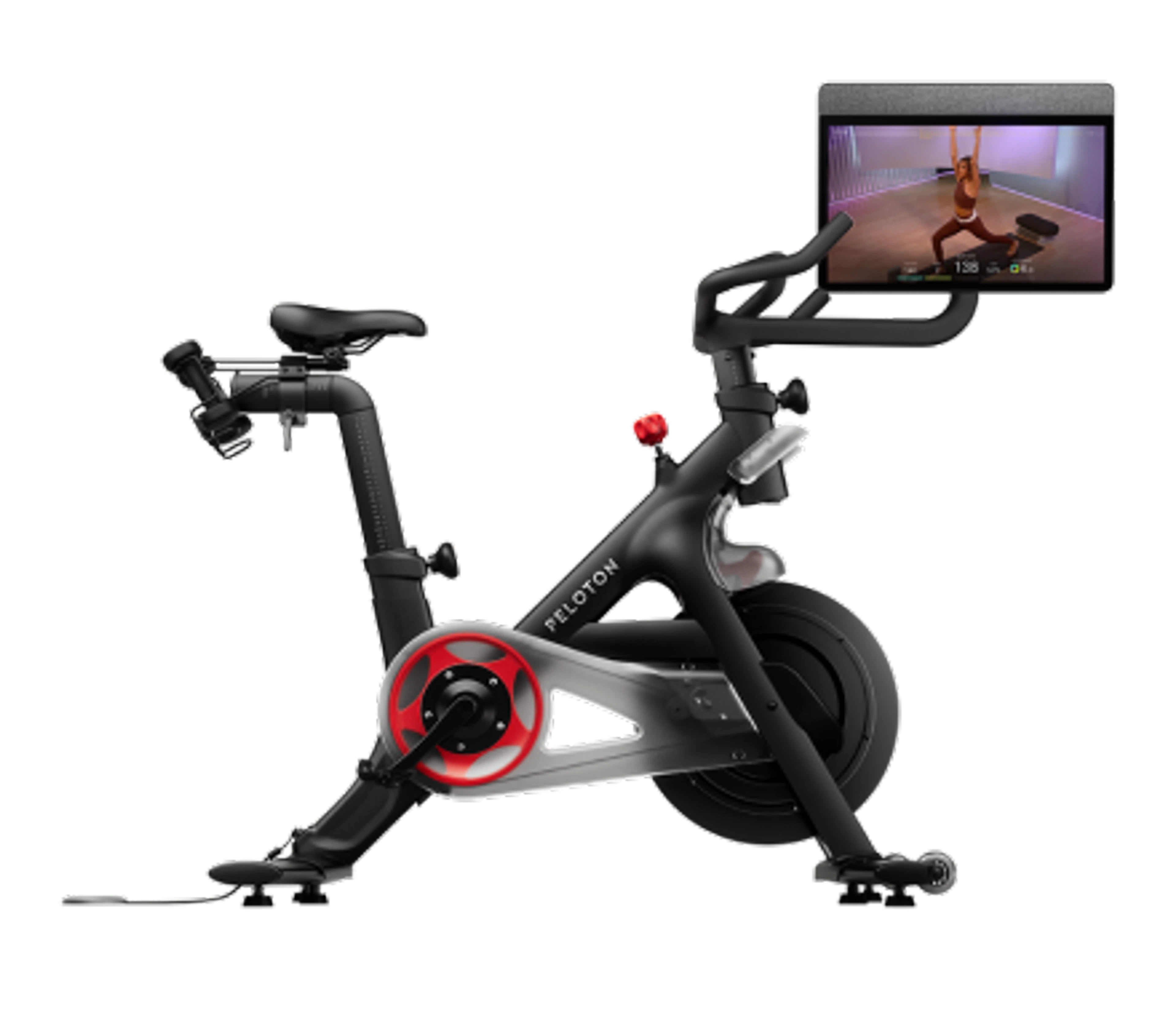
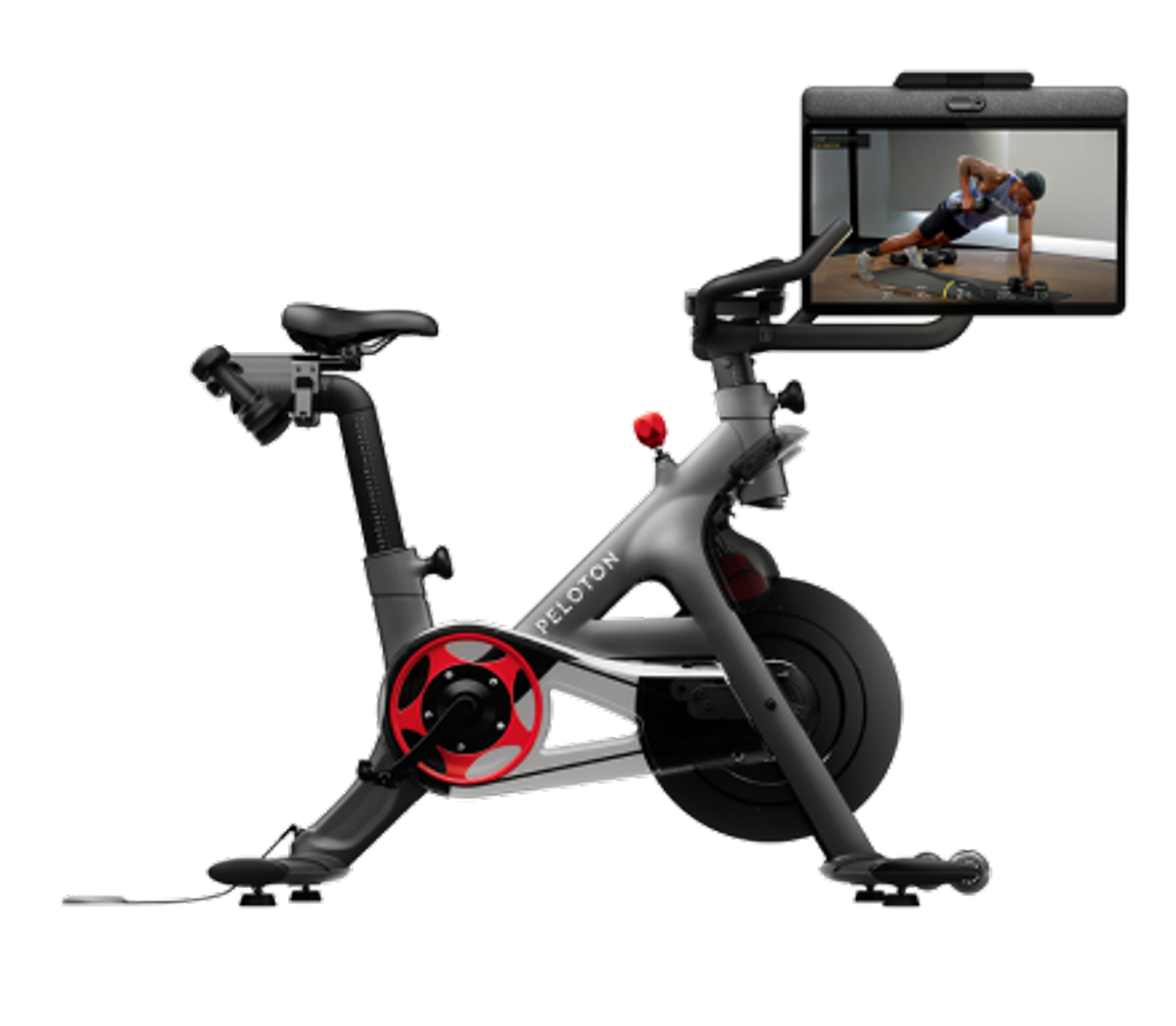
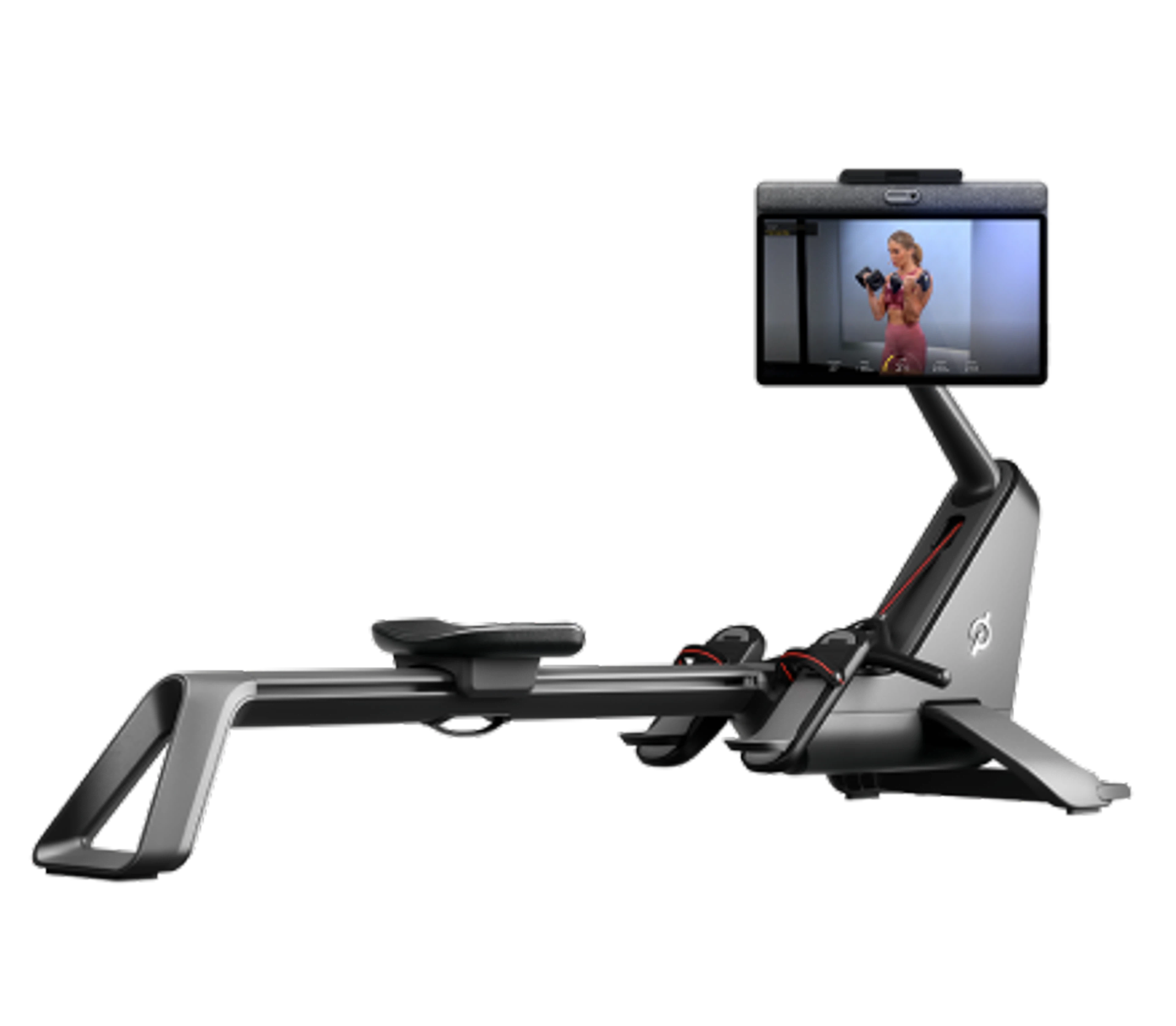
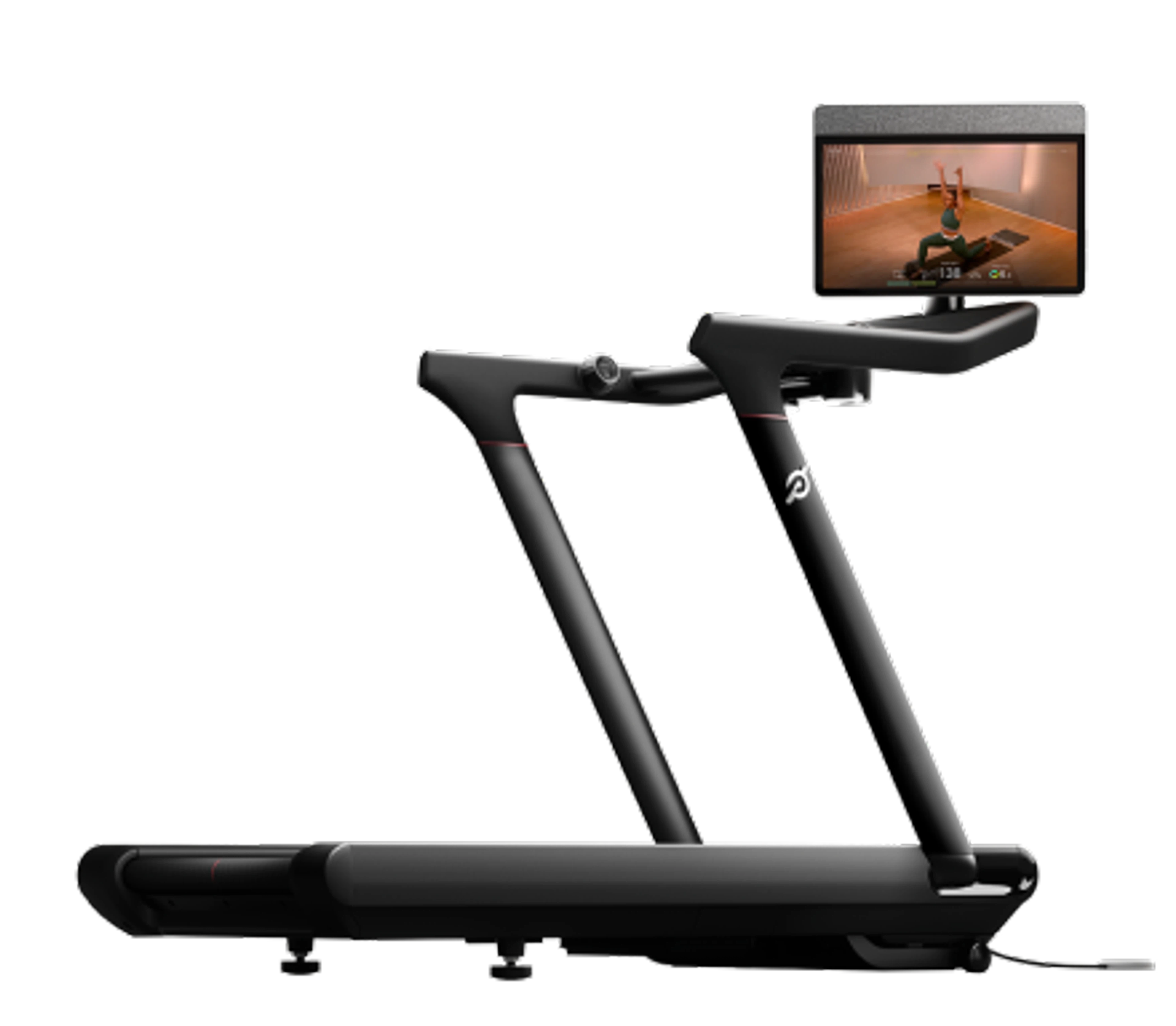
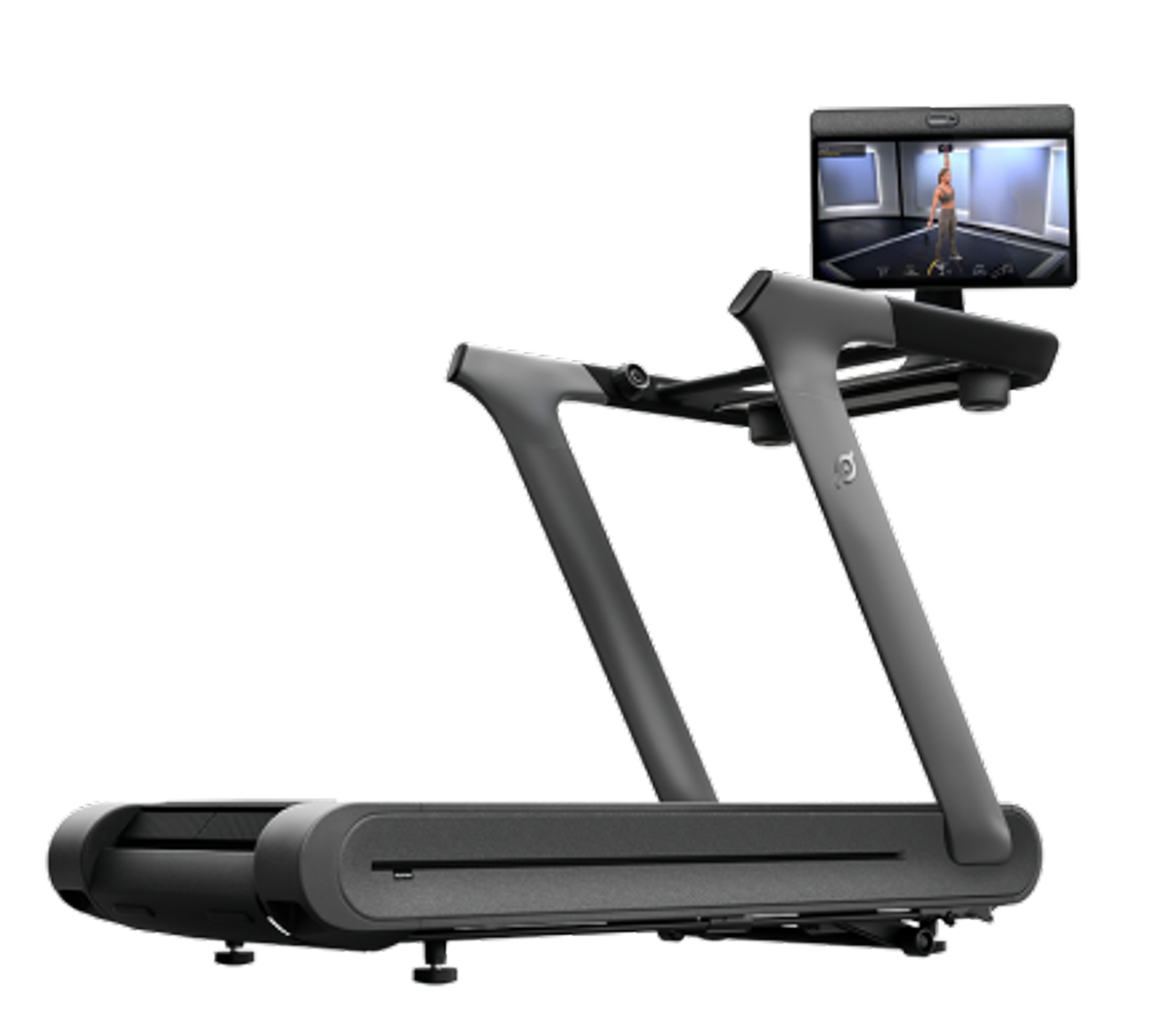
To keep track, you can use a journal, keep a note on your phone, or turn to an app, like Peloton’s Strength+, which records all of those metrics and shows your progression over time. Or, on the Peloton Cross Training Bike+, Tread+, and Row+ powered by Peloton IQ, the Movement-Tracking Camera and digital weight tracking will automatically calculate your training volume during movement-tracking-enabled strength workout.
Practically, you don’t need to obsess over that total number. What matters more is finding your current baseline for each exercise and then gradually increasing your reps or weight from there. If those numbers climb, your overall volume will too—and that’s what drives progress.


How to Use Training Volume to Guide Your Strength Routine
So, where do you start? Is there a certain training volume you should aim for?
For beginners, Assal recommends focusing on consistency rather than obsessing over numbers. Once you’ve built a solid foundation, adjusting volume becomes a powerful way to keep advancing.
Otherwise, “the answer is, unfortunately, that it depends tremendously,” Rothstein says. The good news is that as long as you’re working hard, you’re likely to see progress. Even just one set has a benefit—especially for beginners, or even for advanced individuals (it just has to be a very hard set), Rothstein continues.
Research backs this up. A 2018 study published in Medicine & Science in Sports & Exercise found that, during an eight-week program, experienced lifters made strength and endurance gains across three volume levels: low volume (1 set per muscle per workout), moderate volume (3 sets), and high volume (5 sets). For muscle growth, however, more sets led to greater gains.
With that in mind, here’s how you can gauge which training volume might work best for you.
Start with Your Experience Level
A good rule of thumb is for beginners to aim for 6–8 sets per muscle per week, intermediate lifters should aim for 10–12 sets, and advanced lifters can aim for 15+ sets. Start low and progress upwards.
As for your sets and reps per exercise, Rothstein suggests targeting every muscle twice a week with 3–4 sets of 8–12 reps, taken two to three reps short of failure (meaning, you feel like you could only do a few more reps before you’d have to stop). If you start there and focus on progressing your reps and weights, you’ll build muscle, gain strength, and improve your muscular endurance.
Optimize Based On Your Goal
To tailor your volume and intensity to your goal, Assal recommends following these general guidelines, which align with recommendations set by the National Academy of Sports Medicine (NASM):
If your goal is to build maximal strength (lift heavier)... lift heavier weights and fewer reps (e.g., 4–6 sets of 1–5 reps at 85–100 percent of your one rep max, or 1RM).
If your goal is hypertrophy (building muscle mass)... lift moderate weights for moderate reps (e.g., 3–5 sets of 6–12 reps at 75–85 percent of 1RM).
If your goal is to increase endurance (improve stamina)... lift lighter weights for higher reps (e.g., 1–3 sets of 12–20 reps at 50–70 percent of 1RM).
Strategically Progress
As your body adapts, the reps and weights will eventually feel easier; that’s your cue to progress by increasing your training volume. Rothstein recommends adjusting one variable at a time: “Add a set, a few reps, or a small increase in weight, but never all at once.”
Here’s how this looks in practice:
Week 1: 15 pounds for 3 sets of 10 reps
Week 2: 15 pounds for 3 sets of 11 reps
Week 3: 15 pounds for 3 sets of 12 reps
Week 4: 20 pounds for 3 sets of 8 reps
You keep adding reps up to the top of your range, then increase the weight and reset your reps back to the bottom of the rep range. Keep repeating this cycle.
Switch Things Up If (or When) You Plateau
Most beginners (or people who start paying attention to progression) see rapid gains. Six reps quickly increase to 12 reps, and 10 pounds to 20. Eventually, though, your gains will stop, which is simply what happens when you get closer to your strength ceiling. This is called a plateau, and it’s a good opportunity to switch up your volume structure and temporarily chase a new goal.
Let’s say, for example, that you’ve been doing 3 sets of 8 reps of the barbell bench press with 135 pounds for a while. For the next four to eight weeks, do 8 sets of 3 reps. You’ll still hit 24 total reps, but by simultaneously increasing your sets and decreasing your reps, you can jack up the intensity (i.e., the weight on the bar).
You’ll increase your overall volume and your body will also become accustomed to handling heavier weights. After you revert to your typical rep scheme, you may even find yourself lifting a few pounds more than you were before.
One way to do this is by following a strength training program, such as those offered on the Peloton App or Peloton Strength+, which often run for 4–8 weeks. When you’re done, switch gears and offer your body a fresh challenge by starting a different plan.

Nortonrsx via Getty Images
When Not to Focus on Volume Training
To recap, increasing your sets and reps slowly and consistently over time is your path to greater gains. Your body adapts quickly to resistance training, so you need to increase the challenge to continue adapting gradually. But you’re not a robot, and there are moments when it’s not feasible or wise to keep pushing.
“There are phases when training volume should take a backseat,” Assal says. For example, one is when you’re in the final phase of a strength-building program. “If you’re peaking for a strength test, intensity takes priority, and your focus should be lifting heavier, not accumulating sets,” she says. Alternatively, if you’re strength training as part of marathon prep, there’s a point when you’ll want to dial back your strength training volume so you can focus on your runs.
The second scenario is when your body isn’t physically up to the challenge. “Volume is an important tool, but only if your body is in a position to adapt,” Assal says. “Knowing when to push and when to ease back is what makes training sustainable long term.”
So how do you know when to back off? Start by listening to how your body responds in the gym. If the same sets, reps, and weights suddenly feel heavier than usual, your motivation tanks, or you’ve been stuck at the same numbers for weeks, your body may need a break. Achy joints and nagging pain—both of which should be assessed by a doctor—are also signs to scale back.
Sometimes the most productive move is stepping off the gas. Planned “deload weeks”—brief periods of reduced volume or intensity every four to eight weeks—help you recover, come back stronger, and avoid burnout before it hits.
Strength training is a marathon. It’s easy to get caught up in improving every single week, but that’s not possible. Not only will taking a break for a few weeks now and then not hinder your progress, but it will also ensure you can keep advancing your gains for the long haul.
Rothstein adds that training isn’t just a numbers game: “There’s a balance between collecting data and… too much data where it’s causing paralysis by analysis. You don’t want to be tracking every single thing and burning yourself out.”
If you’re strength training regularly and pushing yourself when it feels right, you don’t necessarily need to worry about your training volume; it’s another measurement to have in your toolbox to help you see the bigger picture and how you progress.
Related Articles

Strength Train
Hypertrophy vs. Strength Training: Which Training Method Is Best for You?

Strength Train
Are You Training All of Your Muscle Groups? Here’s How to Do it—And Why it Matters

Cardio
Can Cardio Really “Kill” Your Gains? Exercise Science Experts Weigh In

Sculpt
How Much Strength Training Is Too Much? We Asked the Pros
How Peloton Can Help You Track Training Volume
On the Peloton Cross Training Bike+, Tread+, and Row+, Peloton IQ can do all the training volume math for you; using movement, rep, and digital weight tracking, Peloton IQ automatically calculates your training volume during movement-tracking-enabled strength workouts.
If you consistently repeat the same movement-tracking strength workout, you’ll also be able to see a chart of how your training volume fluctuates over time. Peloton’s strength benchmark classes offer the perfect opportunity to test and retest your strength every few weeks or months so you can see how your volume levels up or changes based on your training goals.
For more guidance on how to build your training volume, strength, and endurance, consider one of the many multi-week instructor-designed strength training programs on the Peloton App or Peloton Strength+. The instructors offer guidance on when and how to challenge yourself by picking up bigger weights or lifting for more reps or sets.
This content is for informational and educational purposes only and does not constitute individualized advice. It is not intended to replace professional medical evaluation, diagnosis, or treatment. Seek the advice of your physician for questions you may have regarding your health or a medical condition. If you are having a medical emergency, call your physician or 911 immediately.

Our Products
Level up your inbox.
Subscribe for a weekly dose of fitness, plus the latest promos, launches, and events.
By providing your email address, you agree to receive marketing communications from Peloton.
For more about how we use your information, see our Privacy Policy.