
Elena Popova / Moment via Getty Images
How Long Does It Take to Run a Marathon? All The Factors That Impact Finish Time
The average time is just a number—here’s what really determines how long it takes to cross the finish line.
By Eric Arnold, Team Peloton•
How Long Is a Marathon?
How Long Does It Take to Run a Marathon?
How to Estimate Your Marathon Finish Time
Factors That Influence Your Marathon Time
How to Improve Your Marathon Time
The Takeaway
So, you’re interested in running a marathon? Great. With enough time and a solid training plan, just about anyone can do it. Finishing a marathon is an incredible accomplishment in itself—so much so that the distance remains difficult even for people who’ve done it several times over.
However, before you commit to a race, you might be wondering: How long does it take to run a marathon, anyway? Or, if you’re looking to set a goal beyond crossing the finish line, you might be curious about how to estimate your finish time. The truth is, there are a myriad of factors that affect your marathon finish time—and some of them are beyond your control.
Whether you’re a prospective marathon runner, a committed racer in the heat of training, or a spectator wondering when you can expect your friend or family member to cross the finish line, we have the details you need to know, below.
How Long Is a Marathon?
A marathon is 26.2 miles (or 42 kilometers)—but it hasn't always been that length.
As the story goes, marathons were inspired by a legendary ancient Greek soldier who, in 490 BCE, ran about 25 miles (40 kilometers) from the Battle of Marathon to Athens with news of victory, according to Encyclopaedia Britannica. About 2,500 years later, the marathon was introduced at the first modern Olympic Games in Athens in 1896—but the race was only 25 miles, not the 26.2 miles we know of as marathon distance today.
For that, you can thank the English. When London hosted the Olympics in 1908, the marathon route was set to begin at Windsor Castle and extended slightly so it would finish in front of the royal box in the White City Stadium, a distance of 26 miles and 385 yards. Marathons have been 26.2 miles ever since.
How Long Does It Take to Run a Marathon?
It depends! At US races, the average marathon finish time is about 4.5 hours (roughly 10:30 per mile), according to a 2024 report by RunRepeat done in collaboration with World Athletics.
More experienced runners might finish in less time—say, 3.5 hours (8:00 mile pace) or even 2.5 hours for elite runners (about 5:20 per mile). Meanwhile, someone choosing to walk or walk-run a marathon might take as long as 7 or 9 hours. Everybody is different; your finishing time will likely drastically differ from someone else’s.
“My first marathon was the Long Beach Marathon in 2006 out in California,” shares Peloton instructor Matt Wilpers. “My time was 3:16:22,” but after four years of running track, mostly 5Ks, at Georgia State University, “I came out to this race wanting to see if I could even do it. I really did not have a time goal.” But Matt realized that if he could run closer to the 3-hour mark, he’d qualify for the Boston Marathon.


How to Estimate Your Marathon Finish Time
There’s no surefire way to predict how long it will take you to run a marathon. You can calculate your estimated finish time based on your average running pace during a recent race or long run, but that assumes you’ll be able to maintain that pace for the entire marathon distance, which is easier said than done. (Generally, the longer the distance, the more runners tend to slow down.)
There are a variety of marathon time calculators on the internet that use different equations (and information such as pace and weekly mileage) to provide estimates, though research shows that no single method is perfect.
All that said, to get a rough estimate, you can use this simple rule of thumb: Double your half marathon time and add 10 minutes. Just keep in mind that a ton of factors—from your experience level and training to your sex, the course, and weather—will all impact your finish time too.
Factors That Influence Your Marathon Time
While you may be able to estimate your marathon finish time, a lot of additional elements come into play on race day. You’ve probably experienced days, whether in a Peloton class or out on a run, where you have an unexpected burst of energy and set a PR, then other days you feel great yet your body just doesn’t cooperate. Marathons work the same way.
Take, for example, when Matt ran the New York City Marathon as his sixth marathon in 2022. “My goal going into this marathon was to get under three hours; however, the weather and my body did not cooperate and I ran a 3:17:04,” he says.
These are just a few factors that can influence your marathon time.
Training
It might go without saying, but how you train will absolutely affect your marathon finish time. For example, research shows that various training factors including the hours of training per week, training pace, and number of runs longer than 32 kilometers (about 20 miles) all have an impact on marathon finish times.
Certain training strategies can help prepare you best for the race. For example, researchers behind a 2016 study on marathon finish times published in BMC Sports Science, Medicine and Rehabilitation suggested that runners who include interval training in their marathon prep can expect about a 3 percent faster race time. Meanwhile, a 2020 study published in the Scandinavian Journal of Medicine & Science in Sports found that marathon runners who did a longest marathon training run of more than 25 kilometers (about 15.5 miles) had faster marathon finish times than those who ran less than that during their longest run. Conversely, runners who ran more than 35 kilometers (about 21.7 miles) didn’t see any benefit in their finish times.
Pacing
It might sound obvious—how fast you run will affect how fast you finish, right?—but the impact of pacing on your marathon finish time is more complicated than that. If you push yourself too hard at the beginning, it’s likely you’ll overexert yourself and “hit the wall” later in the race, and be forced to slow down. One 2014 study on the New York City Marathon, for example, found that runners who kept their pace consistent throughout the course were more likely to have faster finish times.
Age
According to data published in the journal Sports Medicine, the age range for running your fastest marathon is between 25 and 35. There are exceptions, of course: When Matt ran a blistering 3:01 in Boston, he was closer to age 40 than 35 (though he was at the top end of that age range when he ran a 2:54:53 in NYC in 2019).
Other reports suggest that this peak performance window is even narrower and depends on sex. According to a 2014 report in Age that looked at data from the 2014 NYC Marathon, “endurance runners obtained their best performance in the marathon at 27 years in men and 29 in women.” For both groups, times were 4 percent slower for every year under those ages, and 2 percent slower for every year older.
But you are your own runner, and on race day you’ll find plenty of people two decades older cruising past you and younger, fitter-looking runners fighting back tears as they walk the remainder of the race. There’s one benefit of getting older, Matt points out: “Increased mental toughness.”
Sex
Sex also plays a role. Overall, men tend to be faster than women. Interestingly, however, women close the performance gap slightly at longer race distances. The aforementioned 2016 study on marathon finish times found that women were about 20 percent slower than men for the 5 kilometer distance, while that difference dropped to 10 percent for the marathon distance.
Nutrition
Running a marathon is a tough effort, and making it to the finish line requires you to have enough fuel to keep your body going. If you don’t properly fuel before and during your marathon, you risk running out of energy and being forced to slow down. You may have heard of “bonking,” which is when you deplete your glycogen (energy) stores, and your body more or less hits the brakes. Bonking can leave you feeling lightheaded, nauseous, fatigued, hungry, or crampy—and can most definitely affect your finish time.
Course Profile
Not all marathons are alike. When Matt qualified for Boston the first time, he ran in Jacksonville which, along with Chicago, is known for being one of the flattest courses. Boston, by contrast, is famous for Heartbreak Hill, a half-mile ascent between miles 20 and 21 that comes right after a few undulating portions. Even experienced marathoners know that Heartbreak Hill can be their undoing.
In other words, your marathon finish time doesn’t only depend on how hard you train or how fast you run in your training runs—it also depends on what the course looks like. Flat courses generally beget faster times while hillier ones may slow you down.
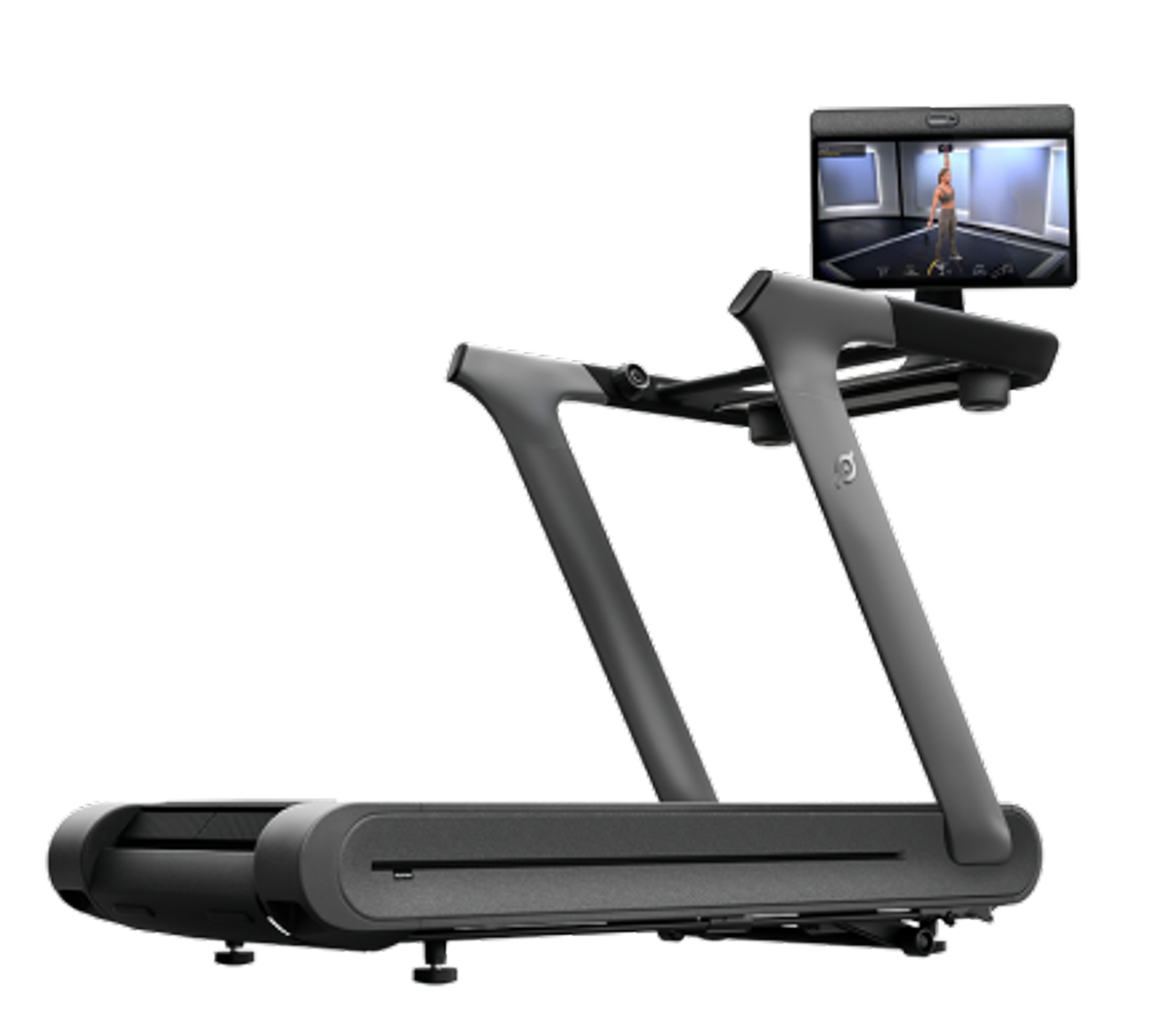
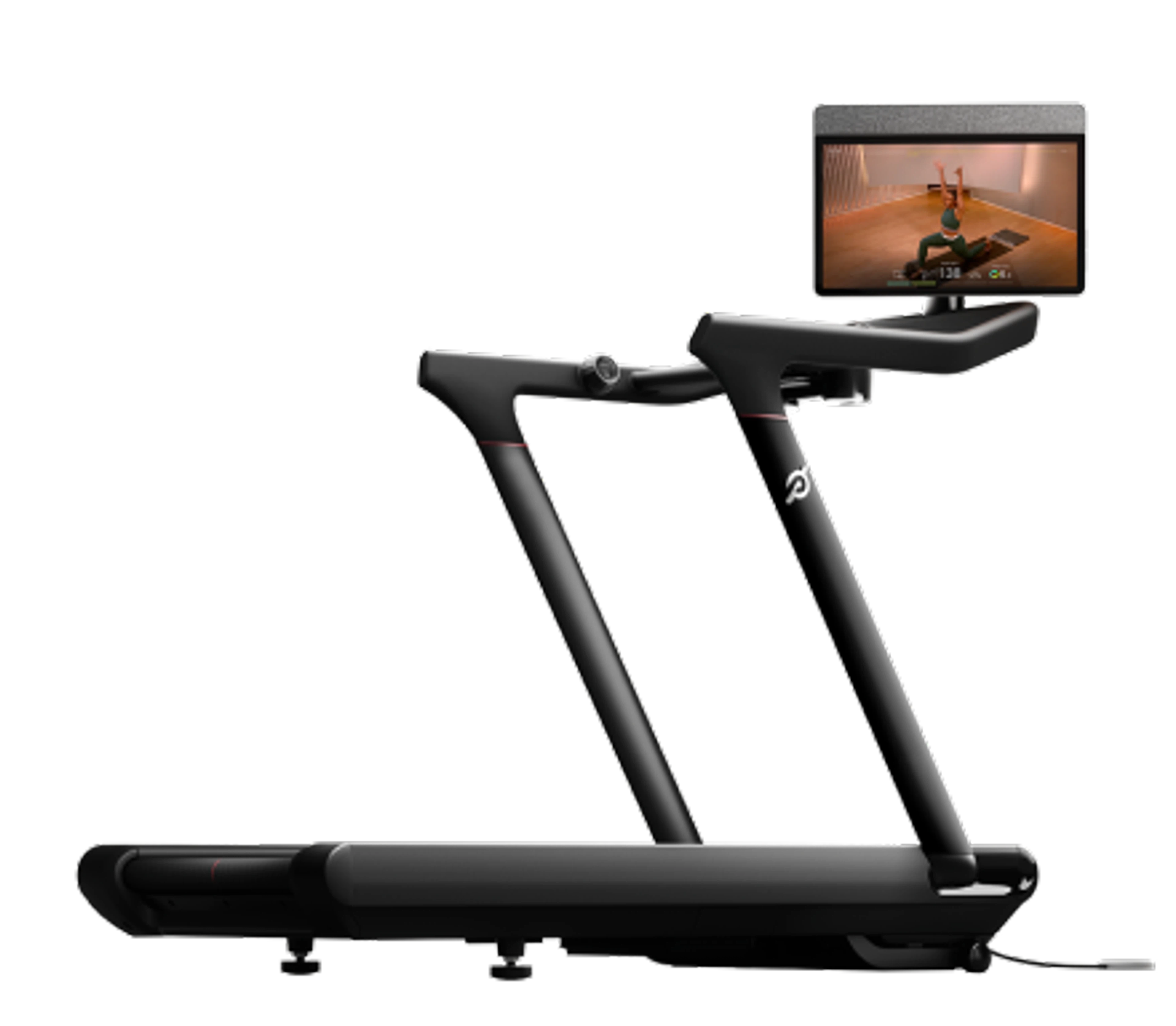
To help you prepare, try training on terrain similar to the course you’ll be racing. For example, you can even run the TCS New York City Marathon course in a Scenic class on the Peloton Tread and Tread+.
The Weather
Weather will affect your running more than you think. Take the 2023 TCS New York City Marathon, for example. It was unseasonably warm, which proved to be a harrowing experience for thousands of runners who’d been training for months and expected ideal running temperatures in the 50s and 60s. After the race, running message boards exploded with racers wanting a “do-over.” About 48 hours after the NYC race, the Philadelphia Marathon, which takes place a few weeks later, was fully booked with NYC runners seeking redemption—which they got with a cool, sunny race day.
All this is to say that the marathon gods can conspire to help or hurt you come race day. Heat, rain, wind, or overly cool temps can all make your marathon feel harder and slow your pace. “Heat and downhills late in the race seem to be what get me from a course condition and terrain point of view,” Matt says. “I find the downhills are really tough on the quads late in the race. The heat makes it hard to retain fluids and electrolytes.”
Related Articles

Marathon + Racing
Speed Work: How Becs Gentry Finished The NYC Marathon in 2:37:01

Marathon + Racing
How to Train for a Marathon at Every Level

Marathon + Racing
How to Find Your Race Pace (and Use It to Crush Your PRs)

Nutrition
What to Eat Before a Marathon, from the Days Before All the Way to the Finish Line
How to Improve Your Marathon Time
If you’re training for your first marathon with a goal in mind, or you’ve already run one and want to improve your time, there are some tried-and-true ways to run faster. Some tactics are straightforward, such as picking a flat course, but you can also train specifically to achieve a negative split or deliberately train at a slow pace, as elite runners do.
Beyond that, focusing on the tips below will help you build the mental and physical strength you need to get faster.
Add Cross Training
During marathon training, cross training isn’t so much about building strength as it is about giving your running muscles and joints a rest. Matt suggests cycling, swimming, or rowing a couple of times a week. These are all low-impact cardio exercises, meaning your bones and joints aren’t taking the pounding they do during a run.
Commit to Core Strength
Your core is incredibly important for maintaining stability and preventing injury during long runs. If you already have a regular strength routine, Matt suggests adding in targeted movements like planks, bridges, rotational moves, and leg raises. Yoga for runners will also work wonders.
Follow the Right Training Plan, with Speed Work
When training for a marathon, you typically have one long run per week and shorter ones in between. On at least one or two of those shorter sessions, Matt says, focus on speed—such as Fartlek training—but give yourself enough recovery time before your weekly long run. “It's important to include some speed work in your marathon training so that you retain the speed while you’re focusing on improving your endurance for race day,” he explains.
When in doubt, stick with a tried-and-true training program, such as Peloton’s Road to Your 26.2, available on the Peloton App. Since 2019, Peloton has trained over 298.2K members for a marathon.
Marathon training plans are based on data, not anecdotes or intuition. So, if you already know the time you want to achieve, find a training program geared to the race pace you want to set.

Peloton App
Access thousands of classes with no equipment needed.
Pay Attention to Hydration and Nutrition
As Matt likes to say in his classes, food is fuel, and marathon training nutrition is no different. Even if you already prioritize eating foods rich in proteins, healthy fats, vitamins, and some carbs (and plenty of water), you’ll probably find the need to consume more calories and hydrate more as your training demands increase. “If you're not getting what you need here,” Matt says, “it will be hard to recover from even the best training sessions.”
Rest and Recover
Especially as race day approaches, sleep becomes critical. While the Centers for Disease Control and Prevention recommends 7–8 hours of sleep per night, distance runners tend to require more like 9 or 10. The more you train, the more sleep you’ll need—Matt even relies on afternoon naps as the training gets more intense. Sleep less, and the odds are pretty certain that you will run slower on race day.
The Takeaway
Remember, even if you train perfectly, most marathons won’t go exactly according to plan. The key is putting yourself in the best possible position for success, meaning you’ll be able to pivot if the weather takes a turn or you feel a little more than your age on race day.
“You have demonstrated to yourself that you are capable of holding the pace you need to achieve the time you desire,” Matt says. “It's not magic—you need to believe you can do it.”
This content is for informational and educational purposes only and does not constitute individualized advice. It is not intended to replace professional medical evaluation, diagnosis, or treatment. Seek the advice of your physician for questions you may have regarding your health or a medical condition. If you are having a medical emergency, call your physician or 911 immediately.

Explore Peloton Treads
Level up your inbox.
Subscribe for a weekly dose of fitness, plus the latest promos, launches, and events.
By providing your email address, you agree to receive marketing communications from Peloton.
For more about how we use your information, see our Privacy Policy.