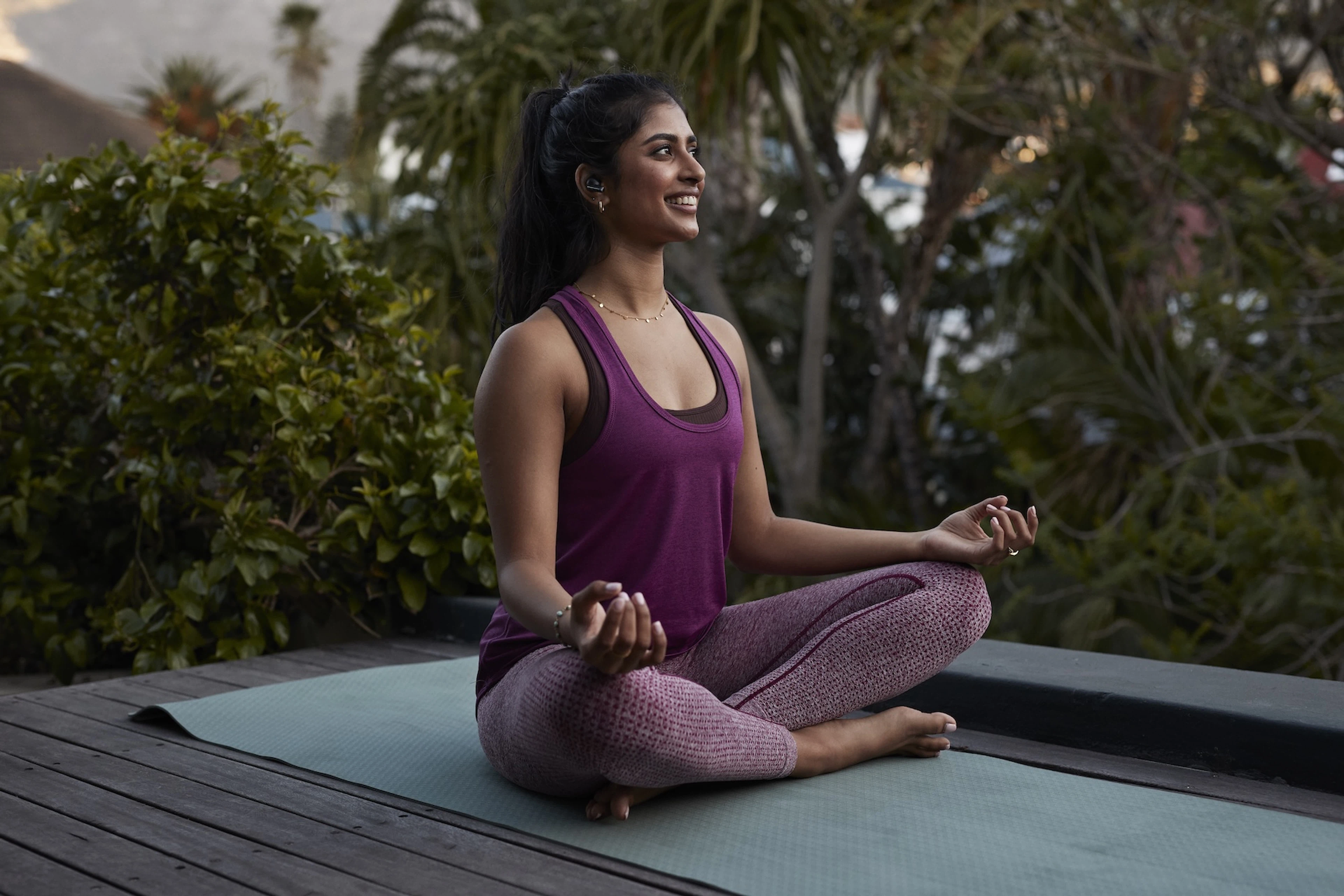
Klaus Vedfelt / DigitalVision via Getty Images
How to Find the Best Meditation Position for You, According to a Peloton Meditation Instructor
Peloton yoga and meditation instructor Dr. Chelsea Jackson Roberts explains how your posture can make a difference in your practice, plus shares three meditation positions to try.
By Dr. Chelsea Jackson Roberts, Team Peloton•
What Is Meditation Posture (aka Meditation Position)?
Why Meditation Position Matters
Can You Meditate In Any Position?
Meditating While Seated
Meditating While Lying Down
Meditating While Walking
How to Find the Right Meditation Position for You
So much of meditation is about trust and being present. Being present, as you likely know, takes some practice. Trust also takes practice and it comes in different forms. It’s the trust that you can step away from the hustle of your day to take time for yourself and it will be OK. Or, it’s the trust that your partner can handle the baby while you meditate for 20 minutes. (I know I struggled with this coming off my maternity leave!)
What can help you be present and put that trust forward is how you meditate. This doesn’t necessarily mean what type of meditation you’re doing, but physically how you’re doing it and the meditation position you choose to be in. It might not seem like an important detail at first, but the way you situate your body can set you up for success with your meditation practice. It’s a simple step that can pay off in a big way.
What Is Meditation Posture (aka Meditation Position)?
By definition, the word posture simply means how you hold your body. So, a meditation posture is the way you choose to position your body while meditating. A meditation posture (which you might also hear referred to as a meditation position) can and should be unique to your individual body depending on the level of support you need and what makes you feel most comfortable.
Why Meditation Position Matters
Why does it matter how (or if) you sit during meditation? Your posture will set the intention for the practice. It’s a type of meditation muscle memory—by getting into your preferred position, your mind and body will take the cue that it’s time to meditate, helping you get into that meditative state faster over time.
Can You Meditate In Any Position?
What makes meditation different from running, rowing, or strength training is that there are many acceptable positions you can meditate in. If you don’t have the correct form for running or doing a deadlift, you risk getting injured. With meditation posture, you can try out many different positions to see which one you prefer and what helps you have a present practice.
Traditionally, meditation is done in a seated position either on the floor supported by pillows and/or folded and stacked blankets. Meditation can also be done lying on the floor (or even in bed) on your spine for practices like deep relaxation, where it is also encouraged to use props like pillows and blankets. You can also take a more active position with a walking meditation.
The good news is you don’t have to pick one meditation position. Perhaps there are a few positions you like to practice in, and depending on what the goal of your meditation is (such as gratitude versus a practice geared toward anxiety) you can vary your posture. You can also switch it up based on your circumstances for the day. For example, if you want to sneak in some mindful movement, a walking meditation position probably makes sense for you; if you’re meditating late at night, lying down in bed for a sleep meditation might feel best.
Since every body is a unique one, it’s important to not compare the way we look and feel when meditating. This also includes the position our bodies are able to hold or not hold. Instead, try to find a comfortable seat or meditation position that feels good for your body.
Keep reading to explore three meditation positions to help you get started.
Galina Zhigalova / Russia via Getty Images
Meditating While Seated
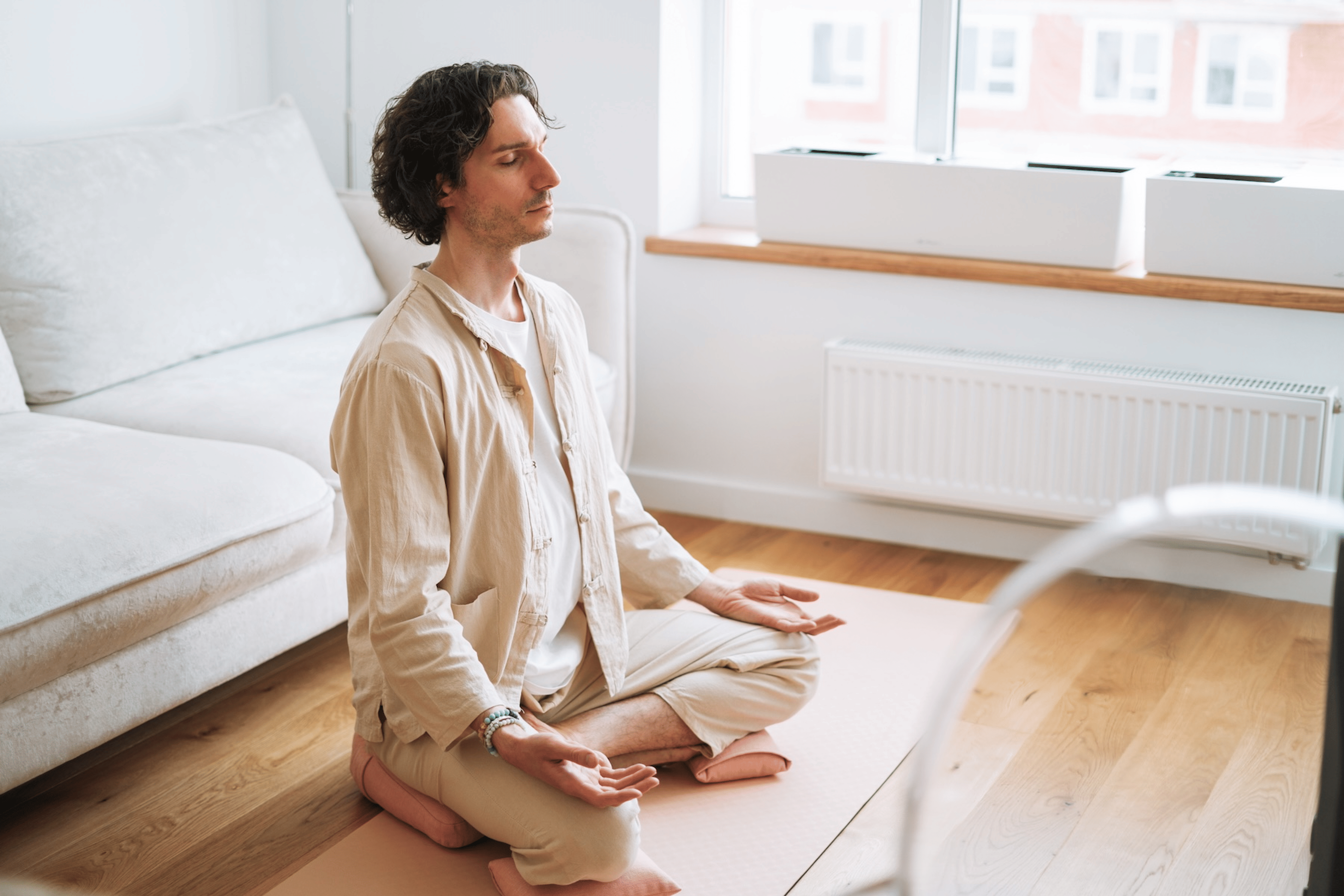
Believe it or not, there is a right way to sit when you meditate. You want to sit in a way that is comfortable, but not too comfortable. You don’t want to slouch or hunch over, as this may distract you from your practice and make it more difficult to be mindful and present.
I love to practice meditation seated on the floor with at least two stacked blankets. If this position is uncomfortable (especially in the hips), you can place a pillow underneath the outer edges of your hips and thighs. Make sure you’re sitting straight up, keeping your spine straight and stacked, hands resting lightly on the legs. If you’re looking to gently ease into a floor meditation, you can try leaning your back against the wall first.
There’s also nothing wrong with sitting in a chair to meditate. Perhaps you’re able to meditate in the middle of your work day and this is the only option you have. To do this, sit in the chair with a straight back, just like you would on the floor. Plant your feet flat on the floor with your legs at a 90-degree angle. Use the back of the chair only if you need it, and as you practice your posture over time, make it a goal to not rely on the back of the chair, scooting yourself forward toward the edge of your seat.
Sergey Mironov / Moment via Getty Images
Meditating While Lying Down
Not every meditation is best for lying down, but if your intention is to meditate for sleep or relaxation, this posture may work best for you.
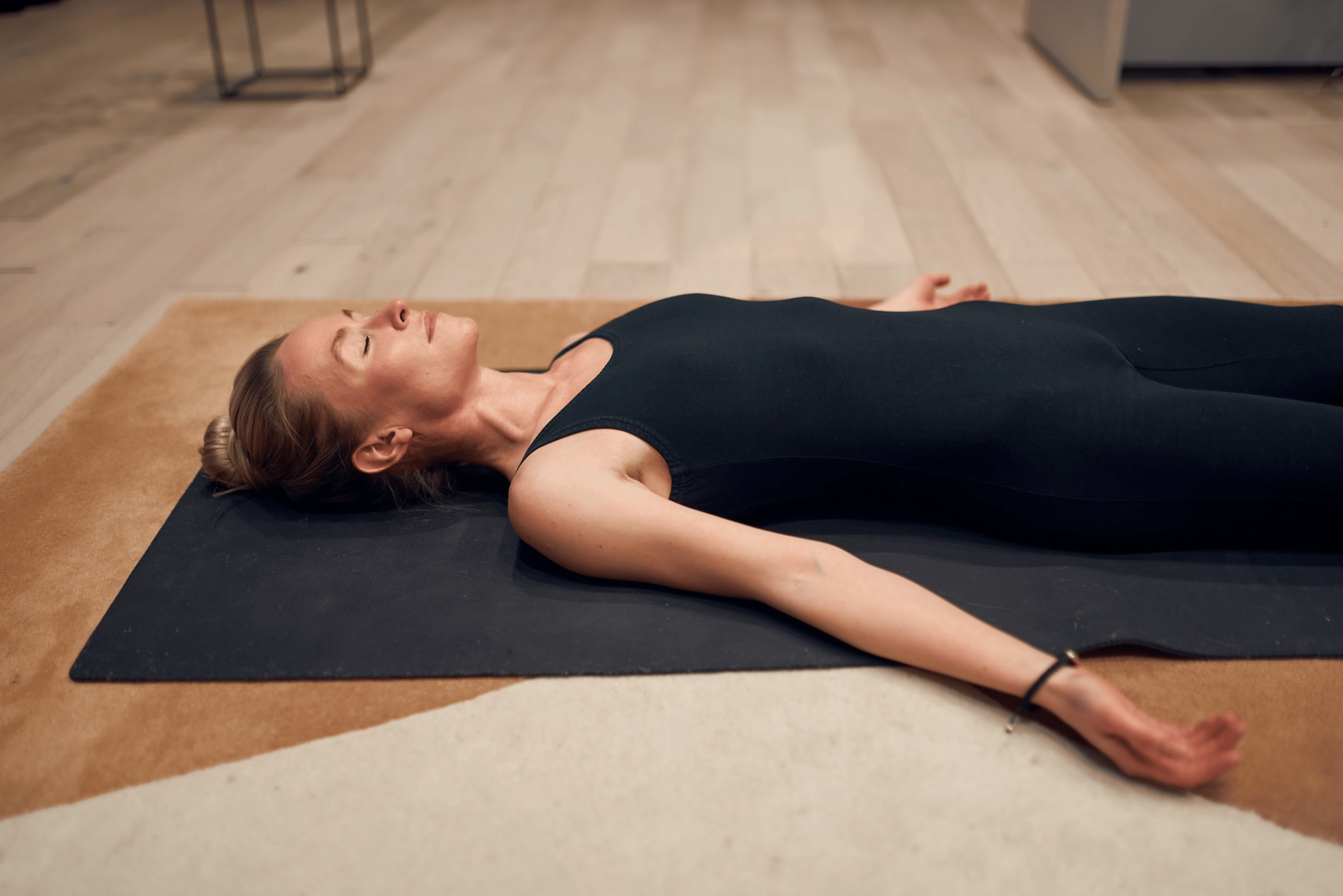
To do this, you can lie down in your bed or on the floor with props, such as a yoga mat with stacked blankets or a pillow supporting your head. Lie on your back or your side—whatever is most comfortable for you and allows you to inhale and exhale the easiest. If you need support under your hips, place a blanket under them. Make sure to keep your spine long and feet shoulder-width apart with your hands palms up and spaced away from your hips. (Feel free to mimic Savasana in yoga here.)
While some might find this this meditation position keeps them more alert, others may find that it’s easier to drift off. If you’re on a yoga mat, bending your knees and planting your feet flat on the floor may help you be more present and resist dozing off if sleep isn’t your intended goal.
Tim Robberts / DigitalVision via Getty Images
Meditating While Walking
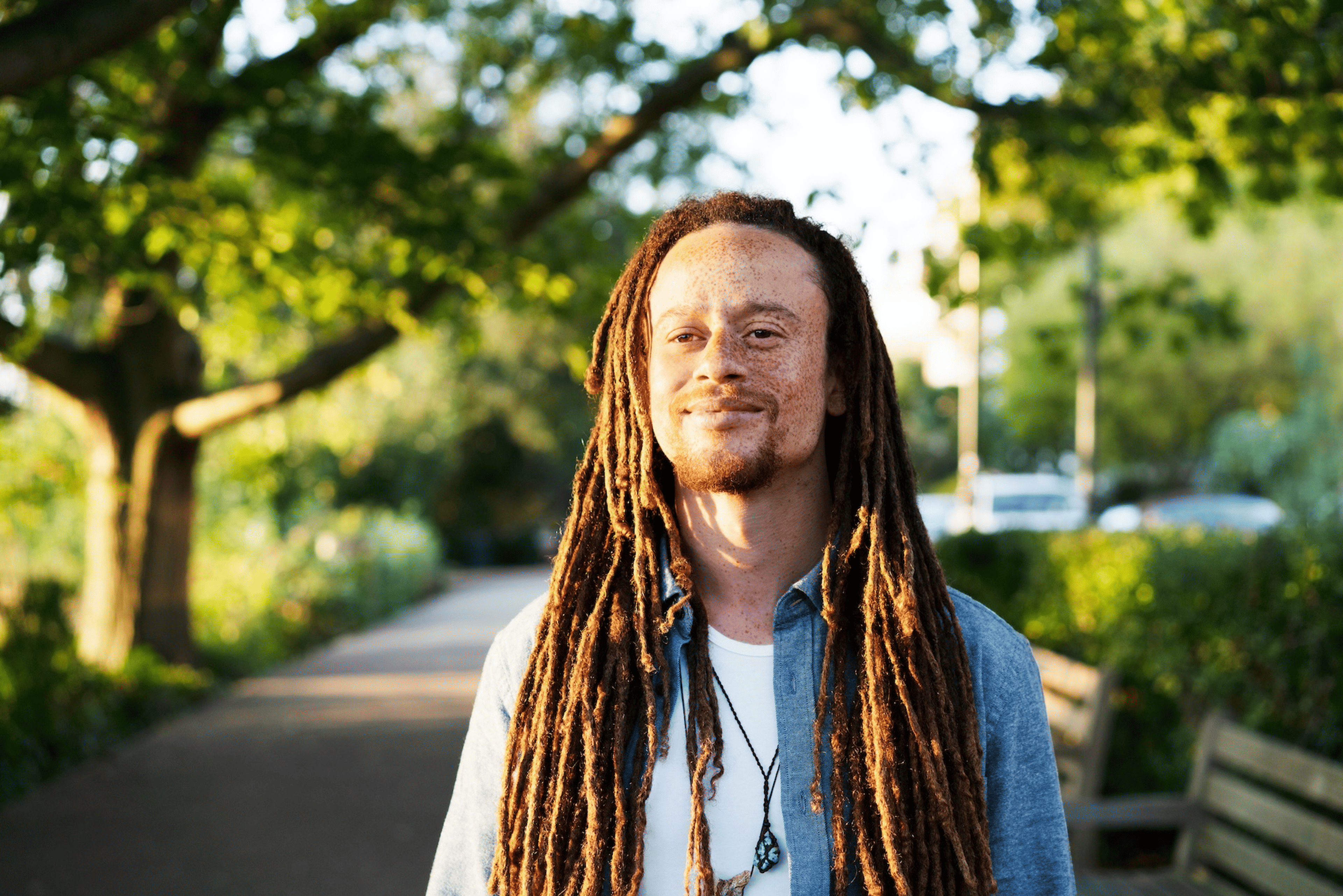
So much of meditating is about being still, so it may seem odd that you’d consider doing a walking meditation. For those who crave movement during the day and need that stillness, walking meditation offers just that.
Practice good walking posture with a straight spine and simply be aware of your surroundings while you walk. You can do this with or without a guided meditation (there are plenty of great ones to follow on the Peloton App!). Just make sure if you’re listening to audio, your phone is tucked away and you’re not constantly sneaking glances at it.
How to Find the Right Meditation Position for You
There’s no one-position-fits-all approach to meditation. You may start out sitting in a chair, then move down to the floor. Or, depending on when you’re meditating, you may stick to lying down or walking meditations.
There is, however, one rule of thumb you should remember when it comes to finding your ideal meditation position: Anything that is so uncomfortable that it distracts you from your practice means it’s not right for you. If this is the case, give yourself permission to change positions, even if you’re in the middle of meditating.
If you’re brand new to meditating and not sure which position is best for you, start off with a short amount of time you’ll meditate for. This is where the 5-minute meditations on the Peloton App can come in especially handy. These short sessions will allow you to try out a position for a brief amount of time, as opposed to a longer meditation that may make you feel like you need to commit to the position once you’re in it.


This content is for informational and educational purposes only and does not constitute individualized advice. It is not intended to replace professional medical evaluation, diagnosis, or treatment. Seek the advice of your physician for questions you may have regarding your health or a medical condition. If you are having a medical emergency, call your physician or 911 immediately.

Level up your inbox.
Subscribe for a weekly dose of fitness, plus the latest promos, launches, and events.
By providing your email address, you agree to receive marketing communications from Peloton.
For more about how we use your information, see our Privacy Policy.