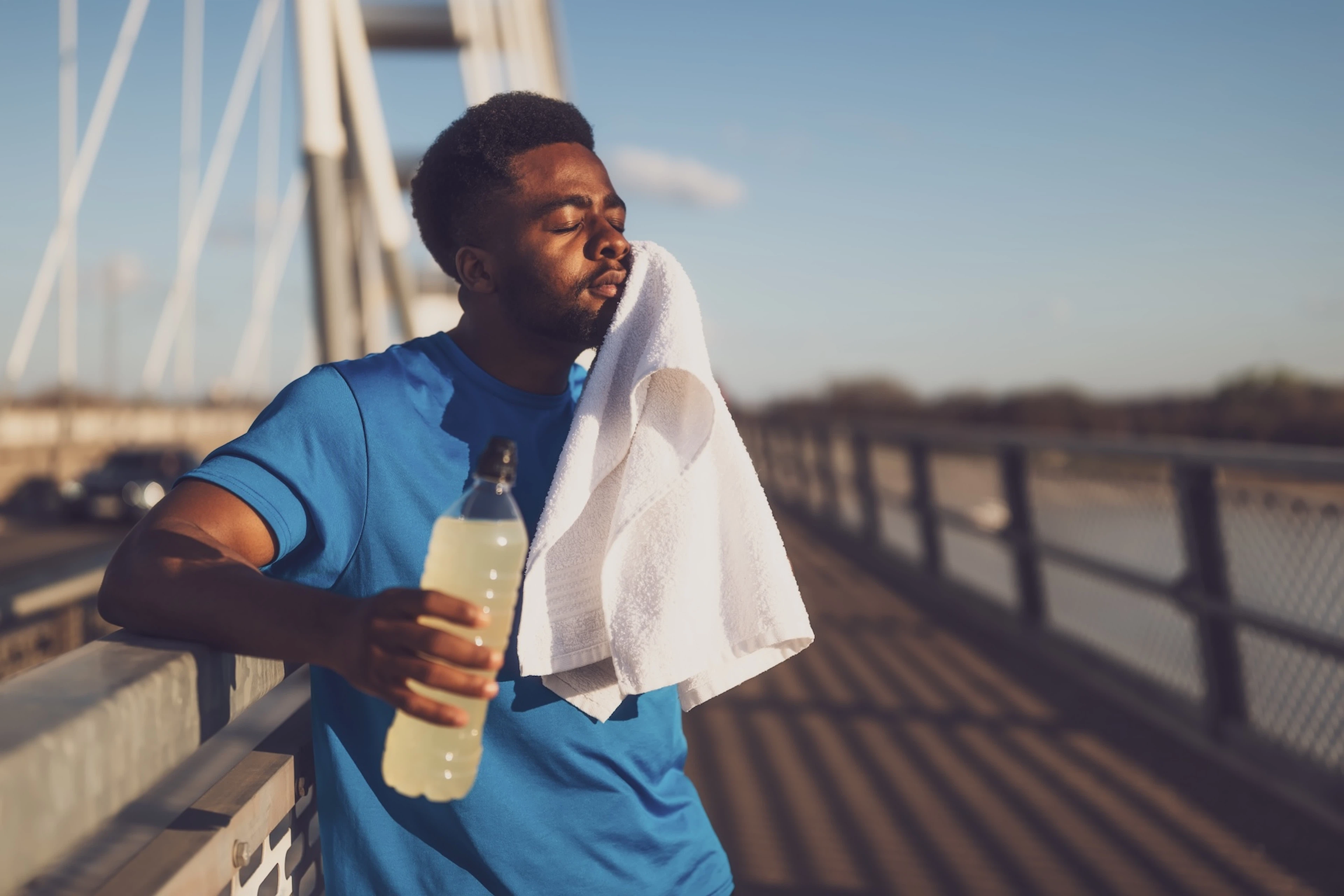
Photodjo / iStock / Getty Images Plus via Getty Images
Why Your Teeth May Hurt When You Run, Explained
It’s not the most obvious running-related complaint, but tooth pain while running shouldn’t be ignored.
By Sarah Klein•
Why Do My Teeth Hurt When I Run?
Is It Normal for Teeth to Hurt When Running?
How to Prevent Tooth Pain When Running
What If My Teeth Hurt After Running?
When to See a Healthcare Provider About Tooth Pain When Running
The Takeaway
A lot of nagging aches and pains can get in the way when you run. A troublesome ankle, grouchy knee, or rumbling stomach can decide to speak up at the most inopportune moment. But you can probably pinpoint exactly where those complaints come from: an uneven terrain, months of marathon training, or the big cup of coffee that maybe wasn’t the best thing to guzzle down pre-run.
But that might not always be the case if you find yourself wondering why your teeth hurt when you run. Your teeth, you might think, should be the last thing getting in the way of your training.
Luckily, your running routine probably isn’t directly to blame. “Running doesn’t inherently cause dental problems,” says dentist Sandip Sachar, DDS, owner of Sachar Dental. “However, running can amplify or uncover issues that are already present.”
If your teeth hurt when running, it might take a little investigating to get to the bottom of that ache. Here are some of the possible causes to know, plus how to prevent the pain and when to see a dentist.
Why Do My Teeth Hurt When I Run?
There are a number of reasons why your teeth might ache when you run, but it likely doesn’t have anything to do with running itself being bad for your teeth. Here are some of the underlying conditions and concerns that could be bugging you.
1. You Have an Existing Dental Issue
If there’s already something going on with your teeth, high-impact activity like running can make it worse. “The pounding motion and increased circulation in inflamed tissues can magnify discomfort,” Dr. Sachar says.
She says dental problems that can ramp up during or after running can include:
Cavities
Microcracks
Worn enamel
Gum recession
Failing fillings
Infections
2. You’re Clenching or Grinding Your Teeth When You Run
You might not even realize it, but you could be clenching your teeth or grinding them against each other when you’re working hard. This is more common during a really hard effort or if you’re under a lot of stress, says physical therapist Jon English, director of rehabilitation at Memorial Hermann Sports Medicine & Rehabilitation.
“This puts excessive load on the teeth and can create enough tension in the jaw muscles and temporomandibular joint to cause tooth and jaw discomfort afterwards,” Dr. Sachar adds.
3. You’re Under the Weather
Above your upper teeth are cavities in your skull called your maxillary sinuses. These spaces help make mucus that normally drains out your nose. But if they’re congested, you might feel pressure and pain in the area that can feel like it’s coming from your teeth while you’re running, Dr. Sachar says.
4. It’s Cold Outside
Running in the cold? Breathing heavily through your mouth in chilly temperatures can spark tooth sensitivity during running. “Cold air rapidly cools exposed tooth surfaces, especially in people with thin enamel due to erosion or gum recession,” Dr. Sachar says. “Mouth breathing while running makes this [tooth sensitivity] much more likely.”
5. You Have Dry Mouth
You probably aren’t drooling while you run (that’d be a look), but you don’t want to have too little saliva in your mouth, either. “Saliva helps protect against tooth sensitivity by neutralizing acids, replenishing minerals, coating teeth as a barrier, and washing away irritants,” Dr. Sachar says. “Less saliva means less natural buffering against sensitivity, making teeth more sensitive.”
If you’re huffing and puffing through your mouth during your run, you’re more likely to have a dry mouth. Your mouth also might be on the dryer side if you’re dehydrated, she says.
But tooth pain during running that stems from a dry mouth could also be due to a number of other causes, from certain medications to autoimmune diseases to hormonal changes, according to the American Dental Association (ADA).
6. You’re Eating a Lot of Sugar to Power Your Long Runs
If you’re heading out for a long run, you’re probably (and smartly) bringing something to eat along the way. Traditional energy gels, chews, and drinks have a fair amount of sugar in them, and rightfully so: Your body needs that easily accessible energy to keep putting one foot in front of the other.
But a 2024 research review points out elite athletes have high rates of cavities, possibly due to their carbohydrate-heavy diets. And if you already have some tooth decay or enamel erosion from a sugar-rich diet and then you eat more sweets, you might notice more sensitivity or pain, English says.
7. Running Increases Blood Flow In the Area
A small, older study found exercising on a treadmill increased blood flow to the teeth and gums by about 50 percent. This increase in blood flow in the area could result in greater pain during a run if you’ve been experiencing oral health issues, particularly if you notice throbbing pain, according to the research.
Related Articles


Is It Normal for Teeth to Hurt When Running?
Some research estimates up to 30 percent of athletes experience some type of oral pain, but it’s tricky to know exactly how common this is among recreational runners.
While not very common in her personal experience, tooth pain when running also isn’t exactly rare, Dr. Sachar says. In fact, we probably don’t know exactly how common it really is, “because patients tend to disregard it as ‘unimportant’ until an underlying issue is brought up at a check-up visit,” she says.
She estimates she sees someone in her office who experiences tooth pain from running only three to four times a year. Typically, they’ll say they’re having “tooth sensitivity or pain that’s triggered by exercise, especially high-impact activities like running,” she says.
As a physical therapist, English doesn’t hear this complaint in the clinic all that often, but it may come up in passing. “A running partner at a run club, for example, might mention their jaw hurts or their tooth hurts,” he says.
How to Prevent Tooth Pain When Running
Preventing this pesky symptom really depends on what’s causing it. “Almost always, it is due to an underlying dental issue,” Dr. Sachar says. “Once the issue is addressed, the pain goes away.”
Your dentist will be the best person to speak to about why your teeth hurt when running and how you specifically should treat it. But broadly speaking, here are a few helpful tips to keep in mind:
Stay hydrated. Generally, aim to drink 11.5–15.5 cups of fluids a day (roughly 3–4 liters), and more if you’re sweating a lot. Remember that coffee, tea, and even water-rich foods “count” toward that overall total. You can loosely track your hydration status by monitoring your urine color; a pale yellow hue is a sign you’re optimally hydrated.
Breathe through your nose. Excessive mouth-breathing when running could contribute to tooth pain, Dr. Sachar reminds us. It’s natural for many people to start breathing through the mouth when the intensity ramps up, but if you’re dealing with tooth pain while running, you could try to be more intentional about breathing through your nose and see if you notice a difference.
Unclench. “Be mindful of jaw tension,” Dr. Sachar says. Check in with your body: Are your fists balled up, your shoulders high? These are other signs you’re tense and rigid during your run, English says. Try to shake things out, roll your shoulders back, unclench your jaw, and run in a more relaxed manner. Imagine you’re holding a guitar pick between each thumb and pointer finger when you run. This will make it so you can’t clench your fist, and relaxing your fists might naturally help you relax your jaw too, he says. If it doesn’t throw off your breathing too much, you can also try placing your tongue on the top of your mouth to stop you from grinding your teeth, he adds.
See your dentist regularly. They’ll help you address cavities, cracks, or sensitivity that could be making your teeth hurt while running. For some people, that means one or two visits a year. Others might benefit from more frequent checkups, per the ADA. Talk to your dentist about your symptoms, your oral health concerns, and their recommendations for your unique situation.
Try a saline rinse. “For runners prone to sinus issues, using a saline rinse before exercise may help reduce pressure,” Dr. Sachar says. This can help clear out congestion and possibly ward off pain that feels like it's coming from your teeth mid-run. To try a saline rinse, combine warm distilled water, baking soda, and salt (you can also buy bottled saline solution in a drugstore) and rinse it through your nasal passageways using a neti pot, squeeze bottle, or rubber nasal bulb.
Consider desensitizing toothpaste. Certain ingredients in toothpastes, such as fluoride, can make your teeth less sensitive, according to the ADA, which might in turn lessen pain or discomfort while you run. “Daily use can help reduce sensitivity over time,” Dr. Sachar says.
What If My Teeth Hurt After Running?
If your tooth pain kicks in after you’ve stopped your fitness watch, you’re likely experiencing one of the same causes listed above. You simply might not have noticed the ache during the run because you were in the zone and focused on what you were doing, English says. It’s not surprising if you finish the workout and only then does the pain start to feel more noticeable, he adds.
Remember, it’s most likely not the run itself: “Running doesn’t cause these conditions but rather triggers or worsens the symptoms of underlying dental or sinus issues,” Dr. Sachar says. “Addressing these issues can often alleviate the tooth pain after running.”
When to See a Healthcare Provider About Tooth Pain When Running
It’s better not to wait. “If tooth pain after running is a common theme and not a one-off occurrence, it should be checked by a dentist rather than ignoring it,” Dr. Sachar says. If you’ve tried the approaches above without success, it’s probably time for a visit, English adds. Same goes if the pain is sharp or getting worse, or if it’s accompanied by any swelling, Dr. Sachar notes.
The Takeaway
There isn’t any direct link by which running causes your teeth to hurt. Rather, tooth pain when you run is likely due to some underlying oral health concern, such as a cavity, dry mouth, or clenched jaw. The impact on your teeth from running might exacerbate these existing issues. To ease the ache, try to stay hydrated, breathe through your nose, and run as relaxed as possible. If the pain persists, it’s time to see a dentist, who can evaluate you for any dental problems and provide treatment as necessary.

Peloton Treadmills
Two treadmills. One Peloton experience.
This content is for informational and educational purposes only and does not constitute individualized advice. It is not intended to replace professional medical evaluation, diagnosis, or treatment. Seek the advice of your physician for questions you may have regarding your health or a medical condition. If you are having a medical emergency, call your physician or 911 immediately.
Level up your inbox.
Subscribe for a weekly dose of fitness, plus the latest promos, launches, and events.
By providing your email address, you agree to receive marketing communications from Peloton.
For more about how we use your information, see our Privacy Policy.