
MonicaNinker / E+ via Getty Images
6 Creatine-Rich Foods That’ll Help Build Muscle and Boost Energy
These dietitian-loved creatine foods can help you get more of the amino acid compound naturally.
By Karla Walsh•
If you’ve opened any social media app or overheard folks at the gym talking about supplements recently, you’ve probably noticed more chatter about one compound in particular: creatine. Once relegated to “bodybuilder” territory, scientific evidence is piling up to make the case for creatine as a worthwhile consideration for active individuals of all kinds.
When you think of creatine, your mind might automatically think of creatine supplements. But your body actually makes some creatine on its own, and there are a handful of creatine-rich foods that can help get a little more of the compound in your diet.
Ahead, registered dietitians break down exactly what creatine is, what foods have creatine, and how much to generally aim for to maximize the benefits of this powerful blend of amino acids.
What Is Creatine?
Creatine is a compound made from three amino acids: glycine, arginine, and methionine. Our bodies make small amounts of creatine in the liver, pancreas, and kidneys, which gets stored primarily in our muscles as phosphocreatine, explains board-certified sports dietitian Kelly Jones, RD. We get the rest of our total intake from creatine foods—and supplements, if we take them.
“Your muscles can store more creatine than it can make and get from creatine-rich foods, so some folks choose to supplement to maximize their creatine stores,” adds board-certified sports dietitian Jena Brown, RD, owner of Victorem Performance Nutrition.
A growing body of research makes a strong case that creatine can deliver benefits for a wide range of populations. Some of those advantages include:
Supporting muscle mass: Creatine helps replenish ATP (adenosine triphosphate), which is the body’s preferred energy source, says registered dietitian nutritionist Frances Largeman-Roth, RDN. Plus, the stored form of creatine, phosphocreatine, can be used during quick, explosive movements that require those short bursts of energy, like sprinting or hoisting weights overhead. “This is why creatine is widely known in powerlifting circles,” Jones says. And because it supports energy levels during workouts, creatine may help increase muscle strength and mass over time when it’s paired with regular exercise and adequate protein intake, Largeman-Roth notes.
Helping cardio workouts feel a bit easier: Strength training isn’t the only workout that benefits from this amino acid compound. “Creatine helps our bodies use oxygen more efficiently, which improves aerobic capacity,” Largeman-Roth says.
Amplifying post-workout recovery: By reducing muscle damage, creatine may also support recovery between intense bouts of exercise, according to a 2021 research review in the journal Nutrients.
Boosting brain health: Creatine delivers a little energy to our brains, and research has shown that it can support cognitive function (including memory, attention, and the rate of information processing) among adults.

Peloton App
Access thousands of classes with no equipment needed.
What Foods Have Creatine?
The most creatine-rich foods are animal-based and include red meat, fish, and poultry.
Beyond those broad categories, it can be tough to pinpoint exactly what foods have creatine because “there are not great resources for creatine content in foods; it’s not listed as part of the nutrition facts on food packages,” Largeman-Roth explains. “At this point, you’d have to look at scientific studies to learn how much creatine is in each individual food, but with the growing interest in creatine, a database with verified amounts may be on the horizon.”
Consuming enough protein plays a vital role in your body’s ability to make as much creatine as possible (around 1 gram per day), since your body makes creatine from three building-block amino acids—glycine, arginine, and methionine. That said, Jones says that there is no correlation between the protein content of a food and its creatine content: “For example, 4 ounces of herring contains 20 grams of protein and about 1 gram of creatine, while 4 ounces of chicken breast contains 35 grams of protein and around 450 milligrams of creatine,” she explains.
6 Creatine-Rich Foods
Since creatine is not considered a nutrient and there is no recommended daily intake value set, we cannot technically claim that foods are “high” in it, Jones says. Still, we can highlight which foods contain the most creatine compared to others.
We’re listing some of those creatine-rich foods below, with one caveat: The creatine levels noted with each food are estimates from scientific research and the dietitians we spoke with, since the creatine content of food is difficult to measure and there is no one comprehensive source that lists this for all foods and drinks (yet).
With all that in mind, here are some creatine-rich foods to consider.
1. Herring

Andrey Zhuravlev / iStock / Getty Images Plus via Getty Images
Creatine per 4 ounces: 1 gram
In addition to about 20 grams of protein per 4-ounce serving, herring is high in two types of inflammation-taming omega-3 fatty acids: EPA (eicosapentaenoic acid) and DHA (docosahexaenoic acid). It’s also one of the few natural food sources of bone-supporting, immune system-enhancing vitamin D. Look for it in jars or near the other tinned fish at the grocery store, then try it on top of toast, folded into omelets, or mashed into a creamy salad (think: tuna salad, but with herring instead).
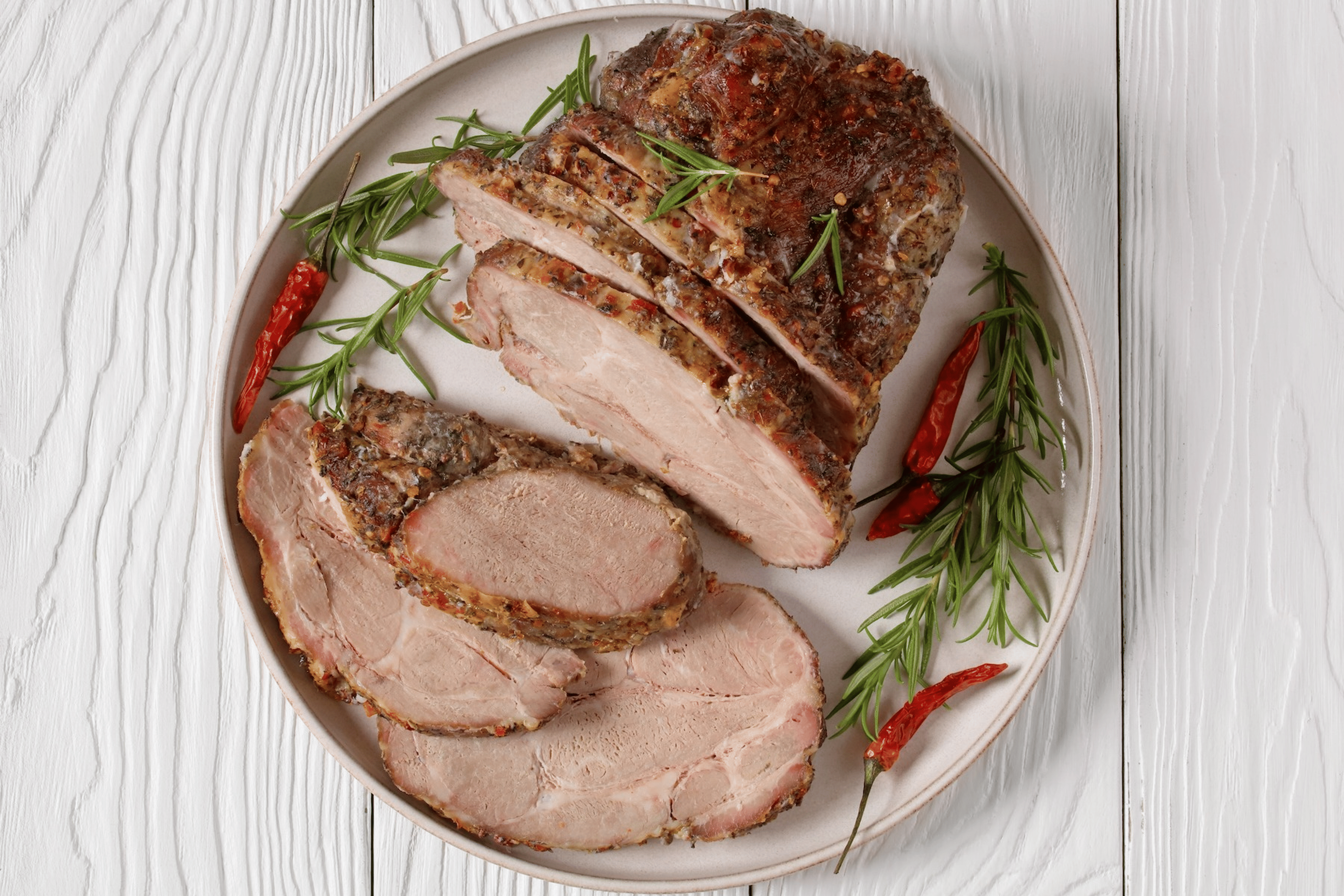
2. Pork Loin
from_my_point_of_view / iStock / Getty Images Plus via Getty Images
Creatine per 4 ounces: 575 milligrams
Naturally loaded with creatine, “pork is also rich in vitamin B12, providing 25 percent of what you need for the day,” Largeman-Roth says. That’s great news, as this vitamin supports red blood cell formation, DNA synthesis, and a healthy nervous system. A serving of pork loin supplies about half of your daily requirement for thiamin, too, which Largeman-Roth says is important for metabolizing food.
Pork loin is a breeze to grill, roast, or air fry. Brush it with barbecue or teriyaki sauce or add a spice rub for extra flavor, then enjoy it alongside your favorite vegetables for a lean, creatine-rich meal.
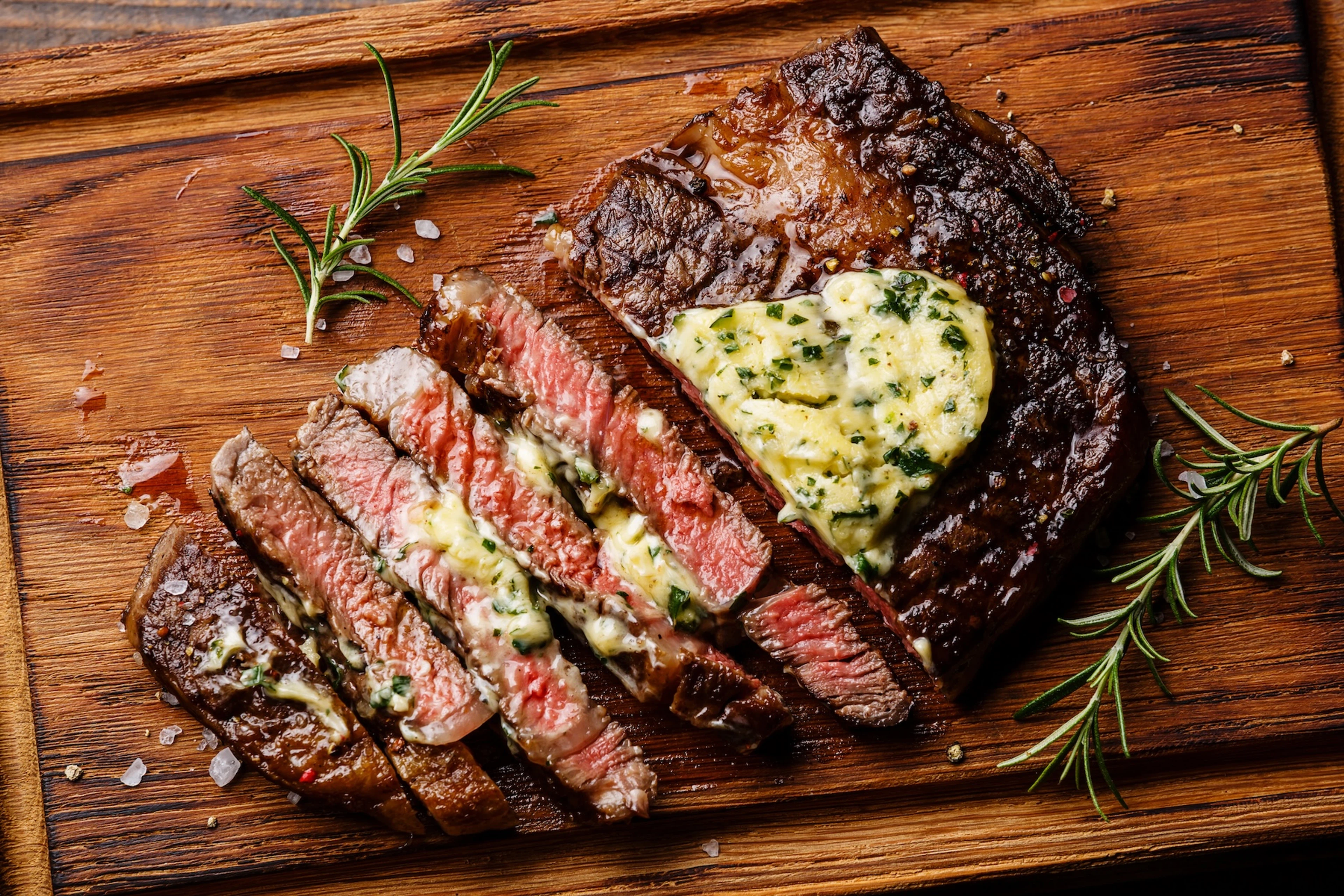
3. Beef
Lisovskaya / iStock / Getty Images Plus via Getty Images
Creatine per 4 ounces: 550 milligrams
Beef comes in many forms, from ground beef to steaks to roasts. A typical 4-ounce serving not only offers a respectable amount of creatine, but also adds about 25 grams of protein to your daily tally. Plus, beef delivers some muscle-oxygenating iron and immune-supporting zinc.
Bake a marinated roast for Sunday dinners, form ground beef into meatballs or burgers, or sear and slice steaks to pile inside tacos, serve on top of salads, or toss into pasta or rice recipes.
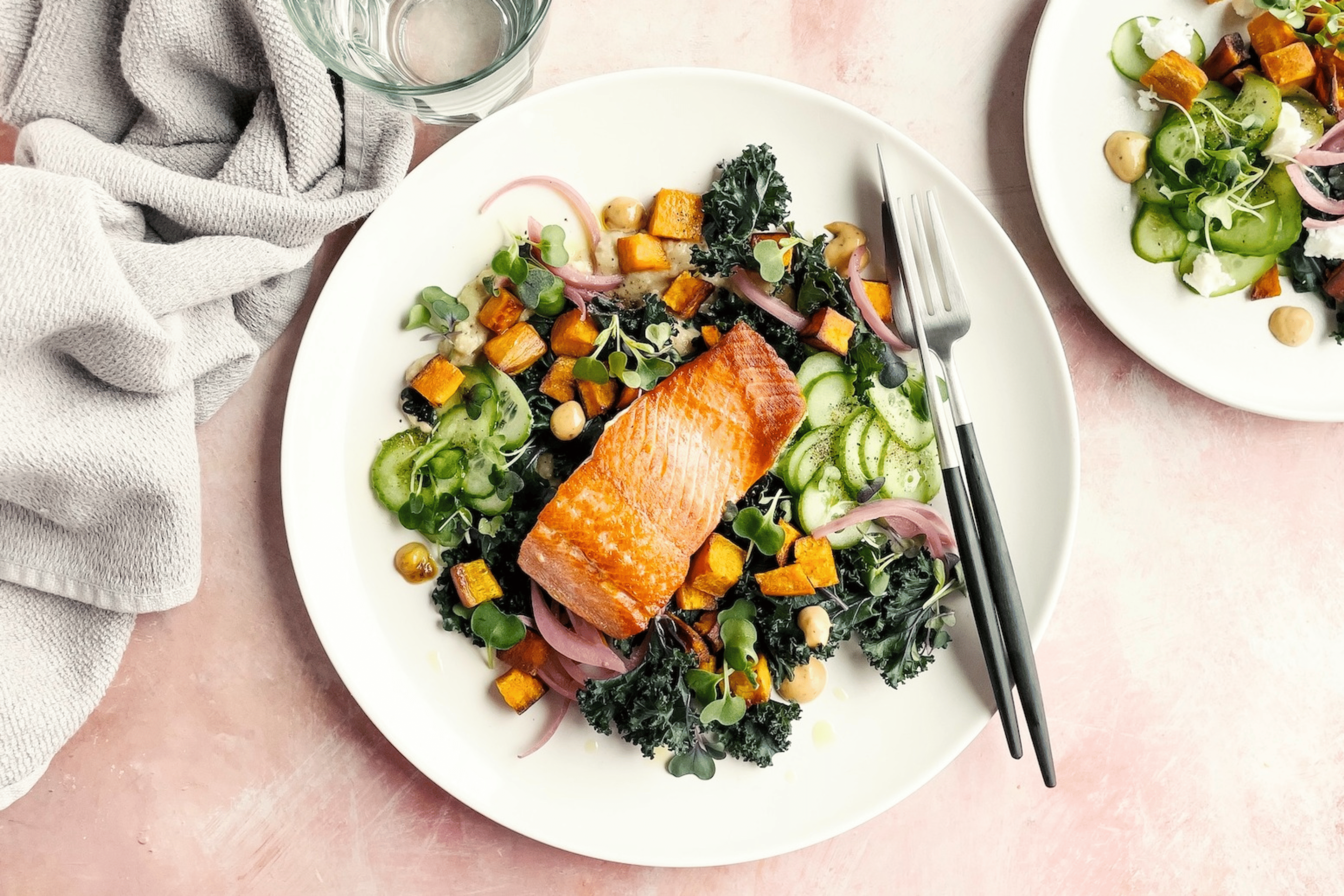
4. Salmon
Claudia Totir / Moment via Getty Images
Creatine per 4 ounces: 500 milligrams
This fatty fish reels in a lot of praise for its heart-healthy omega-3s and ample protein (22 grams per 4-ounce serving). This creatine-rich food also delivers some vitamin B12 and vitamin D.
Largeman-Roth recommends roasting or grilling salmon to serve on salads. You can also flake cooked filets into grain bowls, wraps, and scrambles. If you’re not fond of cooking fish, keep canned salmon handy to make salmon patties or chowder.
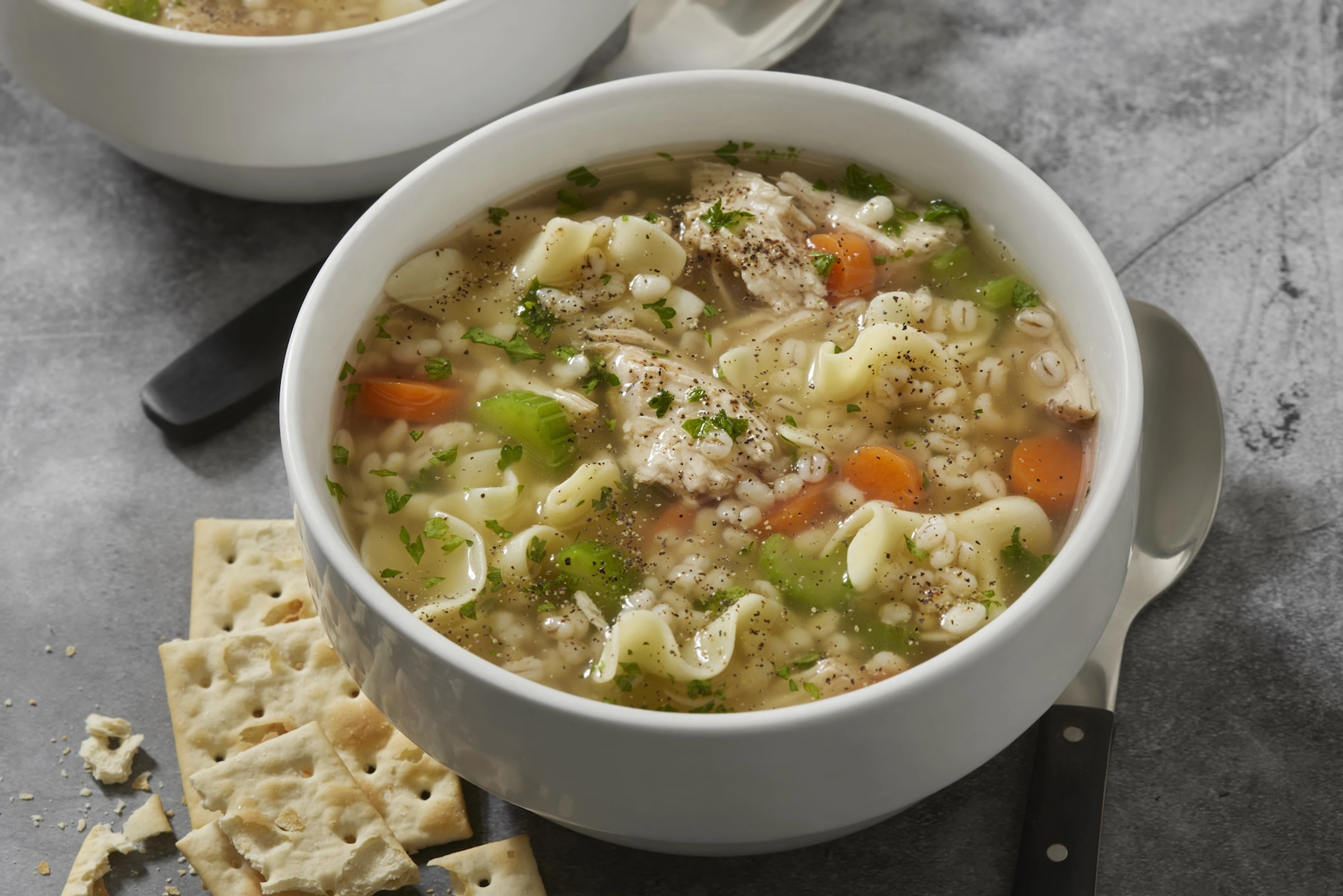
5. Chicken Breast
LauriPatterson / E+ via Getty Images
Creatine per 4 ounces: 450 milligrams
Beyond its 25 grams of protein, chicken breast is a fairly decent source of creatine, according to the dietitians we spoke with. “Both the meat and juices of chicken contain creatine,” Largeman-Roth says. So when you cook the meat, consider stirring together a pan sauce to maximize your creatine intake, she advises.
Beef and chicken bone broth also deliver creatine, Largeman-Roth adds, so simmering a big pot of chicken noodle soup is a good idea if you’re aiming to add more creatine foods to your rotation.
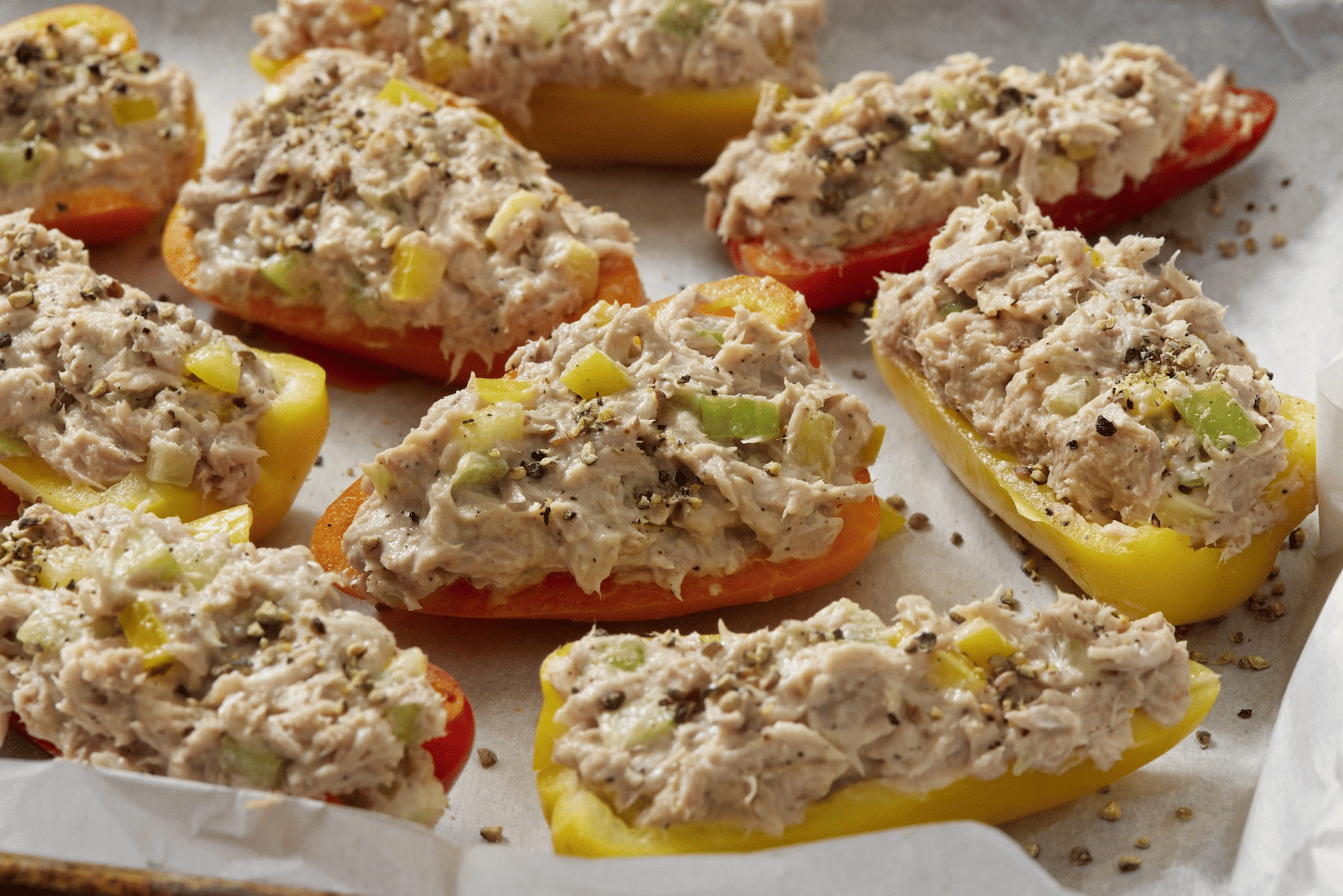
6. Tuna
LauriPatterson / E+ via Getty Images
Creatine per 4 ounces: 450 milligrams
Talk about a multitasker: Tuna provides creatine, 25 grams of protein, vitamin B12, vitamin D, and omega-3 fatty acids.
Cans and packets are handy to make creamy tuna salads and casseroles. Tuna steaks are also a treat when pan-seared, sliced, and served over rice or fresh or roasted veggies. Up the ante by pairing it with sweet and sour ponzu sauce.
How Much Creatine Do You Need a Day?
The average person requires approximately 2 grams of creatine per day to maintain normal levels, but only about 1 gram is made in the body, Brown says. In order to obtain the benefits seen in research, though, Jones says that most people require between 3 and 5 grams of creatine per day.
“Around 3 grams, we begin to see strength and performance benefits for more petite individuals,” she says. “For the potential long-term neurocognitive benefits, at least 5 grams per day is likely needed.”
While no one single serving of any of these creatine-rich foods will give you 100 percent of the creatine scientifically shown to offer the aforementioned health benefits, working more of these foods into your regular rotation will help you bump up your daily creatine intake. And along with delivering creatine itself, the foods listed above provide other nutrients to support lean muscle and overall health, our experts say.
Still, it’s extremely unrealistic (and honestly dangerous) to attempt to get 5 grams of creatine solely from food. For example, “to get the amount of creatine recommended in supplement form via food, you’d need to eat about 2½ pounds of pork or beef,” Jones says. Not only would that be highly unpleasant to eat, it’d also do your body more harm than good. “Pork and beef are high in saturated fats, which are associated with heart disease and an increase in triglycerides and cholesterol,” Jones continues. “Plus, this high intake of protein drowns out other whole foods, displacing nutrients Americans are already under-consuming, such as vitamins C and E, potassium, and fiber, posing a risk to health and performance.”
But before you add a creatine supplement to your cart instead, make sure you consult with your doctor or dietitian. Anyone with kidney disease, liver disease, or diabetes should not take supplemental creatine, Largeman-Roth says. Same goes if you’re pregnant or breastfeeding, according to the Cleveland Clinic.
If your healthcare provider gives you the thumbs-up to supplement, look for creatine monohydrate (“by far the most well-researched supplemental form,” Jones says) that’s been third-party certified by groups like the NSF. This means that the product has been tested to confirm that it contains what it says on the label—and nothing else.
The following populations may particularly benefit from creatine supplementation, the dietitians we spoke with agree:
Those following a vegetarian or vegan dietary lifestyle, or people who limit animal-based protein foods
Active folks who participate in activities that require short energy bursts or extreme endurance
Individuals with restrictive food tendencies (for personal weight management or weight loss goals or otherwise)
People going through perimenopause and menopause
Aging individuals and senior athletes
If you’re consuming a balanced diet and feel nourished and strong, you don’t necessarily need to supplement with creatine. You just may notice additional performance, cognition, and recovery benefits if you do prioritize adding more creatine foods to your menu (or a safe supplement) to your routine. It’s wise to speak to your doctor or dietitian for personalized guidance so you can fuel up for a strong, long life.
Related Articles


This content is for informational and educational purposes only and does not constitute individualized advice. It is not intended to replace professional medical evaluation, diagnosis, or treatment. Seek the advice of your physician for questions you may have regarding your health or a medical condition. If you are having a medical emergency, call your physician or 911 immediately.
Level up your inbox.
Subscribe for a weekly dose of fitness, plus the latest promos, launches, and events.
By providing your email address, you agree to receive marketing communications from Peloton.
For more about how we use your information, see our Privacy Policy.