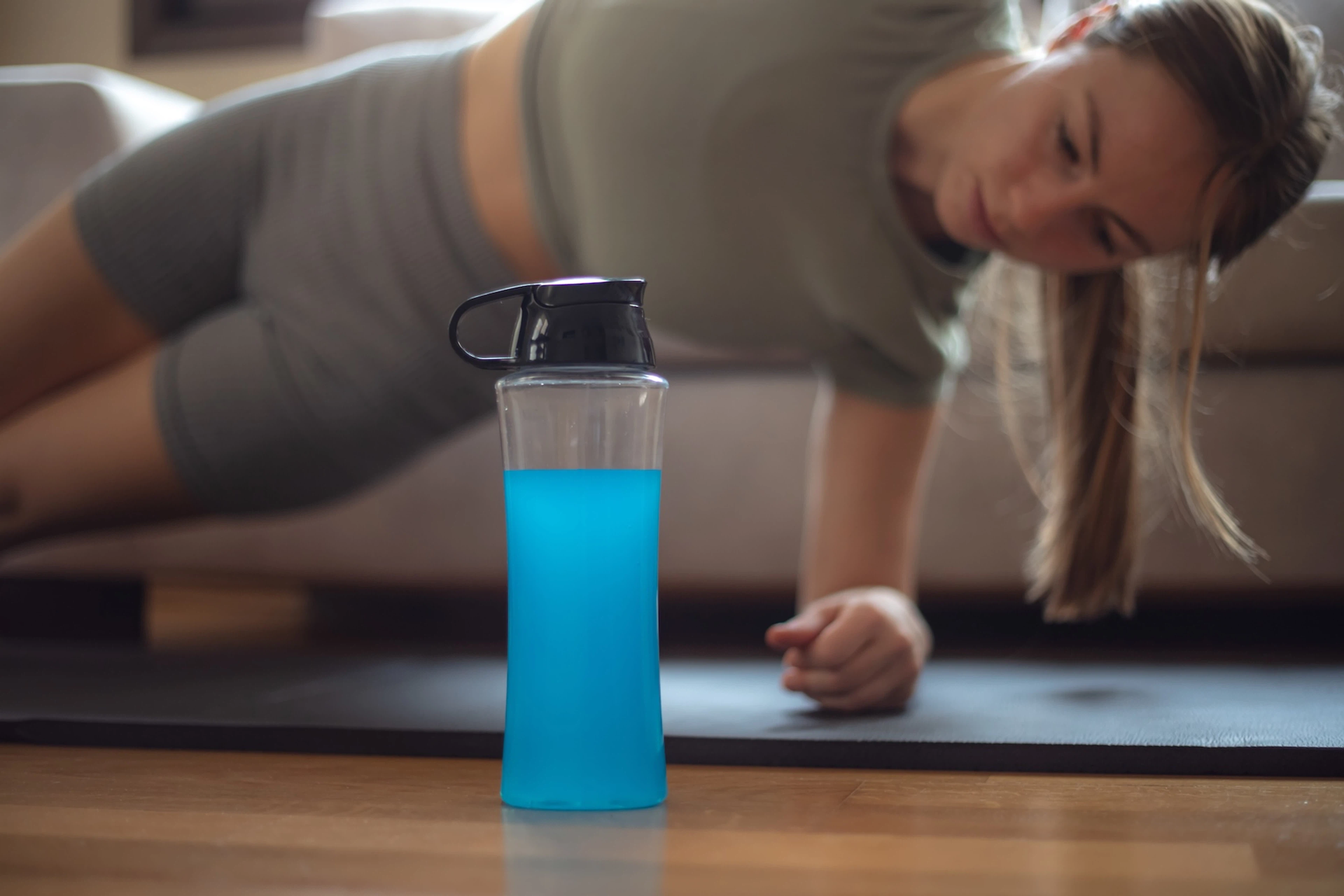
Berk Ucak / E+ via Getty Images
These Are the 4 Electrolytes Dietitians Recommend Focusing On After a Workout
Dietitians break down the top minerals to prioritize after a long or intense workout.
By Kathleen Felton•
Why Electrolytes Are Important
What Electrolytes Do You Need as An Athlete?
Why and When You Need to Replenish Electrolytes
The Takeaway
After finishing a sweaty run or challenging ride, one of the first things you probably do is reach for your water—but you might wonder if you should reach for a sports drink to replenish your electrolytes as well.
Many of us are conditioned to think about electrolytes after exercise, in part because they’re known to be lost through sweat. But as someone who lives an active lifestyle, which electrolytes do you need to focus on replacing most? And why are they so important in the first place?
We spoke with three registered dietitians to find out. Read on for more, including what electrolytes you may need to focus on most.
Why Electrolytes Are Important
We all need balanced electrolyte levels to function. These essential minerals, which include potassium, sodium, and magnesium, among others, “maintain the proper electrical charges in cells and blood flow throughout the body,” explains Gabbi Berkow, RD, a registered dietitian and exercise physiologist. Each type of electrolyte has either a positive or negative electrical charge that’s activated when dissolved in water, which happens in our fluid-rich bodies.
Different electrolytes play different roles in our health, but they’re “crucial” for a number of bodily functions, says sports dietitian Kelly Jones, RD. Electrolytes help “maintain fluid balance, which supports cardiovascular function as well as muscle contractions,” she says. Having adequate electrolytes “is key for proper blood flow, energy, muscle contraction, and strong bones,” Berkow adds.
We absorb electrolytes from foods and drinks, some of which are higher sources than others. “When we exercise, we sweat more, which means we lose electrolytes,” says Kathleen Benson, RDN, a sports dietitian at VNutrition—which is why it’s a good idea to think about replenishing them after you’ve worked out strenuously.
Related Articles

Nutrition
Electrolytes Are About More Than Just Hydration. Here Are 5 Key Benefits to Know

Nutrition
Is It Better to Have Electrolytes Before or After a Workout?

Nutrition
21 Foods with Electrolytes to Support Hydration, Muscle Function, and So Much More

Nutrition
How to Replenish Electrolytes—and 6 Signs You May Need To
What Electrolytes Do You Need as An Athlete?
All electrolytes are essential, but some are particularly important for active individuals to focus on getting enough of because they’re more likely to shed through sweat, experts say. Here are the ones to focus on replenishing after a tough or long workout.
Sodium
This is the electrolyte predominantly lost in sweat, which means your sodium needs increase after an intense workout. It’s critical to get enough sodium because this mineral aids fluid retention, Jones adds: “Without enough of it, blood volume and blood pressure may drop, contributing to dehydration.” Plus, sodium maintains blood volume, Berkow adds, so it supports adequate blood flow to all of the body’s cells and your brain.
How to replenish sodium after vigorous exercise: Fuel up with higher-sodium snacks such as salted nuts, crackers, or pickles, or sprinkle a tiny pinch of salt to a liter of water.
Potassium
After sodium, potassium is the next electrolyte most lost through sweat, Jones says. What’s more, it’s also one mineral many Americans don’t get enough of: It was listed as a “nutrient of concern” in the 2020-2025 Dietary Guidelines for Americans. Potassium is important because it “helps to balance out excess sodium, controls blood pressure, supports heart and kidney health, and reduces muscle cramps,” Berkow says.
How to replenish potassium after vigorous exercise: You can find potassium in many fruits and vegetables (bananas, spinach, and avocado are particularly good sources), as well beverages like chocolate milk and coconut water.
Magnesium
This mineral can also be lost through sweat in smaller amounts. “Magnesium is key for all aspects of cellular metabolism, helps muscles repair, supports digestion, and helps reduce stress,” Berkow says. And, like potassium, many people aren’t getting enough of it: Some research suggests that as many as half of Americans don’t get the estimated average requirement from food.
How to replenish magnesium after vigorous exercise: Whole grains, nuts, and chia seeds are all great sources of magnesium.
Calcium
Though not lost as frequently through sweat as some of the minerals above, calcium is a crucial electrolyte as well, experts say, especially because it supports many systems that athletes rely on. “It’s needed for muscle contraction, building strong bones, nerve impulses, and controlling blood pressure,” Berkow says.
How to replenish calcium after vigorous exercise: Unsweetened dairy foods are generally the best calcium sources (think milk, cottage cheese, or yogurt), but you can also find it in foods like spinach, dried apricots, raisins, peaches, and oranges. “Aim for 1,200 milligrams of calcium per day, divided into 500 milligrams at a time,” Berkow recommends.
Why and When You Need to Replenish Electrolytes
For short bursts of activity or workouts where you’re not sweating a ton (maybe yoga or walking, for example), you probably don’t have to worry about replenishing electrolytes. But focusing on electrolytes can be important in other situations, experts say, such as:
After working out intensely. Longer aerobic workouts or extended exercise in the heat require electrolyte replenishment. “On a normal day of training, food and water are usually enough, but if you notice you’re drinking a lot of water, urinating excessively, and feeling tired, that may be a sign your electrolytes are running low,” Benson says.
If you’re someone who sweats more heavily. Some people lose more fluid through sweat than others, Jones says, while others lose more sodium. These so-called “salty sweaters” may notice white marks on their clothing, a sandy texture on the skin after sweat dries, or a taste of salt on their lips after exercise. “If you sweat more heavily [or are a salty sweater], I would recommend an electrolyte product,” Jones says.
If you’re someone who is spending a lot of time outside and/or in the heat. People who have active jobs outdoors, work in hot data centers, or spend prolonged time in other hot environments may also sweat more throughout the day and might benefit from extra electrolytes to maintain balanced levels and hydration, Jones says.
As for how to consume those extra electrolytes? “While athletes may need to pay closer attention to replenishment, especially sodium, most of these can be met with a balanced diet, and sports drinks or electrolyte supplements can be added when necessary,” Benson says. Just keep in mind that electrolyte packets aren’t right for everyone—people with a history of high blood pressure or kidney disease should avoid them, Jones notes. As always, ask your physician or registered dietitian about what strategy may be best for you.
The Takeaway
There’s no denying electrolytes play a critical role in countless bodily functions, supporting everything from circulation to hydration to energy. And maintaining balanced electrolyte levels is particularly important for athletes of all levels, since your body loses electrolytes when you sweat. Though all types of electrolytes are necessary, making sure you replenish sodium, potassium, magnesium, and calcium after exercise is a good idea. That’s because these electrolytes are most likely to be lost through sweat, and some, like potassium and magnesium, are already under-consumed by many Americans.

Peloton App
Access thousands of classes with no equipment needed.
This content is for informational and educational purposes only and does not constitute individualized advice. It is not intended to replace professional medical evaluation, diagnosis, or treatment. Seek the advice of your physician for questions you may have regarding your health or a medical condition. If you are having a medical emergency, call your physician or 911 immediately.
Level up your inbox.
Subscribe for a weekly dose of fitness, plus the latest promos, launches, and events.
By providing your email address, you agree to receive marketing communications from Peloton.
For more about how we use your information, see our Privacy Policy.