Hybrid Training Can Help You Become a Well-Rounded Athlete for Workouts—and Life
Learn how this heart-pumping, functional exercise format can leave you feeling stronger and more energetic.
By Julia Sullivan•
What Is Hybrid Training?
The Benefits of Hybrid Training
Does Hybrid Training Build Muscle?
The Components of a Hybrid Training Workout Routine
How to Get Started with Hybrid Training
How to Try Hybrid Training with Peloton
When you find a form of fitness you really, really like, it’s tempting to stay solely dedicated to it. Maybe you can rip a 300-pound deadlift with ease (and perfect form), so you spend hours perfecting your lifts and skip the treadmill. Or perhaps you breeze through 10K races, so you prefer logging miles on the treadmill or pavement each day instead of hitting up the weight rack.
There’s nothing wrong, per se, with that approach. (After all, finding a workout you enjoy is key to sticking with your routine and seeing results.) But by switching up your workouts and surprising your muscles (and mind), and approaching fitness from a more well-rounded perspective, you can reap a ton of physiological benefits, says Peloton instructor Robin Arzón.
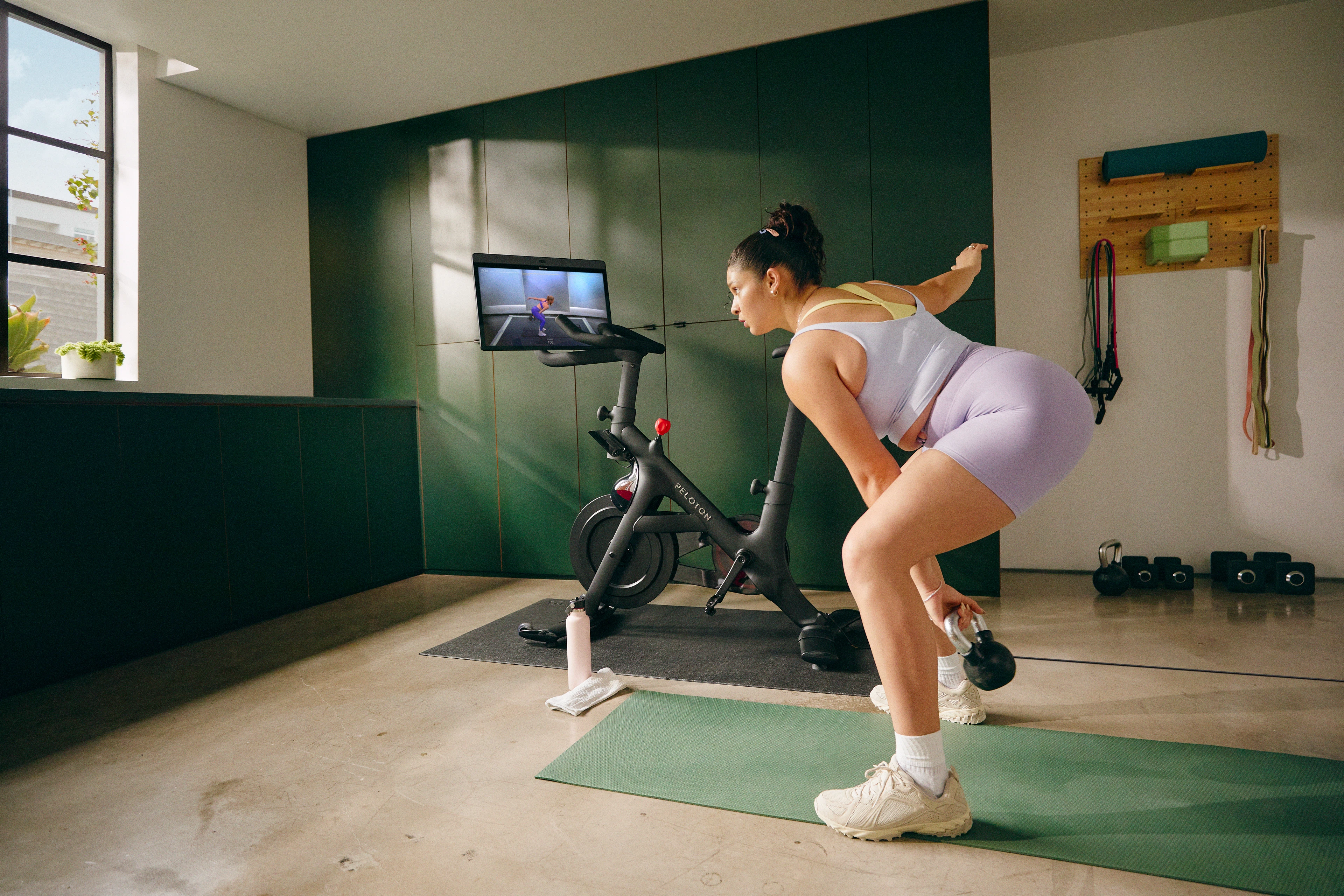
Enter: hybrid training. “Hybrid training, also known as concurrent training, combines endurance, such as running, cycling, and rowing, with strength training,” Robin explains. “Really, it’s about developing a versatile athlete.”
Here, we outline the methodology behind hybrid training, its benefits, and how to incorporate the workout style into your fitness routine.
What Is Hybrid Training?
As the name implies, hybrid training is basically two exercise styles fused together in the same workout: cardio/endurance and resistance training. “Hybrid training blends strength training with cardio workouts, giving you the best of both worlds,” explains John Gallucci Jr., a doctor of physical therapy, certified athletic trainer, and CEO of JAG Physical Therapy. “It improves heart health and endurance while building strength and muscle tone.”
It’s also the concept behind several popular workout styles, says Robin. “You're going to have enhanced athletic performance for events like HYROX or an Ironman, or a mud run,” she explains.

Peloton App
Access thousands of classes with no equipment needed.
The Benefits of Hybrid Training
You don’t necessarily need to be training for a fitness competition like HYROX or an obstacle course race to reap the benefits of hybrid training—the workout style is suitable for athletes of all levels and body types, says Gallucci. Here are some of the top benefits you’ll reap when you add hybrid training to your routine.
You’ll Become a More Well-Rounded Athlete
Whether you’re a powerlifter or seasoned marathon runner, all types of athletes could stand to benefit from hybrid training, says Robin. “Hybrid training is perfect for those folks who want to become well-rounded athletes,” she explains. “By engaging in hybrid training, you're really allowing yourself to have a much more balanced approach to endurance and strength.”
Gallucci agrees. “Hybrid training can make you more versatile as an athlete because it exposes your body to varied demands in a single session,” he notes. “You’re training different energy systems, muscle groups, and movement patterns back-to-back, which helps you adapt to unpredictable challenges, such as switching quickly from an explosive movement to a sustained effort.” That's helpful, for example, on the basketball court or soccer field, but also when you need to dash to catch your train with a suitcase in hand or power up a flight of stairs.
Your Overall Health Will Get a Boost
A 2022 study from Frontiers in Physiology found that workouts that combine strength and cardiovascular elements are more effective at improving glycemic profiles (i.e., blood sugar) and blood pressure than cardio alone. Meanwhile, a 2022 study from the journal Circulation found that hybrid training had more heart- and lung-related benefits than isolated steady-state cardio or weight training.
You Might Reduce Your Chance of Injury
As Robin points out, hybrid training will help boost your balance and strength in a variety of scenarios (think: running, jumping, carrying heavy things), which can often lead to fewer injuries overall. For example, research from the British Journal of Sports Medicine observing pro athletes found that those who adopted a hybrid-style training approach were less likely to get injured.
You’ll Feel Stronger Moving Throughout Everyday Life
Another major reason to adopt hybrid training? It’s one of the best training styles for life, Robin says. “We're playing the long game exercising for longevity, functionally being able to carry heavy objects, move your body across different planes of motion, and being able to get up and move and run and get to the gate when the plane is leaving,” she explains.
Gallucci seconds that sentiment. “Hybrid training can boost daily energy by improving cardiovascular efficiency and muscle endurance, allowing your body to use oxygen more effectively and recover faster, so tasks that once felt taxing start to feel easier.”
You Might Get a Few Minutes Back In Your Day
There’s no reason why you should eschew extra-long weekend runs if that's what you love (or it's part of your race training plan), but incorporating a few hybrid workouts in your week may help free up some extra time, Robin says. Rather than dedicating separate training sessions to strength and cardio, you can get them both done in one go. “It’s about time efficiency,” she notes. “I think that this is a way for busy athletes to get a lot more done in a single training session.”
Does Hybrid Training Build Muscle?
If you’re incorporating heavy lifting into your hybrid training, you’ll definitely build muscle. “Yes, hybrid training will build muscle,” Gallucci says. “Strength exercises create small muscle fiber tears that, when repaired, make muscles stronger and more defined.”
He adds, though, that providing your body with ample fuel (including getting enough protein) and remaining consistent with workouts are also crucial in building muscle with hybrid training.
Related Articles

Strength Train
Hypertrophy vs. Strength Training: Which Training Method Is Best for You?

Strength Train
Strength Training Is Key to Living a Longer, Healthier Life. Here's How to Get Started

Cardio
Everyone Needs to Do Cardio. Here’s How to Love Having It In Your Routine

Sculpt
How Much Strength Training Is Too Much? We Asked the Pros
The Components of a Hybrid Training Workout Routine
At its core, hybrid-style training is a fusion of strength and cardio, but there some are additional elements that you should include too. Here’s a breakdown of what you'll want in a hybrid training routine.
Cardio or Endurance Training
As mentioned, cardio is a major component of hybrid training. To tap into the benefits of hybrid training, you don’t need to stick to one type of cardio—you’ve got tons of options, Robin says: “If you're not a runner, it could be rowing, cycling, or swimming.”
Resistance Training
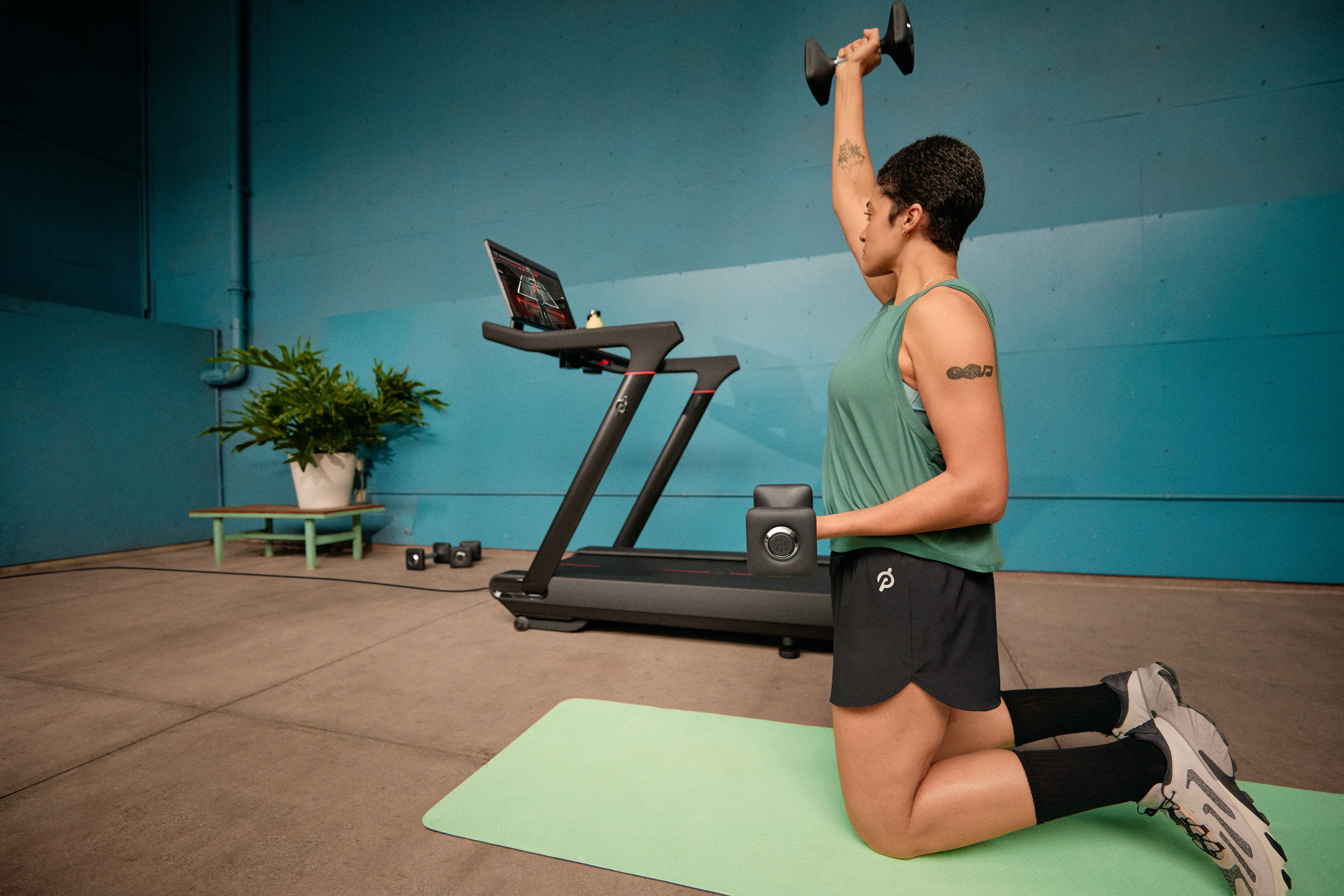
Another key element of hybrid training? Heavy resistance training. “You need to have strength training,” Robin says. “This will be compound exercises and big, key lifts, like squats, bench presses, and deadlifts, where you’re using several muscle groups simultaneously, in addition to accessory movements to hone in on specific muscle groups.” (For example, an accessory movement might be a biceps curl or triceps extension.)
Functional Training
Hybrid training is functional at its core—meaning it’ll simulate many of the movements you encounter in your daily life (and will make you stronger at doing them), says Robin. “Think kettlebell swings, box jumps, and farmer’s carries,” she explains. A farmer’s carry, for example, might simulate an extra-long walk home from the grocery store with heavy bags, while a box jump helps boost the muscles associated with climbing up stairs.
Many of these moves will get your heart rate up in addition to building strength, embodying the cardio-strength mix that’s signature of hybrid training. “I think that functional training is a key aspect and differentiator, making hybrid training more than just mixing up a whole bunch of stuff together,” Robin says.
Flexibility and Mobility
Flexibility and mobility exercises are also essential for hybrid workouts, Robin adds. Maintaining and improving your range of motion is crucial to moving well during all the types of movements listed above. For instance, as part of a workout warm-up, you might perform a series of dynamic stretches and balance exercises that mimic the movement patterns you’ll do in a cardio or strength workout (say, lunges before sprints on the treadmill).
Rest and Recovery
To reap the benefits of hybrid-style workouts, you also need to give your muscles plenty of time to recover—especially when you’re going all-out in intensity. Be sure to incorporate at least one rest day or active recovery day into your schedule each week.
How to Get Started with Hybrid Training
As with any new style of workout, it’s important to do a quick gut-check first. Robin notes that hybrid training can be pretty intense, so if you’re recovering from an injury or have a health condition, it’s a good idea to chat with your doctor before getting started. Here are a few ways to kick up your hybrid training routine.
1. Identify Your Goals
Step one in starting hybrid training, Robin says, is to assess your wants and needs. “For someone considering hybrid training, you want to set your goals,” she notes. For example, if you want to train for a HYROX event, your training should mimic the type of exercises you’ll see in the event. Alternatively, if you want to improve your 10K race time, you might develop a hybrid routine with resistance moves that’ll boost strength in the muscles you use while running, including your quads, glutes, and hamstrings.
2. Set a Schedule
Robin follows a hybrid training schedule with six days in the gym and one rest day (though she says four to five days is pretty standard). She recommends dedicating a few days a week to compound lifts (like bench presses, deadlifts, and squats) with some functional fitness moves woven in (like box squats or farmer’s carries). On those same days, Robin says, you should also do about 15 minutes of metabolic conditioning exercises, like wall balls, sled pushes, or burpees—“anything to get your heart rate up,” she explains.
Then, Robin says, you can dedicate the remaining days (aside from recovery) to cardio-dominant workouts, such as a run, ride, or row, or cardio that also has a strength element, like a bootcamp workout. “I really like a three-three split,” she notes. Here’s what that could look like in practice:
Monday: Heavy strength work and metcon
Tuesday: Cardio or bootcamp
Wednesday: Heavy strength work and metcon
Thursday: Cardio or bootcamp
Friday: Heavy strength work and metcon
Saturday: Cardio or bootcamp
Sunday: Rest
The key is to focus on progressive overload for all of your workouts. “Progressive overload is just a concept that means little by little, you're going to be adding some intensity or some resistance,” Robin explains. For example, she says, with a strength-focused progressive overload, you’ll increase your weights week by week over a set period of time. “Progressive overload in running would be getting faster or having intervals be longer or more intense by some measure,” Robin adds.
3. Try Not to Overtrain
As Robin emphasizes, when it comes to hybrid training, you can have too much of a good thing. “One of the potential drawbacks of hybrid training is overtraining and not giving your body enough time to rest,” she explains.
The key is starting small and building up. “Find four days out of the week you’re going to commit to working out,” Robin recommends. “The bottom of the pyramid is going to be strength training. It is important that you're getting in that functional fitness and your compound lifts.”
Then, when you’re “in a groove,” add in that third strength day and layer in cardio sessions, Robin says. “It's super important to notice how your body is reacting to different workouts.”
Also, don’t forget that you won’t gain a single physiological benefit from hybrid training if you’re not eating and sleeping properly. “Sleep and making sure that you're fueling enough for multiple workouts are important,” Robin says.
How to Try Hybrid Training with Peloton
If you’re looking to base your workout routine around hybrid training, Peloton has you covered. Here are classes and Peloton offerings that fit the bill for each workout type you’ll want to incorporate into your training.
Strength: There are thousands of strength classes available, including full body and muscle group–specific routines, ranging from five to 60 minutes. You’ll find options using dumbbells, kettlebells, resistance bands, and bodyweight. To train with other equipment, such as barbells, take a look at the Peloton Strength+ app, which offers strength programming for any variation of equipment, including a fully-stocked gym.
Functional training: Try Kettlebell Strength & Conditioning classes, or pull up the Peloton Strength+ app to generate and customize a workout full of functional metcon moves. Many Peloton strength classes also incorporate plenty of functional training exercises.
Cardio: Stick with strictly cardio by cueing up any cycling, rowing, or running workout (on the treadmill or outdoors). Or, to combine strength and cardio in one session, try a Bike Bootcamp, Tread Bootcamp, or Row Bootcamp, or a HIIT Cardio class with weights.
Flexibility and Mobility: Find several styles of yoga, stretching, and mobility classes ranging from five to 75 minutes.
For a more guided approach, commit to an instructor-led workout program that combines strength and cardio in either the Peloton App or Peloton Strength+.
Try a Hybrid Training Workout with Peloton


This content is for informational and educational purposes only and does not constitute individualized advice. It is not intended to replace professional medical evaluation, diagnosis, or treatment. Seek the advice of your physician for questions you may have regarding your health or a medical condition. If you are having a medical emergency, call your physician or 911 immediately.

Level up your inbox.
Subscribe for a weekly dose of fitness, plus the latest promos, launches, and events.
By providing your email address, you agree to receive marketing communications from Peloton.
For more about how we use your information, see our Privacy Policy.